Quality Control
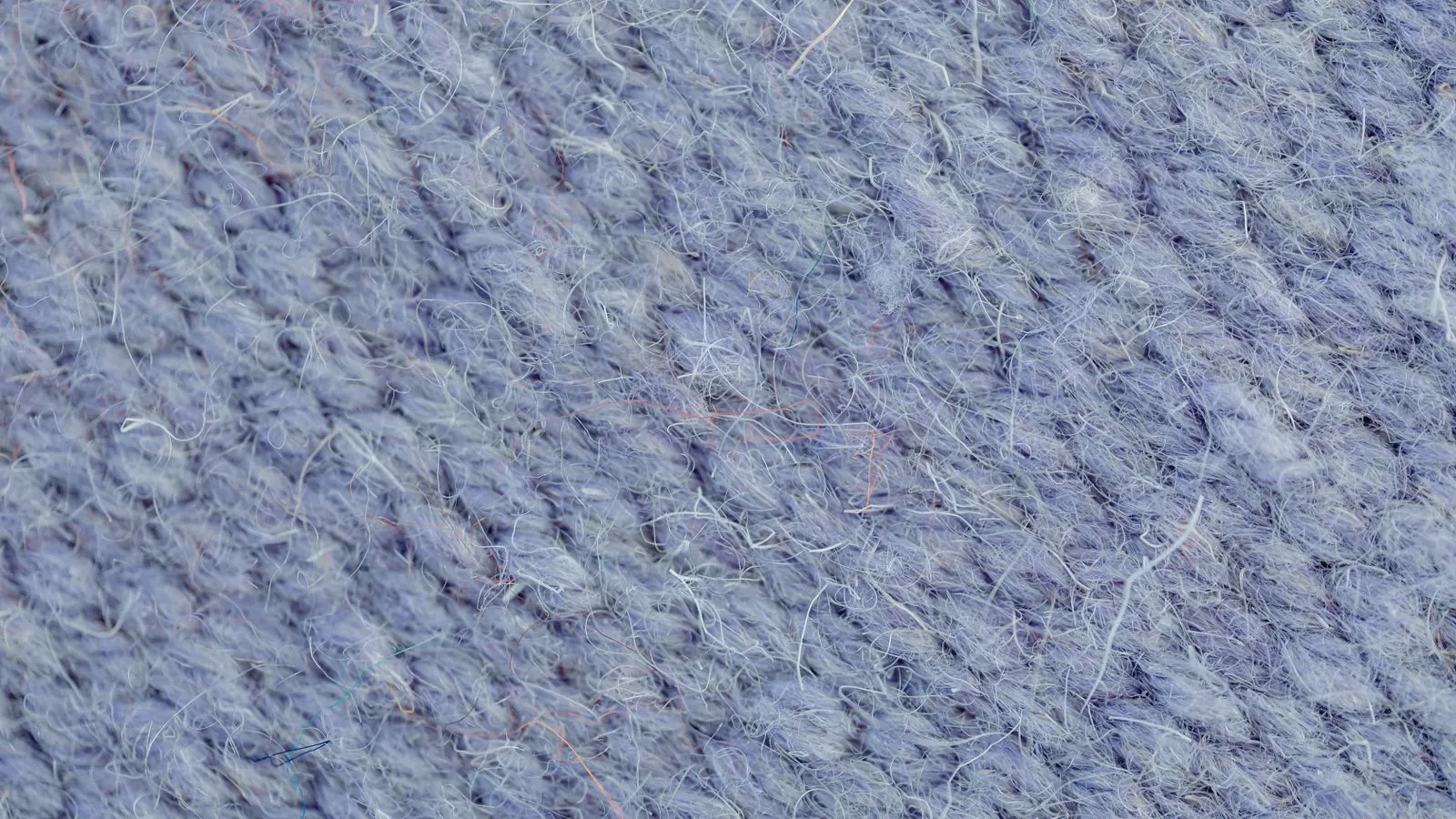
Troubleshooting: Fixing Pilling and Snags in Knits
Pilling and snags are common knit defects caused by fiber friction, loose loops, or poor yarn quality. This guide lists symptoms, identifies likely causes, and provides
Learn practical quality control methods, inspection checklists, defect classification, and ways to reduce rework and returns.
Pilling and snags are common knit defects caused by fiber friction, loose loops, or poor yarn quality. This guide lists symptoms, identifies likely causes, and provides

This inspection checklist identifies the fifteen most common garment defects buyers and engineers must check. It covers construction, fabric, trim, and finish issues
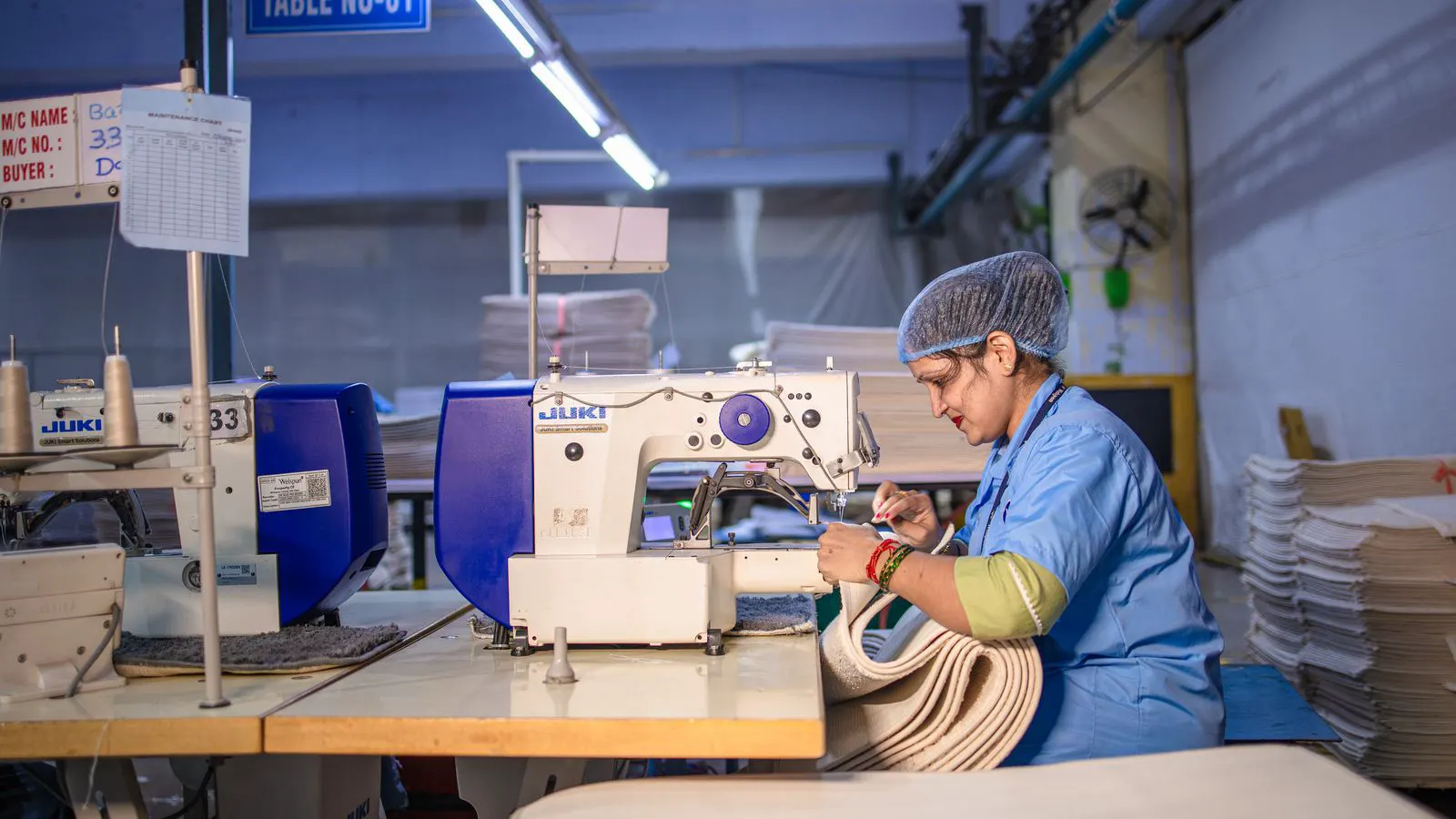
Pre-shipment quality control costs more upfront but reduces late-stage rework and expedited shipping. Post-shipment checks are cheaper but add time to customs and
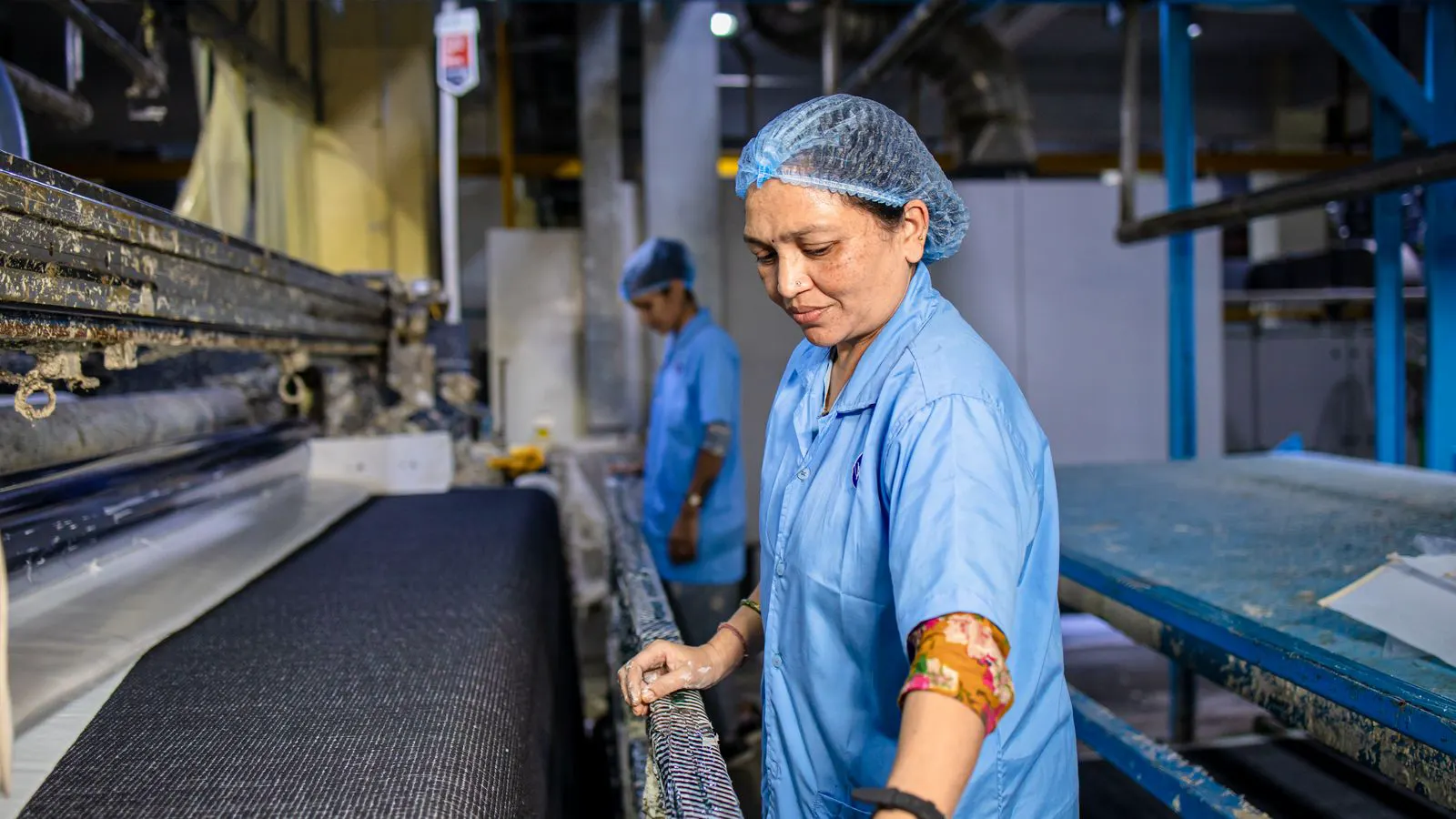
Seam allowance controls stitch placement, garment fit, and shrinkage. When it is too tight or too loose, it creates seam defects, uneven hems, and size inconsistency.
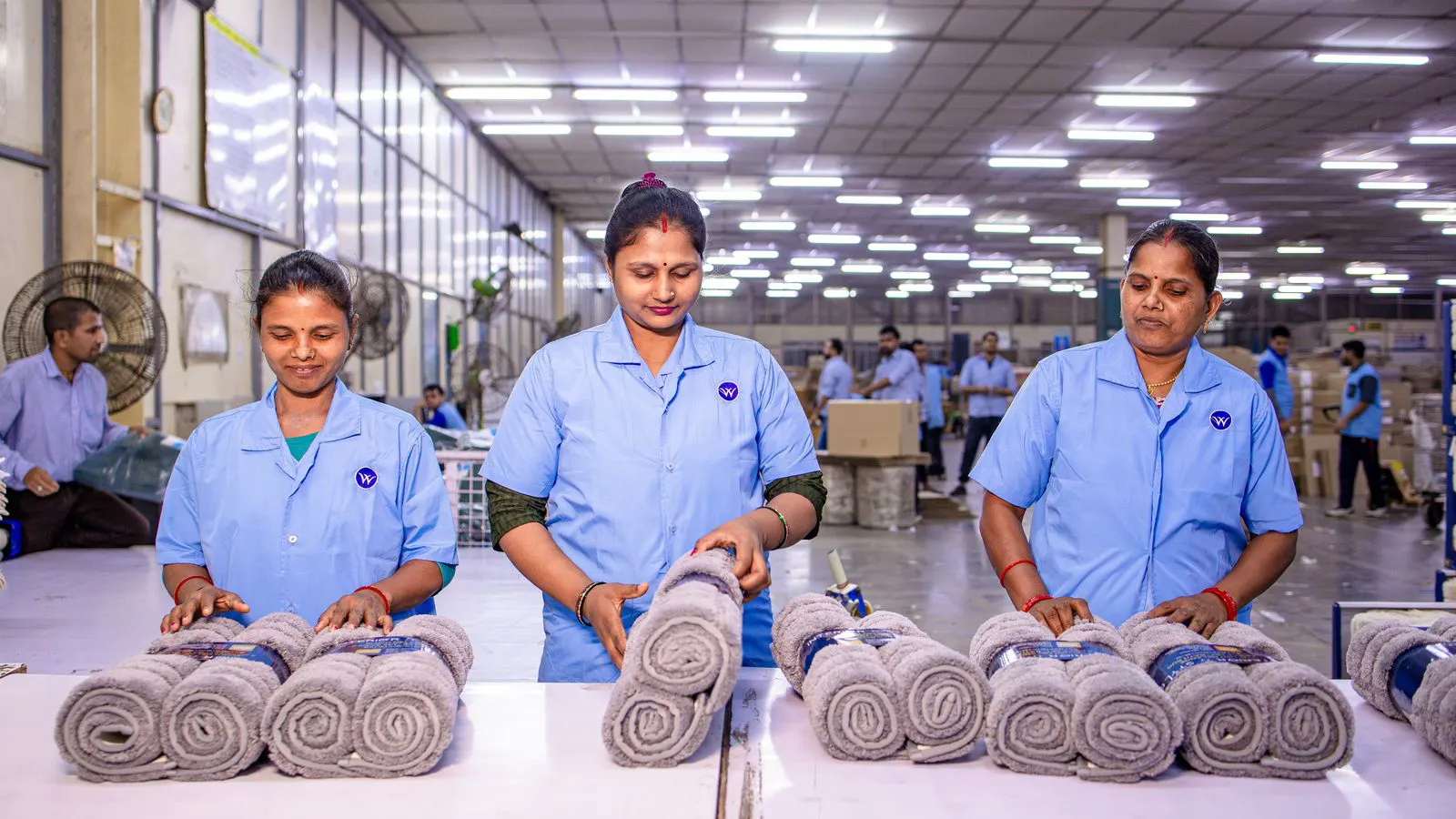
Selecting a QC inspection provider requires checking audit scope, reporting speed, staff credentials, and digital traceability. Compare providers against your risk

To build a pre-shipment inspection checklist, start with the technical pack and define measurable acceptance criteria. Break the garment into components, assign

AQL uses sampling to judge finished goods, while SPC monitors production in real time. Sampling works for final acceptance, but process control catches defects earlier.

AI inspection is moving from a pilot phase to a standard planning requirement in apparel quality control. Buyers must update supplier audit schedules, restructure data