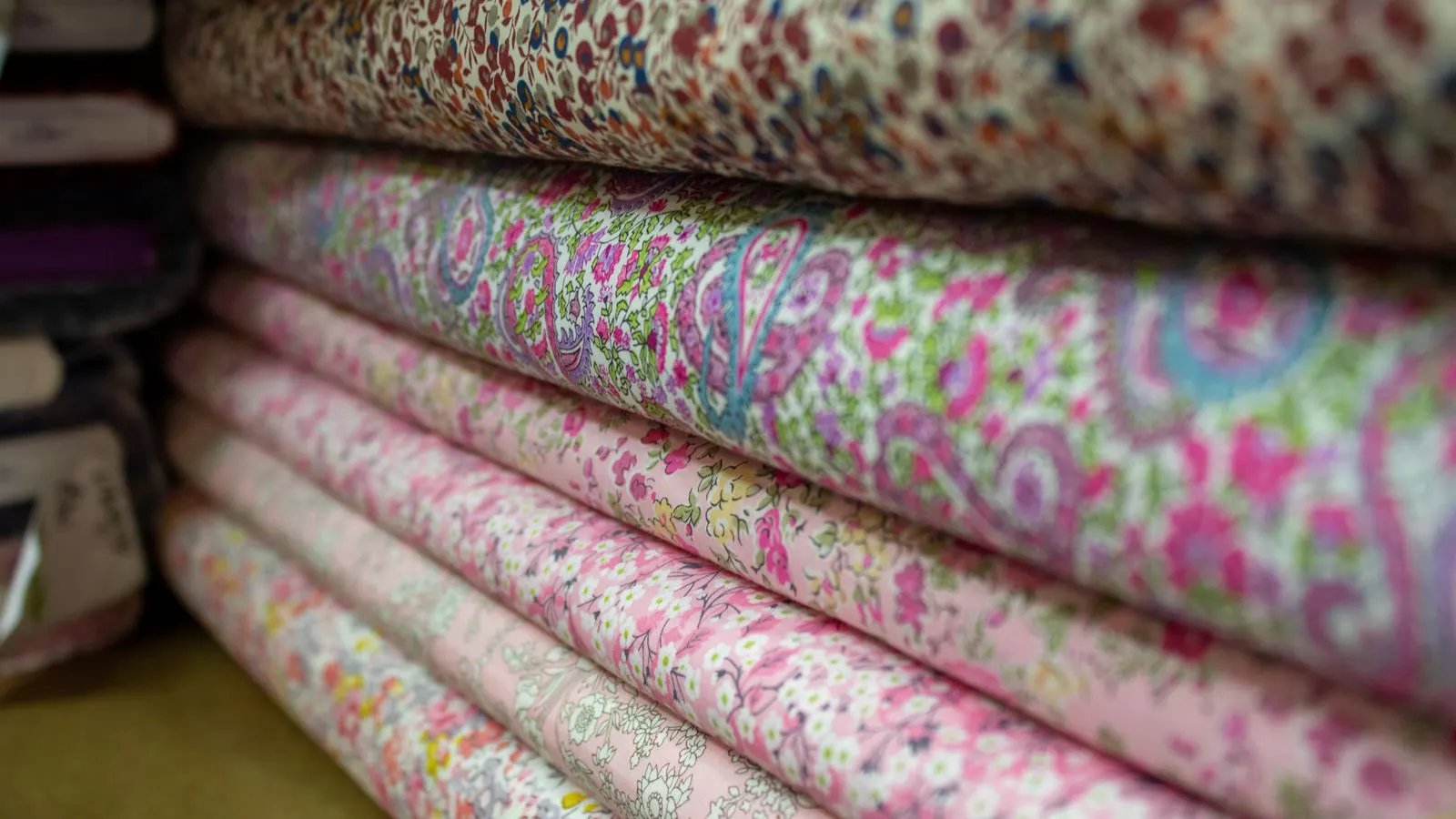
Fabric Sourcing
Troubleshooting Fabric Shrinkage and Color Bleeding
Fabric shrinkage and color bleeding stem from fiber instability, dye fixation, and inconsistent washing. Fix defects by testing samples under use conditions, verifying
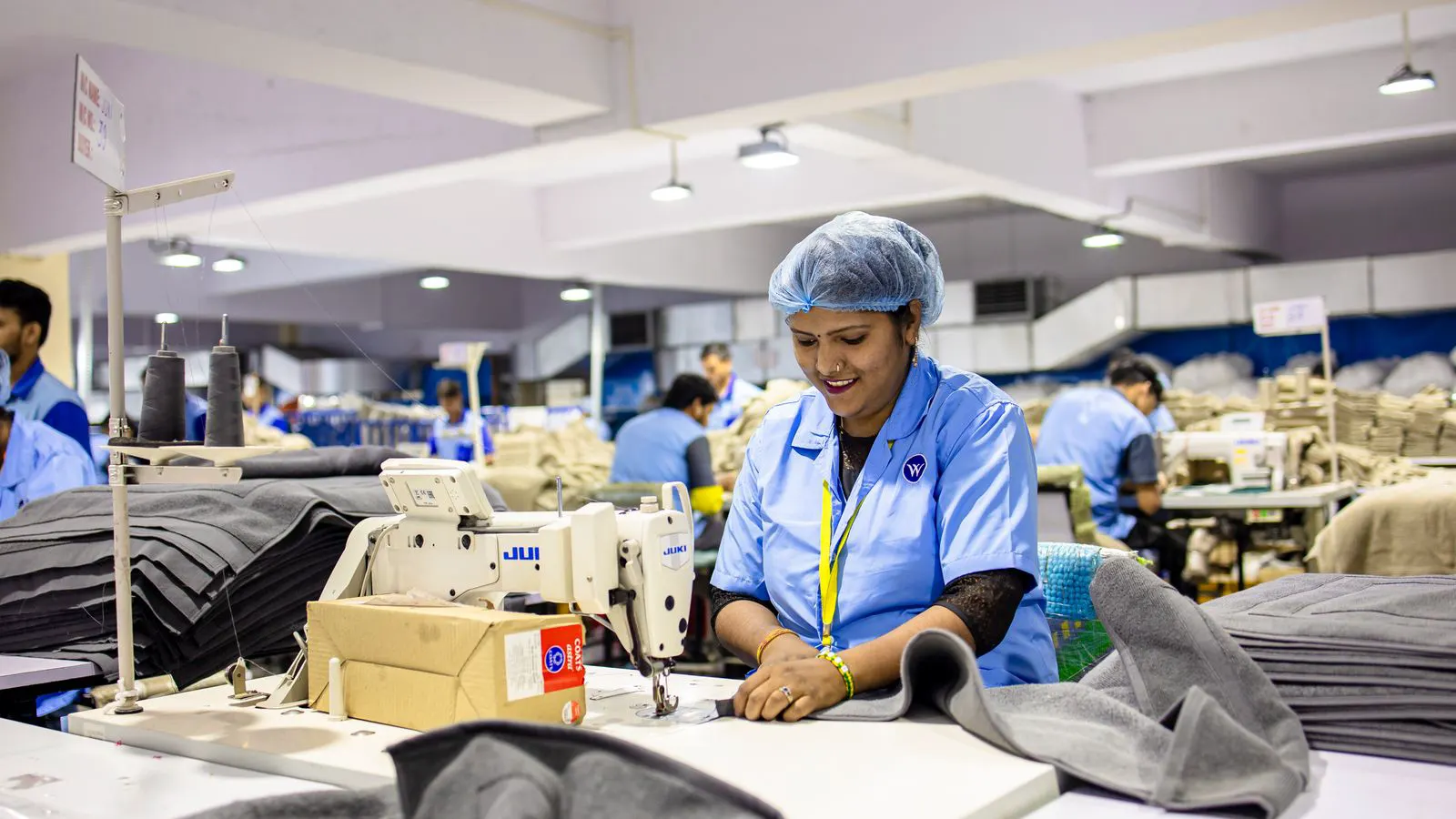
Practical apparel manufacturing knowledge for buyers and engineers
This site covers the working details of apparel production. It explains how to build a tech pack, select a fabric, structure a sampling run, and manage a cut-and-sew line. The focus is on the documents, checks, and decisions buyers make during development and production.
Readers find clear explanations of how each stage affects cost, lead time, and quality. The content covers sourcing, quality control, compliance, and factory selection without vendor bias. It helps you prepare better briefs, ask sharper questions, and reduce rework.
Start with the stage of the sourcing process you are in.
Learn how to create clear tech packs, manage sample approvals, and avoid communication errors with overseas factories.
Discover how to source fabrics, evaluate suppliers, verify certifications, and manage lead times for apparel production.
Understand cut-and-sew operations, production planning, line balancing, and how to monitor factory capacity and quality.
Learn practical quality control methods, inspection checklists, defect classification, and ways to reduce rework and returns.
See what compliance standards matter in apparel, how social audits work, and how to prepare factories for buyer requirements.
Find practical guidance on pricing factors, minimum order quantities, landed cost, and how to negotiate with apparel factories.
Get a step-by-step approach to evaluating factories, comparing capabilities, and selecting reliable apparel manufacturing partners.
Fabric shrinkage and color bleeding stem from fiber instability, dye fixation, and inconsistent washing. Fix defects by testing samples under use conditions, verifying
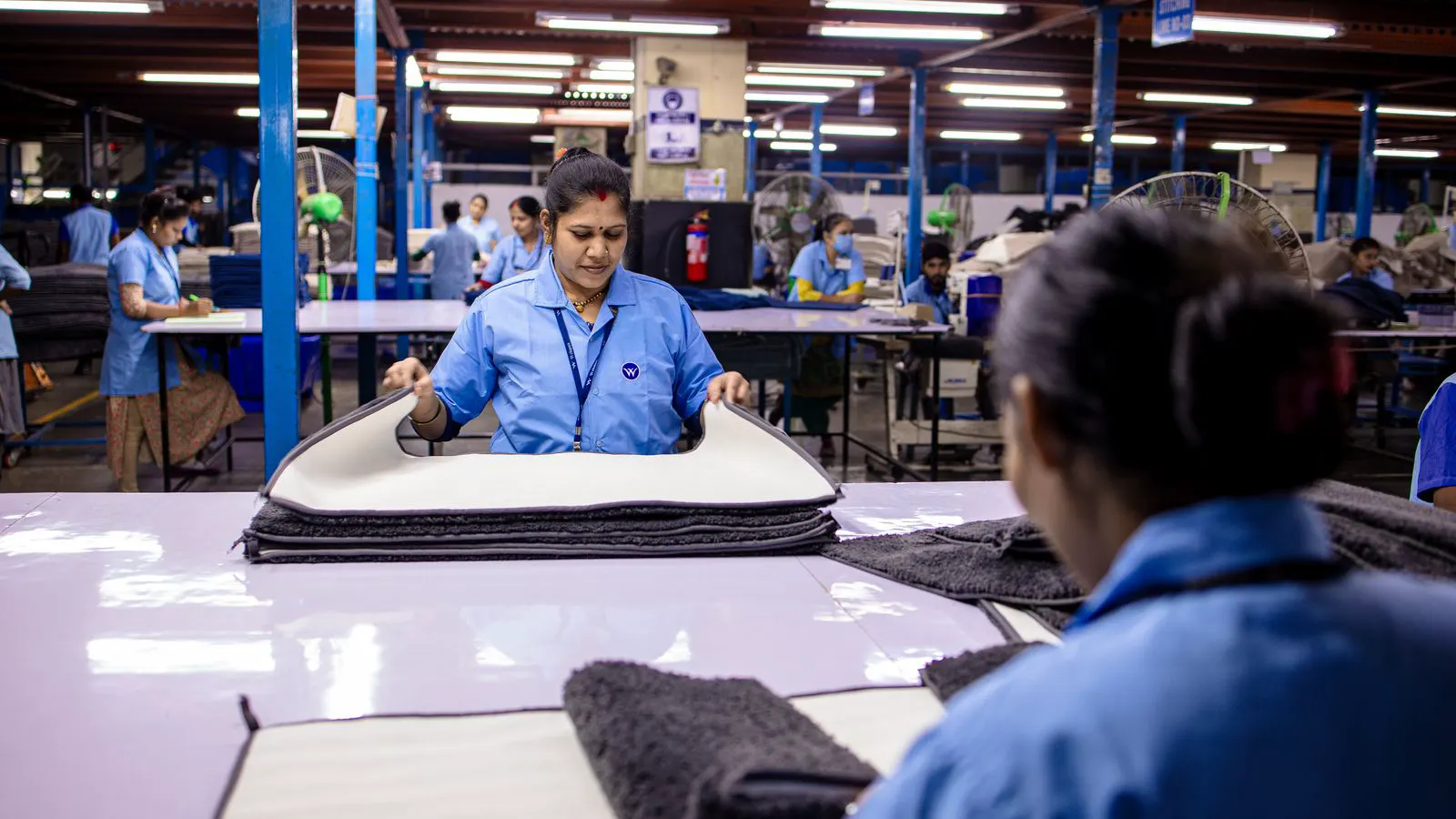
Brands must choose between controlling a sewing line in-house or outsourcing to a garment factory. Each model changes cost structure, lead time, quality control, and
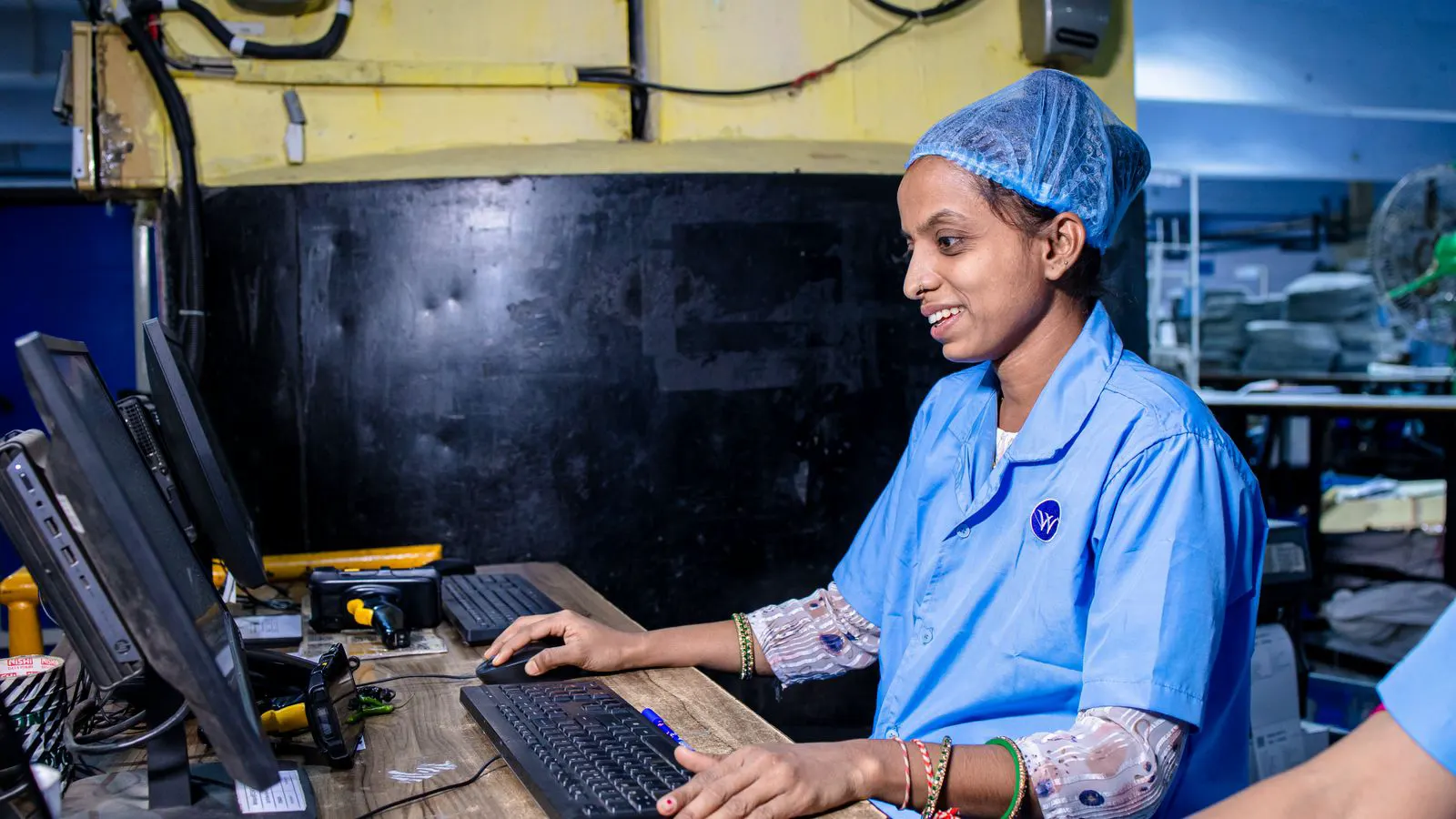
Wage theft hides in overtime, deductions, and wage rates. This guide explains how to spot payroll gaps during a social audit, verify labor compliance, and implement
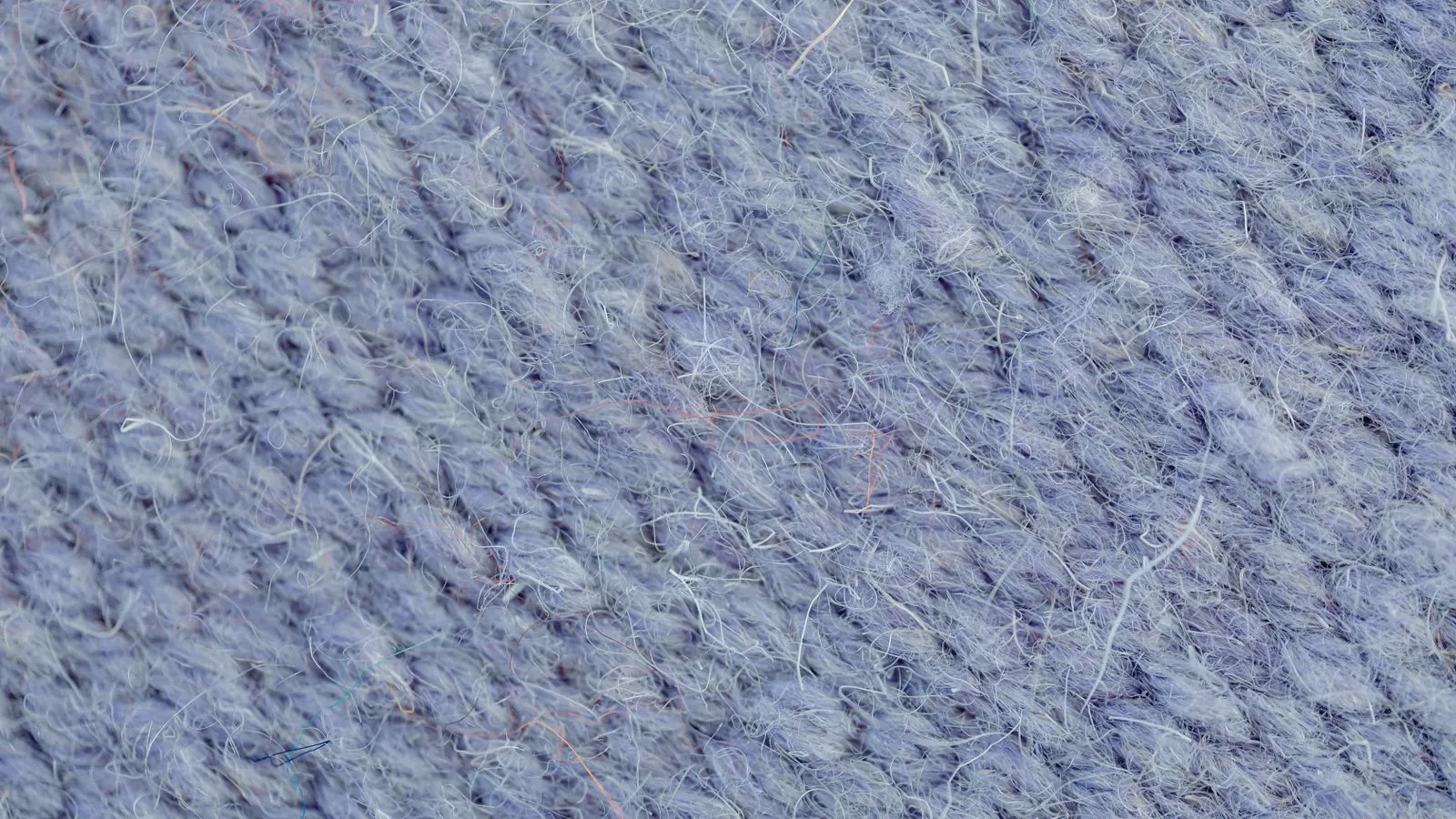
Pilling and snags are common knit defects caused by fiber friction, loose loops, or poor yarn quality. This guide lists symptoms, identifies likely causes, and provides
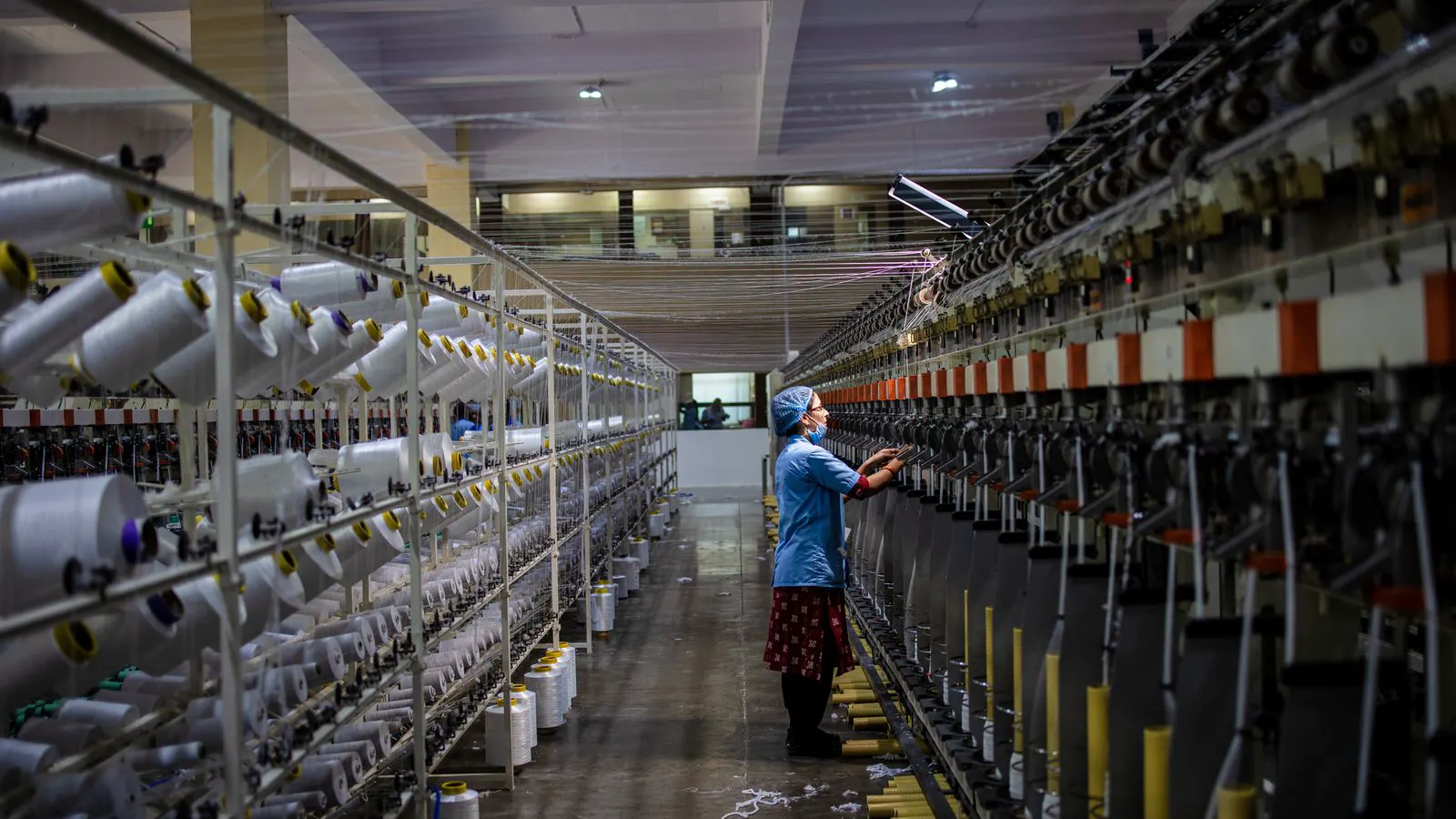
A fabric mill is a facility that converts raw fibers into finished fabric using spinning, weaving, or knitting machines. It is the central production node in apparel
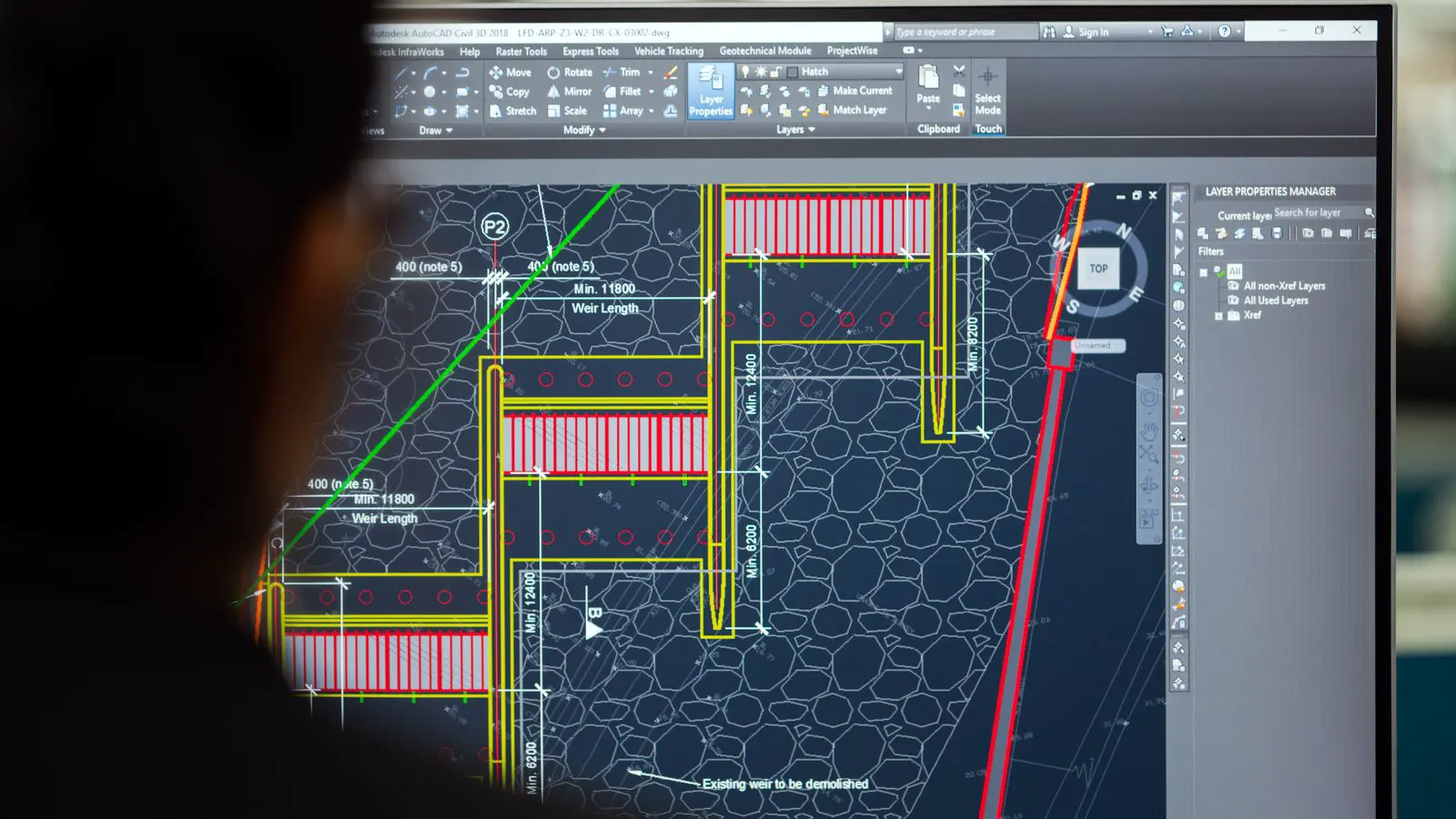
Digital sampling changes MOQs by moving design validation from physical samples to virtual environments. This reduces material waste and rework, allowing factories to
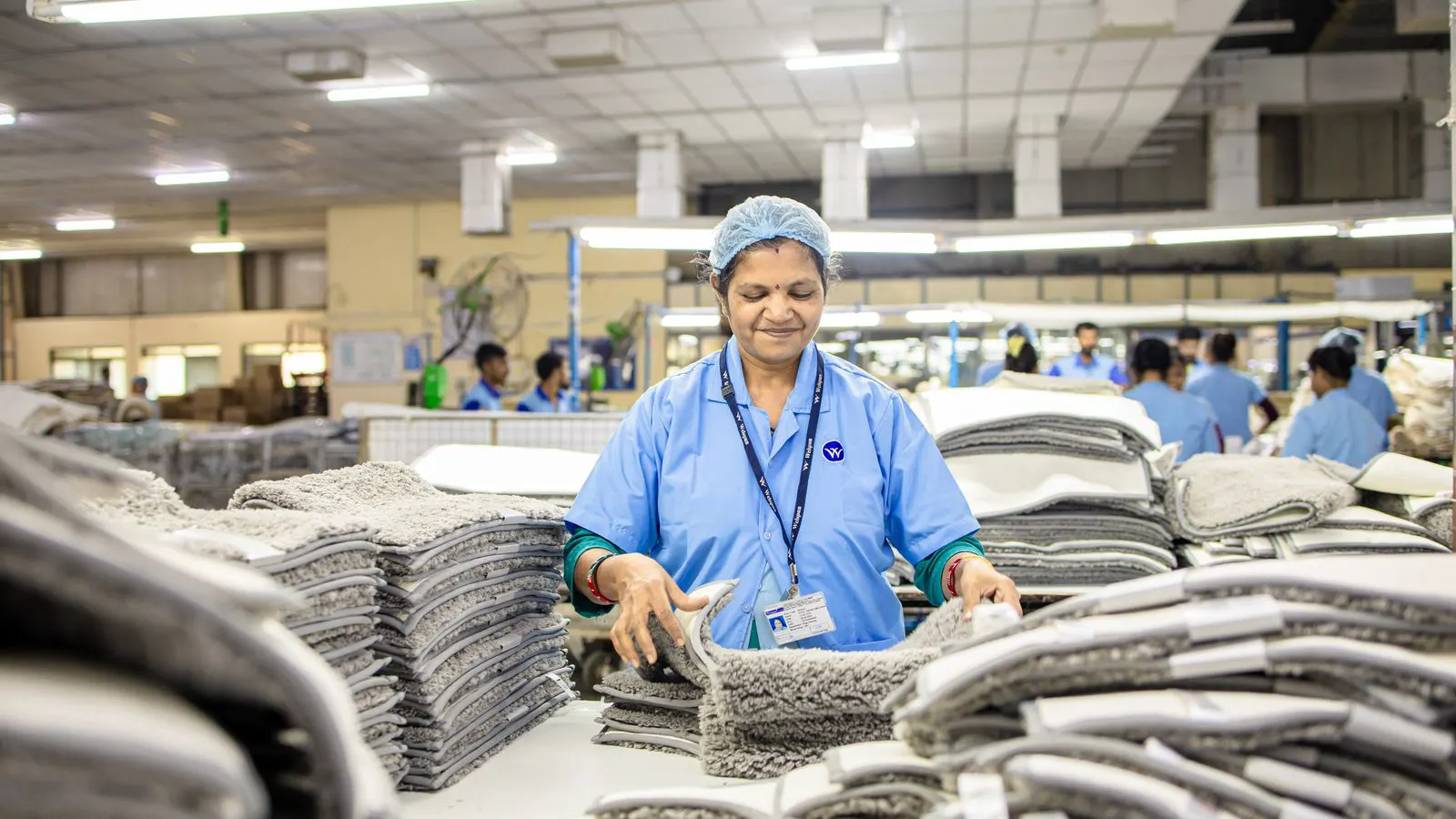
This inspection checklist identifies the fifteen most common garment defects buyers and engineers must check. It covers construction, fabric, trim, and finish issues
Apparel compliance is moving from periodic checks to continuous, digital systems. Buyers are expecting live data, transparent remediation, and factory compliance plans

To determine total import expenses, add product cost, freight, insurance, duties, and handling. This guide outlines the specific variables, document checks, and
A tech pack is the detailed specification for a garment. It includes measurements, fabric calls, trims, stitching details, and construction notes. A clear tech pack reduces sampling errors and limits rework during production.
Most buyers run a sample sequence: a development sample, a fit sample, and a pre-production sample. The number depends on complexity, fabric behavior, and how much tolerance you allow in the first run.
Look for defect counts by category, pass rate, and photos of representative issues. A useful report separates minor and major defects and shows where problems occurred in the production line.
Review the factory's audit reports from recognized bodies. Check the scope of the audit, the date, and any corrective actions. A current report from a third-party auditor is more reliable than a verbal assurance.
Fabric type and quantity, labor content, trims, and production volume are the main cost drivers. A small change in fabric weight or trim specification can shift the unit price significantly.
Match the factory's capability to your style. Check their construction experience with your fabric and details, review past work, and confirm capacity, lead time, and QC process before committing to a sample run.