Troubleshooting: Fixing Pilling and Snags in Knits
Pilling and snags are common knit defects caused by fiber friction, loose loops, or poor yarn quality. This guide lists symptoms, identifies likely causes, and provides specific fixes and prevention tips for garment QC teams.
- Pilling in knits usually comes from fiber friction or loose yarn twists, not just wear.
- Snags are often caused by loose loops, sharp edges, or inadequate tension during knitting.
- A structured inspection and yarn-level checks reduce defect rates more than post-sewing fixes.
- Documenting defect patterns helps suppliers correct the process rather than just rework items.
- Prevention at the yarn and knitting stages costs less than cutting or sewing rework.
Pilling and snags are among the most visible defects in knitted garments. They show up on sleeves, shoulders, cuffs, and high-friction areas long after a garment leaves the knitting machine. For buyers and QC engineers, these defects are easy to spot but harder to trace back to the source.
This guide walks through the symptoms, likely causes, and practical fixes. It also covers prevention at the yarn, knitting, and finishing levels.
What pilling looks like and why it happens
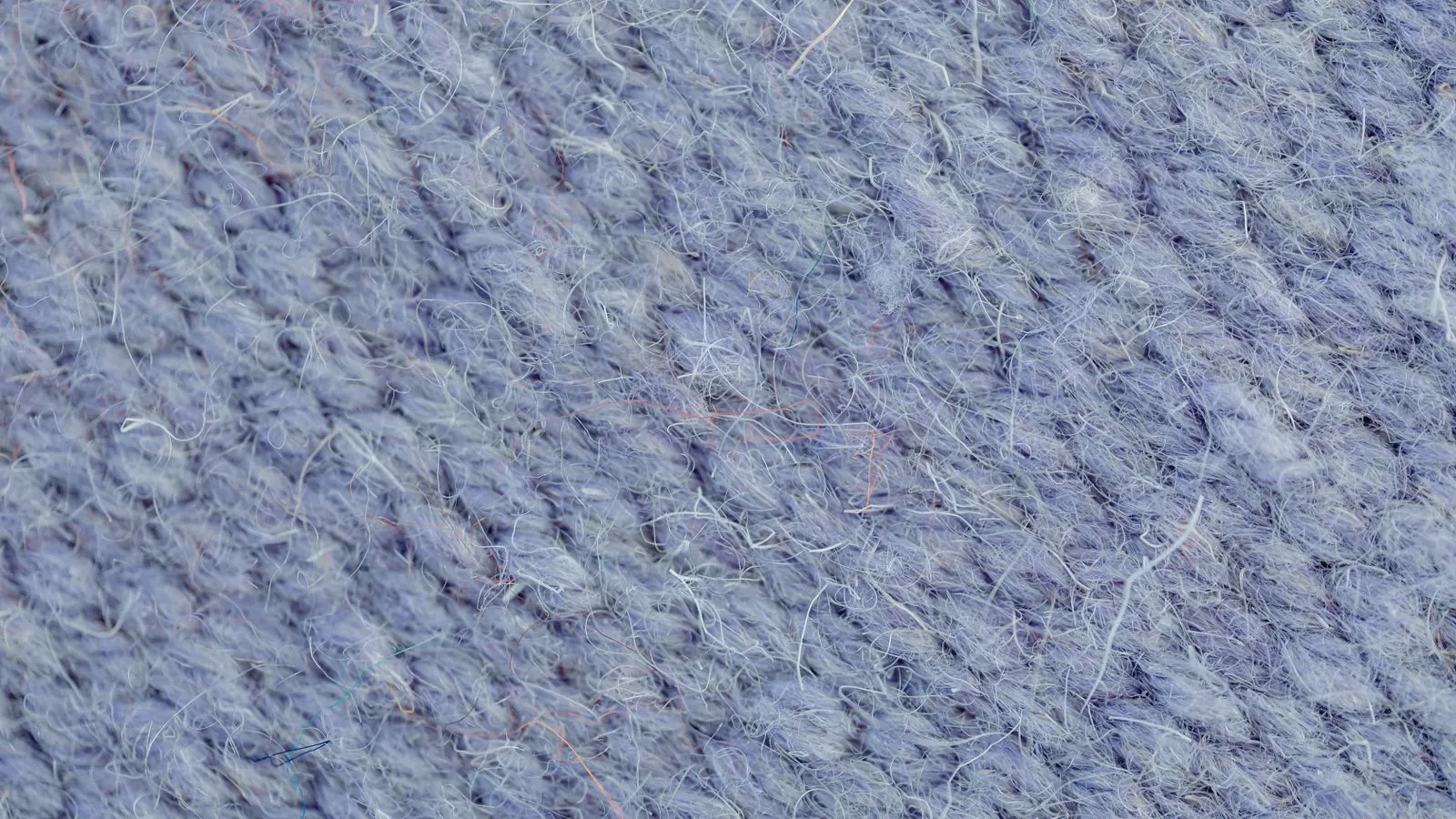
Pilling is a small cluster of fibers that have been pulled from the fabric surface and twisted together by friction. In knits, it appears as a fuzzy bump or a small ball on the fabric.
It is different from a snag. A snag is a single thread or group of threads pulled or cut from the fabric, often leaving a hole or a raised loop. Pilling is surface-level fuzz. A snag is a structural break.
Pilling becomes more likely when the outer fibers of a yarn are not held firmly by the core. It also happens when the yarn twist is low or when the fabric is knit with loose tension. Dark colors show pilling faster than light colors, so it is often a visibility issue as much as a quality issue.
What snags look like and why they happen
Snags in knits are pulled threads, broken loops, or small holes. They can appear as a single thin line, a raised loop, or a gap in the fabric.
Snags are more common in open-knit structures, fine yarns, and garments with sharp details. A raised collar, a zipper pull, or a rough seam can pull a thread during wear or handling. In the factory, snags can happen during cutting, sewing, pressing, or folding.
A snag is usually easier to repair than a pilled area if it is small. A pilled area is harder to fix without removing the fiber clump and blending the surface.
Troubleshooting table: symptoms, causes, and fixes
The table below lists the most common symptoms, likely causes, and fixes. Use it during line inspection, pre-shipment inspection, or when reviewing supplier reports.
| Symptom | Likely cause | What to do |
| Pilling on elbows, shoulders, or cuffs | High friction areas with loose outer fibers; low yarn twist | Check yarn twist and fiber blend. Ask the knitter to increase tension slightly. Use a pilling test on the fabric before cutting. |
| Pilling after washing | Fabric shrinkage pulled fibers; washing temperature too high | Confirm the wash care label. Ask the finisher to use a lower temperature or a softer cycle. Test a washed sample. |
| Pilling only on one side of the fabric | Uneven tension on the knitting machine; loose pick-up | Inspect machine tension settings. Check yarn feed for slippage. Replace worn tension discs or guides. |
| Single-thread snag on a seam | Sharp seam edge, rough zipper, or thread pulled during sewing | Smooth seams with a rounded iron foot. Check zipper sliders. Inspect operator handling. |
| Snag near a raised loop or pattern | Loose loop from the knitting machine; low needle tension | Adjust needle tension. Check needle condition. Look for bent needles. |
| Snag after folding or packing | Fabric dragged on rough surfaces; sharp edges in packaging | Use soft liners in cartons. Check folding stations for rough edges. |
| Pilling after a short period of wear | Fiber migration from a blended yarn; low twist | Review the yarn specification. Confirm the fiber content matches the approved sample. |
| Snag along a hem | Hem stitch pulled a thread; needle too close to the edge | Adjust hem stitch tension. Check the needle position on the sewing machine. |
Fixing pilling in finished garments
Pilling is not a defect that is usually fixed on the finished garment. If pilling is already visible, the practical fix is removal.
A pilling stone or a small electric pilling remover can take off the fiber clumps. Work gently. Press the tool against the fabric rather than dragging it. If the pilling is severe, the area may look thin or shiny after removal.
For a small number of items, a trained operator can use a fine needle to lift the pilled fibers and trim them. This is slow and not suitable for bulk. It is better to use the pilling stone method for most items.
If pilling appears after washing, the fix is usually to rewash and re-press the garment. This can reduce the fuzz that appears from shrinkage. If the pilling continues, the problem is in the yarn or the fabric structure, not the wash.
Fixing snags in finished garments
Snags are easier to fix than pilling, but only if they are small.
For a single pulled thread, a trained operator can use a fine needle to push the thread back into the fabric. This works best when the thread is not cut. If the thread is cut, the operator can splice a matching thread into the break.
For a small hole, a patch or a darning stitch may be needed. This is not ideal for visible garments. If the hole is on a dark knit, it may be possible to fill it with a fine match-colored thread.
If snags are widespread, do not fix them one by one. Stop the line or hold the lot. Snags at this level point to a machine, yarn, or handling problem. Fixing every item will not solve the root cause.
Prevention tips at the yarn stage
Most pilling and snag problems start with the yarn. If the yarn is weak or loosely twisted, no amount of machine adjustment will fully prevent the defect.
Check the yarn twist. A low twist makes the outer fibers easier to pull. Ask the yarn supplier to confirm the twist count and the fiber content. For pilling-sensitive garments, a higher twist is usually better, but it must still match the approved sample.
Check the fiber blend. Some blends pill more than others. A blend with a lot of short staple fiber, such as a low-quality cotton or a loose wool, is more prone to pilling. A tighter blend with long staple fibers or a synthetic core is usually more resistant.
Run a pilling test on a small sample. There are standard pilling test methods used in the industry. Ask the lab or the supplier to run the test before you approve the bulk yarn. This gives you a baseline.
Prevention tips at the knitting stage
The knitting machine settings matter as much as the yarn.
Check the tension. Too loose and the loops are large and easy to snag. Too tight and the fabric may pucker or break a thread. The goal is a balanced tension that holds the loop firmly without stressing the fiber.
Check the needles. Bent or worn needles can create uneven loops. A bent needle can pull a thread or leave a raised loop. Replace needles on a regular schedule.
Check the fabric structure. A fine, open knit is more fragile than a dense, tight knit. If the design allows, a slightly tighter stitch or a higher stitch density can reduce snags.
Check the yarn feed. If the yarn slips or feeds unevenly, the loop can be loose. Inspect the yarn guides and tension discs. Replace worn parts.
Prevention tips at the finishing and packing stage
Even a good knit can get snags if it is handled badly after knitting.
Check the cutting station. A sharp blade or a rough surface can pull threads. Keep blades clean and sharp. Use a cutting mat with a smooth surface.
Check the sewing station. A rough seam or a sharp zipper can snag a thread. Use a rounded iron foot for pressing. Smooth the seams before final inspection.
Check the folding and packing. Rough cartons, sharp corners, or uneven stacking can pull threads. Use soft liners. Pack garments flat or fold them gently.
How to track and reduce defects over time
Track pilling and snags by garment area and by defect type. Record the location on a simple map of the garment. Note the defect type: pilled, snagged, or both.
If pilling is mostly on elbows and shoulders, the problem is likely friction. If it is all over the fabric, the problem is likely the yarn or the wash. If snags are mostly on seams, the problem is likely the sewing or pressing. If they are on the body, the problem is likely the knitting machine.
Share this data with the supplier. A specific pattern is more useful than a general complaint. “Pilling on the cuff after one wash” tells the knitter and the finisher exactly where to look. “The fabric pills” tells them almost nothing.
Use this data to adjust the inspection plan. If a supplier has a high pilling rate, add a pilling check at the fabric stage. If snags are common after sewing, add a snag check at the sewing line.
Frequently asked questions
Can pilling be fixed on a finished garment?
Yes, small pilled areas can be removed with a pilling stone or a fine needle. The fix is cosmetic and does not restore the original fiber strength. If pilling is widespread, the yarn or fabric structure needs correction.
Are snags always a quality defect?
A single tiny snag may be acceptable under a loose AQL level, but a visible snag on a finished garment is usually a defect. It depends on the garment type and the buyer specification.
How do I tell if pilling is from wear or from the fabric?
If pilling appears before wear or in a small test sample, it is a fabric or yarn issue. If it appears only after repeated washing or friction, it may be a fiber migration or wash issue.
What is the best yarn for reducing pilling in knits?
A yarn with a high twist count and a tight fiber blend is usually more resistant to pilling. Long staple fibers and synthetic cores help hold the outer fibers in place.
Should I ask the supplier to run a pilling test?
Yes, for pilling-sensitive garments. A pilling test on a small sample before bulk production gives you a baseline and helps identify problems early.