QC Cost and Lead Time: Pre vs Post Shipment
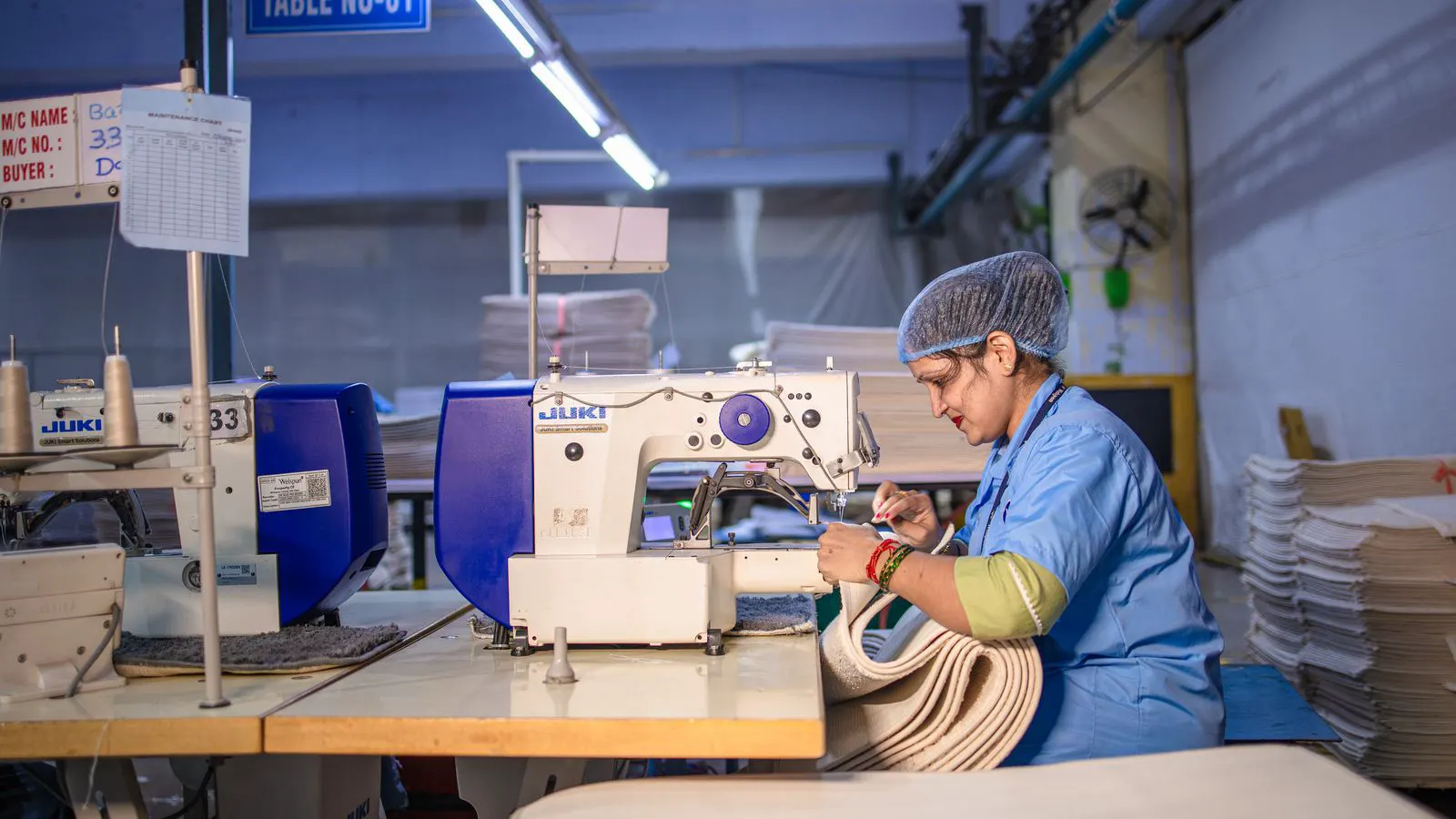
Pre-shipment quality control costs more upfront but reduces late-stage rework and expedited shipping. Post-shipment checks are cheaper but add time to customs and delivery. Choose based on product risk and your supplier's reliability history.
- Pre-shipment QC shifts cost to the production phase but protects your delivery window.
- Post-shipment QC is cheaper per unit but often triggers customs holds and late arrival.
- Use a hybrid model for high-risk items to balance cost and speed.
- Write clear inspection scope into your RFQ to compare vendor quotes fairly.
- Track defect rates by station to reduce repeat failures before final check.
Why the Timing of Your Inspection Matters
Quality control timing changes your cost structure. A pre-shipment inspection runs while the factory still controls the production schedule. A post-shipment inspection happens after the goods reach your port. Each stage carries different risks. The decision affects your total landed cost and your ability to hit retail dates.
You must weigh the price of catching defects early against the price of catching them late. Catching a fault during production often means a small rework cost. Catching it after customs clearance can mean a full refund, a return shipment, or a missed seasonal window. The factory has the tools to fix a loose seam or replace a wrong button. You do not. At the destination, you are paying for labor to sort, repackage, and potentially ship goods back across the ocean. The logistics chain is rigid. If the container has already cleared customs, moving it is expensive and slow.
The choice of timing also dictates the power dynamic in your relationship with the supplier. At the factory gate, you can direct repairs. On the dock, you are mostly negotiating penalties or absorbing losses. A delayed shipment can miss a critical retail window, such as a holiday sale or a fashion week launch. The cost of that delay is not just the shipping fee. It is lost revenue and potential penalties from your retailer.
How Pre-Shipment QC Changes Your Cost Profile
Pre-shipment quality control adds labor to your production phase. The inspector walks the line, checks measurements, and verifies fabric lot codes. You pay for that labor, the inspector travel, and possibly the factory overtime if the check reveals a systemic issue.
The cost per unit is higher than a basic post-shipment check. You are paying for expertise before the goods are packed. This stage also often includes a sampling review. You might check three units per style per color to confirm the production run matches the approved sample. For a run of 10,000 units, this might mean inspecting 300 pieces across multiple colors. The inspector measures chest width, sleeve length, and hem depth against the tech pack. They check for fabric pilling, color fastness, and correct placement of trims like zippers and labels.
The real value appears in the downstream savings. If the inspector finds loose stitching on a seam, the factory fixes it in the same production run. You avoid paying for rework at the destination. You also avoid the stress of sorting defective items in a warehouse. The factory workers can re-stitch the garment on the spot. The cost is a few minutes of machine time. The cost of fixing it later is a truckload of labor to open boxes, find the bad items, and fix them.
For complex garments, such as those with multiple trims or intricate embroidery, pre-shipment checks are standard. The complexity creates a higher defect risk. A jacket with a waterproof membrane, a zipper, a hood, and four buttonholes has many potential failure points. The cost of a qualified inspector at this stage is justified. The inspector needs to test the zipper function, check the membrane stitching, and verify the embroidery thread tension.
There are hidden costs to consider. If the inspection reveals a systemic issue, such as a fabric lot that is too short, the factory may need to stop the line. This can delay the shipment. You must build this time into your schedule. If the factory refuses to fix the issue, you may need to reject the lot. This requires a clear contract clause defining the rejection process and who bears the cost.
How Post-Shipment QC Affects Lead Time
Post-shipment quality control is usually faster and cheaper per unit. You can send a local inspector to the destination warehouse. The labor rates are often lower in many regions. The check happens after the goods are already in transit or at the port.
The lead time impact is where the risk lies. Customs clearance depends on accurate documentation. If your post-shipment check finds a quality issue, you may need to open containers, sort goods, and repackage. This delays your warehouse intake. You must arrange for a forklift to move pallets, hire workers to open boxes, and find new packaging for the good items. The container may be blocked in the port while you sort through the goods.
In many cases, the container has already cleared customs. You cannot easily send goods back to the factory without paying for a return shipment. The factory may also be in the middle of the next production run. They cannot pause to fix a minor issue. If you need to return goods, you are paying for ocean freight both ways. The goods sit in a warehouse in the factory country. The factory may charge a storage fee if the return takes too long.
For simple garments with a reliable factory, post-shipment QC is common. The risk is low. The goods are basic tees or plain knits with minimal trim. A simple count and spot check often suffice. You verify that the quantity matches the bill of lading and that the labels are correct. You might check the color of ten random pieces to ensure the shade matches the approved swatch.
The key risk here is that the defect may have occurred in transit. A box can be crushed in a container, causing stains or wrinkles on the garments. A post-shipment check can distinguish between factory defects and transit damage. This distinction is critical for claims. If the damage happened in transit, you can claim it against the shipping carrier or your cargo insurance. If it happened in the factory, you must deal with the supplier.
A Clear RFQ for Fair Quote Comparison
To compare quality control quotes fairly, your RFQ must be specific. Do not ask for a “full inspection” without defining the scope. Different vendors interpret this phrase in different ways. One vendor might include a function test for buttons. Another might only check the visual appearance.
Your request should state the number of styles, colors, and quantities. Include the AQL level you require. Specify the checks you need. Do you want a measurement report? A fabric inspection? A trim and label verification? A function test for zippers and buttons? A check for color fastness?
You should also define the sampling plan. Do you want the inspector to pull items from across the production run, or only from the first and last boxes? This detail changes the labor time and the cost. A random sample from the entire production run gives a better picture of quality than checking only the beginning and end. However, it takes longer. You must decide how much risk you are willing to take.
Ask vendors for their labor rate per hour and their travel or logistics fee. A low per-unit price might hide a high travel charge. A high per-unit price might include a detailed report with photos and a defect log. Ask for a sample report. Look at the level of detail. Does it include photos of each defect? Does it categorize the defect by type? Does it provide a summary of the overall quality status?
You should also ask about the inspection timeline. How long will it take to complete the inspection? How long will it take to receive the report? For pre-shipment inspections, the report must be available before the container is loaded. For post-shipment inspections, the report should be available before the goods are released from the warehouse.
How to Build a Cost Driver Table for QC
A simple table helps you see where money goes. The table below lists the main factors that affect quality control pricing.
| Cost Driver | Description | Impact on Price |
|---|---|---|
| Inspection Scope | Number of checks and tests required | More checks mean higher labor cost |
| Sample Size | Number of units selected for review | Larger samples increase labor time |
| Travel and Logistics | Airfare, hotel, and ground transport | Adds fixed cost per engagement |
| Location | Local vs. factory site visit | Factory visits often cost more |
| Report Complexity | Detailed photos, defect logs, and metrics | Adds post-inspection labor time |
| Defect Handling | Cost to rework or reject items | Can trigger factory overtime or penalties |
Use this table when reviewing bids. Ask each vendor to break down their quote by these categories. This removes ambiguity and lets you compare apples to apples. If one vendor charges a higher labor rate but a lower travel fee, the total cost might be similar. If another vendor charges a lower labor rate but a higher travel fee, the total cost might be higher.
The sample size is a critical cost driver. A large production run requires a larger sample to be statistically significant. However, you do not need to inspect every unit. You need to inspect enough units to determine if the quality is acceptable. A standard AQL level, such as AQL 2.5, defines the acceptable defect rate. You must follow the sampling plan defined by that level.
The report complexity also affects the cost. A basic report might just state the number of defects. A detailed report will include photos, descriptions of each defect, and a recommendation for corrective action. The detailed report takes more time to prepare. It is more useful for you. You can share it with the factory. You can use it to track quality trends over time.
Lead Time Risks and How to Mitigate Them
Lead time risk is the hidden cost of poor quality control timing. A delay of three days at the port can delay your entire retail launch. The cost of that delay is not just lost sales. It is also expedited shipping, overtime labor in the warehouse, and potential penalties from your retailer.
To mitigate this risk, build a buffer into your schedule. Do not schedule your QC check for the same day the container arrives. Give your team at least one to two days to process the results. You must allow time for the inspector to complete the check, for the report to be reviewed, and for any decisions to be made.
If you choose pre-shipment QC, build a rework buffer into the factory schedule. Tell the factory that if defects are found, they must fix them within a set number of days. This keeps the container on time. You must be clear about the deadline. If the factory cannot fix the defects in time, you must have a plan. You may need to reject the shipment or negotiate a discount.
For post-shipment QC, check your insurance policy. Some policies cover the cost of rework or return shipment if you can prove the defect existed before arrival. Read the terms carefully before you ship. You may need to provide documentation, such as photos of the goods at the factory, to prove the defect existed before transit.
You should also monitor the shipment in real time. Use tracking systems to follow the container. If there is a delay at a port, you can adjust your warehouse schedule. You can arrange for extra labor to process the goods when they arrive. You can notify your retailers of the delay. This reduces the impact of the delay.
When to Use a Hybrid Approach
A hybrid approach combines pre and post-shipment checks. You do a quick check at the factory and a detailed check at the destination. This works well for high-value items or new suppliers.
The factory check ensures the bulk of the goods are correct. The destination check catches any damage that occurred in transit. The cost is higher than either method alone. The risk is lower. You get two chances to catch defects. If the factory check finds an issue, you fix it before shipping. If the destination check finds an issue, you can claim it against the carrier or the factory.
For established suppliers with a clean history, you can reduce the scope of the pre-shipment check. You might only check the measurements and the labels. You save money on labor and travel. You trust the factory to maintain quality. However, you must monitor the factory’s performance over time. If the quality drops, you must increase the inspection scope.
For new suppliers or complex designs, keep the pre-shipment check robust. The cost is an investment in confidence. You want to know the goods are correct before you commit to a large shipment. You do not want to pay for shipping goods that you have to return. A pre-shipment check can save you significant money and time.
Final Thoughts on QC Budgeting
Your quality control budget should reflect your risk profile. High-risk items need more upfront inspection. Low-risk items can rely more on post-shipment checks.
Review your cost and lead time data after each season. Track where defects were found. Track how many shipments were delayed. Use this data to adjust your QC strategy. If you find that most defects are caught at the destination, you need to improve your pre-shipment checks. If you find that most delays are due to transit damage, you need to improve your packaging and shipping process.
A clear understanding of these costs helps you negotiate better with your factory and your inspection vendors. It also helps you plan your cash flow. You know when the money goes out and when the value comes back. Quality control is not just a cost center. It is a tool for protecting your delivery date and your brand reputation. Use it wisely.
Frequently asked questions
Is pre-shipment QC always more expensive?
It has a higher upfront cost due to factory labor and travel. However, it often reduces the total cost by avoiding rework and expedited shipping at the destination.
How much does post-shipment QC cost?
Costs vary by location and scope. Local inspectors in major trade hubs often charge less per unit than factory visits. Always ask for a detailed quote that includes travel and report fees.
Can I skip quality control if my supplier is reliable?
It is risky to skip all checks. Even reliable suppliers can have production errors. A basic count and spot check at the destination is a low-cost safety net that protects you from major issues.
How does QC affect my lead time?
Pre-shipment QC can delay the factory if rework is needed. Post-shipment QC can delay your warehouse intake if goods must be sorted. Build a buffer into your schedule to absorb these delays.
What is the best QC method for a new supplier?
Use a hybrid approach. Do a robust pre-shipment inspection to verify the production run. Do a post-shipment check to catch transit damage. This gives you confidence and a record of the goods' condition.