Troubleshooting Fabric Shrinkage and Color Bleeding
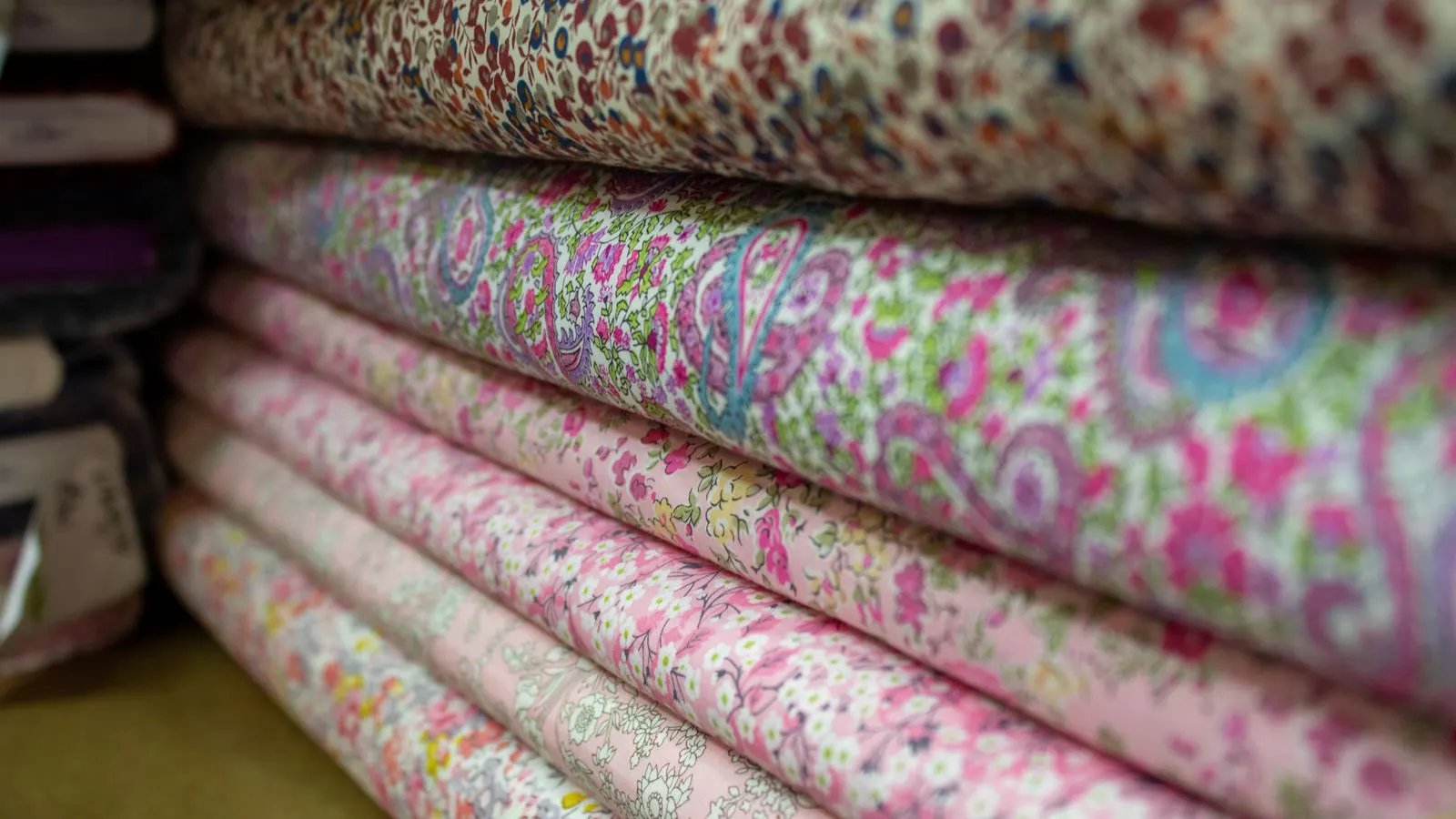
Fabric shrinkage and color bleeding stem from fiber instability, dye fixation, and inconsistent washing. Fix defects by testing samples under use conditions, verifying mill processes, and requiring certified repeatable dye lots.
- Treat shrinkage and bleeding as fabric sourcing failures, not isolated production errors.
- Always test received fabric with the same wash cycle, temperature, and drying method planned for final garments.
- Require textile suppliers to document dye lot, fiber content, and certification status before bulk acceptance.
- Request repeat swatches from the same lot and verify they match the approved sample after washing.
Why received fabric fails after the first wash
Shrinkage and color bleeding show up after the fabric leaves the mill. The defect may be a fiber problem, a dye problem, or a mix of both. When a buyer receives a large lot and finds the material out of spec after washing, the cost is immediate. Garment patterns shift. Hems pull. Colors transfer to adjacent panels.
The first step is not to blame the sewing room. It is to trace the failure back to the material. A fabric that shrinks unevenly in the crosswise direction suggests tension issues during finishing. A fabric that bleeds red into a white garment suggests poor dye fixation. Both are solvable if the sourcing team tests correctly and documents the results.
How to diagnose shrinkage before cutting
Shrinkage is measured by washing a sample and comparing its dimensions before and after. Use a standard sample size, at least a square of fabric large enough to measure in both warp and weft directions. Wash it in the temperature and cycle that will be used for the finished garment. Dry it the same way. Measure again.
A small amount of shrinkage is normal. Fiber content, construction, and finishing all affect the final dimension. A cotton twill may lose length and width after washing. A polyester knit may have very little change. The problem starts when the shrinkage is high, uneven, or inconsistent between different sections of the roll.
Check for directional shrinkage. If the length shrinks more than the width, the warp thread may be under tension. If the width shrinks more than the length, the weft may be tighter. This pattern can distort garment panels. It can make sleeves too short or hems too wide.
How to diagnose color bleeding correctly
Color bleeding is not only about whether a dark color turns into a stain. It is about whether the color transfers to other materials or to itself in a way that ruins the garment. A dark red panel can bleed onto a white collar. A black garment can bleed onto a white shirt when both are washed together.
To test for bleeding, wash the fabric in a cycle that simulates the harshest condition the garment will face. Use hot water if the garment will be washed in hot water. Use the same detergent type and concentration. Wash the sample with a white cloth or a white cotton swatch placed in the wash. If the white cloth picks up color, the dye is not fully fixed.
Check the color after drying. Some dyes release more color when fabric is wet. Other dyes bleed when fabric is exposed to heat and light. A sample that looks stable in the wash may still shift on the shelf. A sample that looks stable in the wash may still bleed when it is ironed or exposed to sunlight.
Common symptoms, likely causes, and fixes
| Symptom | Likely cause | What to do |
| Symptom | Likely cause | What to do |
| Fabric shrinks more than expected after washing | Insufficient pre-shrinking, loose construction, or fiber not stabilized | Ask the mill for pre-shrinking data, retest with the final wash cycle, and require a shrinkage limit in the spec |
| Color bleeds onto white cloth during washing | Poor dye fixation, low wash fastness, or overloading of dye in the bath | Request dye lot documentation, test with a white cloth, and require the mill to confirm wash fastness |
| Shrinkage is uneven across the roll | Tension issues in weaving or knitting, inconsistent finishing, or fabric stored under stress | Inspect multiple points on the roll, ask the mill to check tension settings, and reject the lot if the pattern repeats |
| Dark color transfers to light areas in the garment | Dye not fully fixed or color not stabilized after drying | Test with a light-colored swatch in the wash, require the mill to confirm color fastness, and isolate the affected lot |
| Fabric shrinks after ironing or pressing | Heat sensitivity of the fiber or dye, or lack of heat stabilization | Test the fabric with the planned pressing temperature, ask the mill to confirm heat stability, and adjust the pressing method if needed |
| Color fades after repeated washing | Dye not fully fixed or fiber not stable | Test over multiple wash cycles, require the mill to confirm fastness after repeated washing, and limit the number of washes in the spec |
How to set the right test conditions in fabric sourcing
The test conditions must match the final use. If the garment will be machine washed in cold water and tumble dried on low, the fabric sample should be washed in cold water and tumble dried on low. If the garment will be hand washed in warm water and line dried, the sample should be washed in warm water and line dried. The test conditions are the bridge between the mill and the customer.
Use the same detergent type that the customer will use. A fabric that passes with a mild detergent may fail with a harsher detergent. A fabric that passes in hard water may fail in soft water. A fabric that passes in a standard drum may fail in a front loading machine. The more realistic the test, the better the result.
Document every test. Keep the sample, the test sheet, the wash cycle, the time, the temperature, and the results. If the fabric fails, the documentation is the evidence. If the fabric passes, the documentation is the record that the lot was acceptable.
How to verify the textile supplier process
A reliable textile supplier can explain its process. Ask how the fiber is prepared. Ask how the dye is applied. Ask how the fabric is finished. Ask how the shrinkage is controlled. Ask how the color is fixed. The answers should be specific. They should reference equipment, parameters, and standards.
Ask for certification. A textile supplier that provides fabric certification can show that its processes meet the requirements of the buyer and the market. Certification is not a guarantee, but it is a signal that the supplier has a documented process. If a supplier cannot provide the certification, ask why.
Request swatches from the same lot that will be shipped. The swatches should be from the bulk lot, not from a separate sample roll. The swatches should be washed and tested before the bulk lot is accepted. If the swatches pass, the bulk lot is more likely to pass. If the swatches fail, the bulk lot should be rejected or retested.
How to prevent shrinkage and bleeding in future lots
Prevention starts in the specification. Write the shrinkage limit in the spec. Write the color fastness requirement in the spec. Write the wash cycle in the spec. Write the drying method in the spec. The spec is the contract between the buyer and the supplier. If the spec is vague, the result is vague.
Request repeat swatches. Ask for at least two swatches from the same lot, washed and tested. If both pass, the lot is stable. If one passes and the other fails, the lot is unstable. Reject the lot. Ask the supplier to identify the cause and correct it.
Build a relationship with the supplier. A supplier that understands the buyer requirements will do better than a supplier that treats each order as a transaction. Ask about its process. Ask about its quality control. Ask about its problem solving. A supplier that can explain its process is a better partner than a supplier that only provides a price.
Review the lot before cutting. Inspect the roll for visible defects. Check the label for fiber content, dye lot, and width. Check the fabric for tension and unevenness. If the roll has issues, do not cut it. Send it back. The cost of returning a bad lot is far lower than the cost of cutting and sewing a bad lot.
How to handle a failed lot
If a lot fails the test, do not guess. Do not assume it will pass. Do not try to fix it in the sewing room. Send the lot back to the supplier with the test results. Explain the failure. Explain the test conditions. Explain the impact on the garment.
Ask the supplier to provide a corrective action. Ask it to explain what went wrong. Ask it to provide a new lot. Test the new lot before accepting it. If the new lot passes, proceed. If the new lot fails, escalate the issue.
Keep the failed lot separate. Do not mix it with passing lots. Do not use it for anything that will be sold to a customer. The failed lot is a record of what went wrong. It is also a risk. If it is mixed with good fabric, the problem becomes harder to trace.
How to choose a better fabric sourcing partner
A good fabric sourcing partner is not just a supplier. It is a partner in quality. It understands the buyer requirements. It tests its fabric before shipping. It documents its process. It communicates clearly when problems occur.
Look for a textile supplier that provides certification. Look for a supplier that can explain its process. Look for a supplier that accepts responsibility when a lot fails. Look for a supplier that is willing to test its fabric under the buyer conditions.
The best suppliers are the ones that make the buyer job easier. They provide the documentation. They provide the swatches. They provide the test results. They provide the answers. They are not just a source of fabric. They are a source of confidence.
How to document the process for the next buyer
When a lot passes, document the process. Keep the sample. Keep the test sheet. Keep the certification. Keep the swatches. Keep the communication with the supplier. The next buyer will need this information. The next production run will need this information. The next quality audit will need this information.
Document the test conditions. Document the results. Document the supplier response. Document the corrective action. The documentation is the record. It is the evidence. It is the basis for the next decision.
A good fabric sourcing process is not a one time event. It is a cycle. Test the sample. Accept the lot. Cut the garment. Wash the garment. Test the result. Document the outcome. Adjust the spec. Test the next sample. The cycle is the process. The process is the quality.
How to avoid the most common mistakes
The most common mistake is testing the fabric under conditions that do not match the final use. If the garment will be washed in hot water, do not wash the sample in cold water. If the garment will be tumble dried, do not line dry the sample. The test must match the use.
The second mistake is accepting a lot without testing it. A lot can look good on the roll and fail after washing. A lot can look good in the sample and fail in the bulk. Test the bulk. Do not assume the sample is the bulk.
The third mistake is not documenting the test. If the lot fails, the buyer needs evidence. If the lot passes, the buyer needs a record. The documentation is the record. It is the evidence. It is the basis for the next decision.
The fourth mistake is not communicating with the supplier. If a lot fails, the supplier needs to know. If a lot passes, the supplier needs to know. Communication is the bridge between the buyer and the supplier. It is the basis for the next lot.
The fifth mistake is not adjusting the spec. If a lot fails, the spec needs to be adjusted. If a lot passes, the spec needs to be confirmed. The spec is the contract. It is the basis for the next lot. It is the basis for the next decision.
How to build a long term relationship with a textile supplier
A long term relationship is built on trust. Trust is built on consistent quality. Consistent quality is built on clear specs. Clear specs are built on clear communication. Clear communication is built on respect.
Respect the supplier. Respect its process. Respect its time. Respect its quality. Ask for what you need. Give it the information it needs. Listen to its answers. Work with it on problems.
A long term relationship is not a favor. It is a business arrangement. It is a partnership. It is a way to reduce risk. It is a way to improve quality. It is a way to save time.
The best fabric sourcing partners are the ones that make the buyer job easier. They provide the documentation. They provide the swatches. They provide the test results. They provide the answers. They are not just a source of fabric. They are a source of confidence.
The process is the quality. The documentation is the record. The relationship is the trust. The spec is the contract. The test is the evidence. The supplier is the partner. The buyer is the customer. The garment is the result.
Frequently asked questions
How do I know if a fabric lot will shrink too much?
Wash a sample in the same cycle, temperature, and drying method used for the final garment. Measure the dimensions before and after washing. Compare the result to the limit in the spec.
What should I do if color bleeds onto a white cloth during washing?
Reject the lot. Send the test results to the supplier. Ask it to identify the cause. Request a new lot from the same dye lot or a corrected dye lot.
How do I verify that a textile supplier has the right process?
Ask for fabric certification. Ask for documentation of the dye lot, fiber content, and wash fastness. Ask for swatches from the bulk lot, not just a sample roll.
Should I test the bulk lot or just the sample?
Test the bulk lot. The sample and the bulk can differ. The bulk is what will be cut. The sample is only a reference.
How do I prevent shrinkage in future lots?
Write the shrinkage limit in the spec. Test the sample under final use conditions. Require the supplier to provide shrinkage data. Reject the lot if it fails.
What if the fabric passes the wash test but fades after repeated washing?
Test over multiple wash cycles. Require the supplier to confirm fastness after repeated washing. Limit the number of washes in the spec.