What is a Fabric Mill and How It Works
A fabric mill is a facility that converts raw fibers into finished fabric using spinning, weaving, or knitting machines. It is the central production node in apparel supply chains, determining the final material properties, lead times, and sourcing costs.
- A fabric mill transforms raw yarns into finished cloth through specific mechanical processes.
- The mill's production capabilities dictate the possible fabric types and quality standards.
- Sourcing decisions depend heavily on the mill's capacity, equipment, and certification status.
- Clear communication with the textile supplier is required to manage expectations and quality.
What exactly is a fabric mill
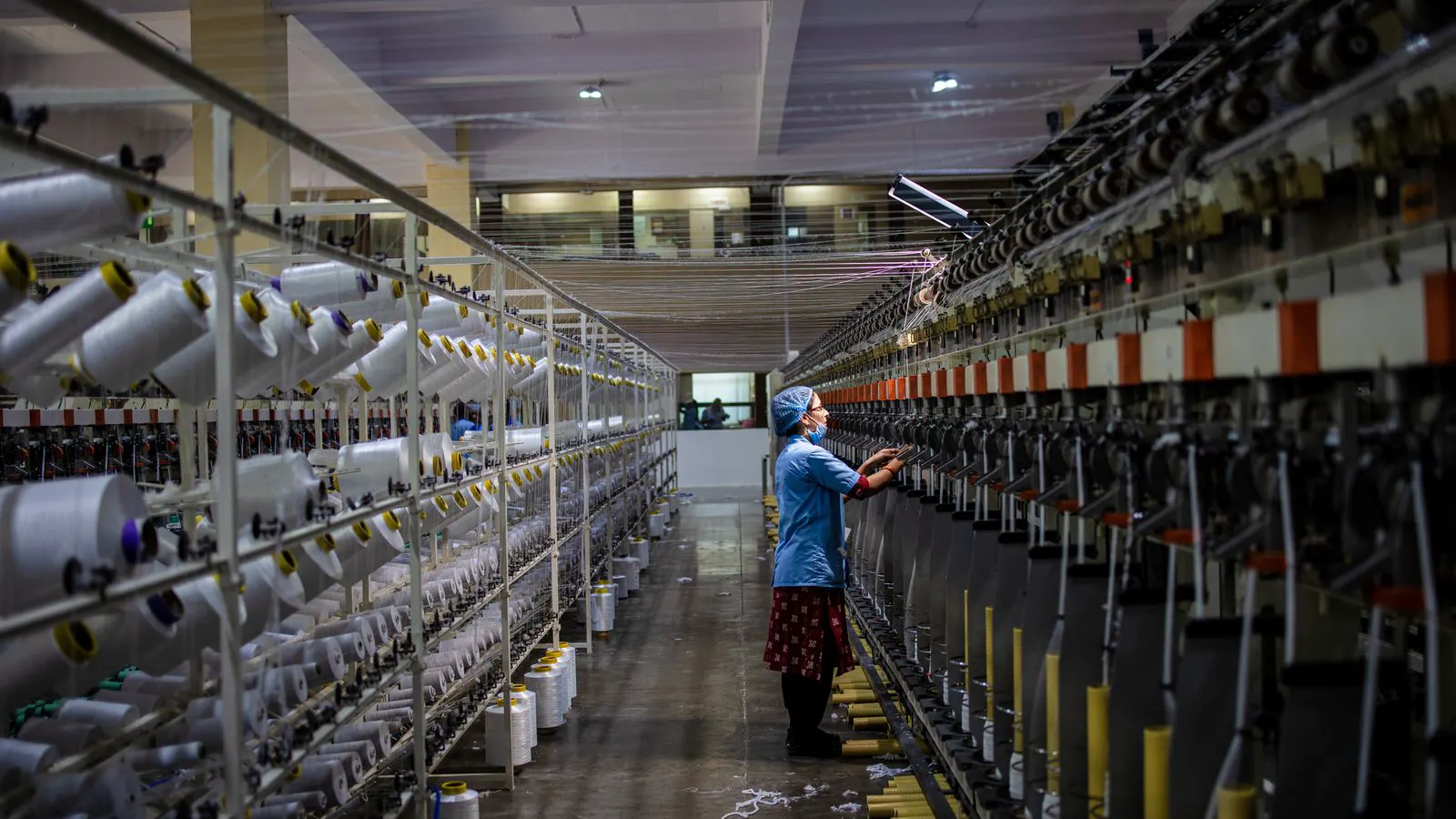
A fabric mill is a manufacturing facility where raw fibers are converted into finished fabric. The core function of the mill is to apply mechanical processes to yarns to create a textile sheet. These processes include weaving, knitting, or loom operations. The facility houses the heavy machinery, quality control stations, and finishing lines required to produce usable cloth.
When buyers speak about the mill, they refer to this production entity. The mill is distinct from the raw material supplier and the finished garment factory. It sits in the middle of the chain. The raw fiber supplier sends cotton, polyester, wool, or blends to the mill. The mill processes these inputs into bolts of fabric. The fabric then moves to a garment factory or a finishing unit.
This separation of roles creates specific points of control and risk. The mill determines the fabric’s structural integrity. It sets the weave density, the yarn thickness, and the final hand feel. A buyer cannot change the mill’s equipment after the fabric is produced. The machine used dictates the maximum possible quality.
How the production process works step by step
The production flow inside a fabric mill follows a logical sequence. Each stage transforms the material further. Understanding these stages helps buyers identify where quality issues might originate.
- Yarn preparation. The mill receives yarns in bobbins or cones. These yarns may be spun in-house or purchased from a yarn supplier. The mill checks the yarn count, twist, and consistency before loading them into machines.
- Warping or winding. For woven fabrics, the mill prepares the warp. This involves threading thousands of yarns onto a frame. For knitted fabrics, the yarns are loaded onto circular knitting machines.
- Weaving or knitting. The main production step occurs here. Looms or knitting machines interlace the yarns to form the fabric. The speed and tension of these machines affect the final product.
- Finishing. The raw fabric undergoes washing, dyeing, or printing. This stage changes the color and hand feel. It may also include mercerizing or sanifinizing to improve durability.
- Quality inspection and rolling. Finished fabric is inspected for defects. It is then rolled onto tubes and labeled. These labels contain the lot number, date, and specifications.
Each step introduces a potential failure point. A loose warp thread at the start can create a hole in the final cloth. A dye vat that runs too hot can shift the color. Buyers must understand which stage affects their specific requirements.
How mill capabilities affect fabric sourcing
The type of machinery in a mill defines what it can produce. A mill with only flat looms cannot produce stretch jersey. A mill with circular knitting machines cannot produce heavy denim. When a buyer requests a specific fabric, they must verify the mill’s equipment.
The mill’s capacity is measured in meters per shift. This number varies by fabric type. A lightweight jersey moves through a knitting machine much faster than a heavy canvas. The mill’s total output determines its ability to handle large orders. A small boutique mill may lack the capacity to supply a major retailer.
Lead times also depend on the mill’s workflow. A mill running at full capacity has a backlog of orders. The new order waits in the queue. A mill with spare capacity can start production immediately. This difference affects the buyer’s planning. If the garment season is tight, a mill with available space is a better choice.
The mill’s location influences logistics. A mill in a region with good port access reduces shipping costs. A mill far from the buyer’s headquarters increases lead times. The transportation method, such as sea or air, depends on the volume and urgency.
The role of the textile supplier in the chain
The textile supplier is the entity that sells the fabric to the buyer. This is often the same company that owns the fabric mill. However, the supplier may also act as a broker, sourcing fabric from multiple mills.
When dealing with a textile supplier, the buyer needs clarity on the source. If the supplier is a broker, they must disclose which mill produces the fabric. This transparency is critical for quality control. If the supplier is the mill owner, the relationship is direct. The buyer talks to the production managers.
The supplier handles the commercial aspects. They issue pro forma invoices, manage shipping, and handle customs documentation. They also manage the relationship with the raw material suppliers. The buyer focuses on the design and the final garment. The supplier ensures the fabric matches the technical pack.
A reliable textile supplier maintains a history of consistent output. They can provide past production data for similar fabrics. They can explain any deviations from the standard. They respond quickly to quality queries. The buyer should evaluate the supplier’s communication style. A slow response time can delay a garment launch.
How to evaluate a fabric mill before placing an order
Before committing to a mill, a buyer should conduct a thorough evaluation. This process reduces the risk of receiving poor quality fabric. The evaluation covers three main areas: equipment, quality systems, and financial stability.
Equipment and technology. The buyer should ask for details on the looms or knitting machines. The age of the machinery matters. Older machines may produce inconsistent results. Newer machines often have better precision. The mill should be able to demonstrate the machine in operation.
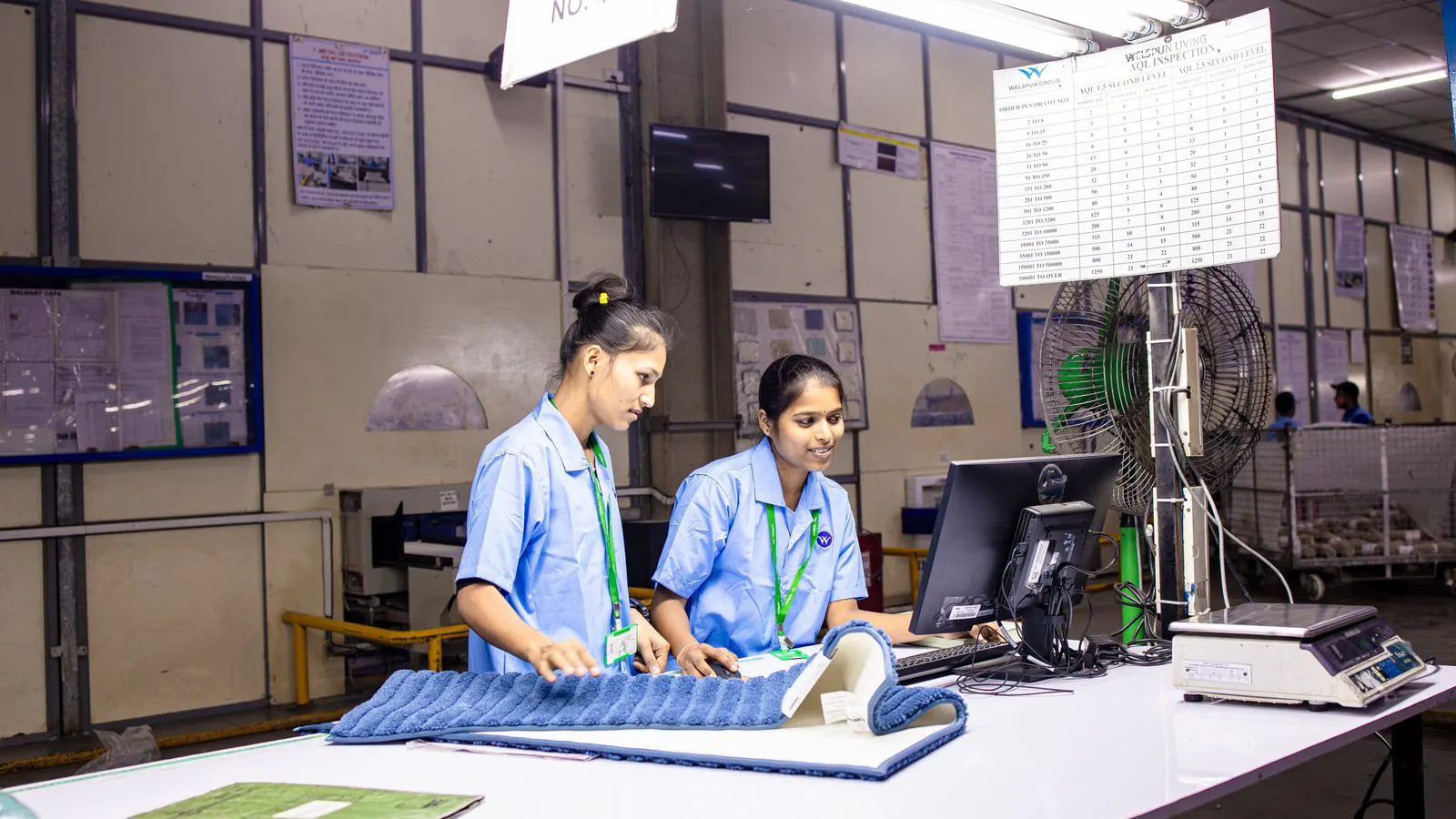
Quality management. The mill must have a documented quality control process. This includes incoming inspection of yarns, in-process checks, and final inspection of fabric. The mill should use statistical process control methods. These methods track variations in fabric weight, width, and color.
Financial and operational stability. A stable mill can meet deadlines. A mill facing financial trouble may cut corners. The buyer should check the mill’s references. They should ask for contact details of other buyers. They should verify the mill’s certifications.
Worked example of a sourcing decision
Consider a buyer who needs a medium-weight cotton twill for a pair of trousers. The buyer sends a technical pack to three mills. Each mill responds with a quote and a lead time.
Mill A uses older rigid heddle looms. The quote is low. The lead time is six weeks. The mill offers a standard inspection. The fabric is likely to have minor inconsistencies in the weave.
Mill B uses automatic jacquard looms. The quote is higher. The lead time is four weeks. The mill offers a full inspection with a defect report. The fabric will have a tighter, more uniform weave.
Mill C uses a hybrid setup. The quote is mid-range. The lead time is five weeks. The mill is located closer to the buyer’s garment factory. The fabric quality is good, but the mill has a history of minor delays.
The buyer chooses Mill B. The higher cost is justified by the need for a consistent weave in a premium product. The shorter lead time reduces the risk of missing the season. The full inspection provides documentation for the buyer’s own quality checks.
Common mistakes in fabric sourcing
Buyers often make errors that lead to production problems. The most common mistake is assuming that a low price guarantees good value. A cheap fabric from an unvetted mill may require more rework. The cost of fixing a defect is higher than the initial savings.
Another mistake is ignoring the mill’s capacity. A buyer places a large order with a small mill. The mill cannot handle the volume. The order is delayed. The buyer loses the season. The mill should be able to confirm its capacity in writing.
A third mistake is unclear specifications. If the buyer does not define the fabric weight and width precisely, the mill may produce a slightly different result. The fabric may not fit the pattern. The buyer should provide a detailed technical pack. They should also request a physical swatch for approval.
Finally, buyers often skip the mill audit. They rely on the supplier’s word. If the mill lacks proper quality controls, the fabric will fail. A physical audit or a video call can reveal the actual conditions. The buyer should verify the certifications mentioned in the checklist.
How to request and review fabric swatches
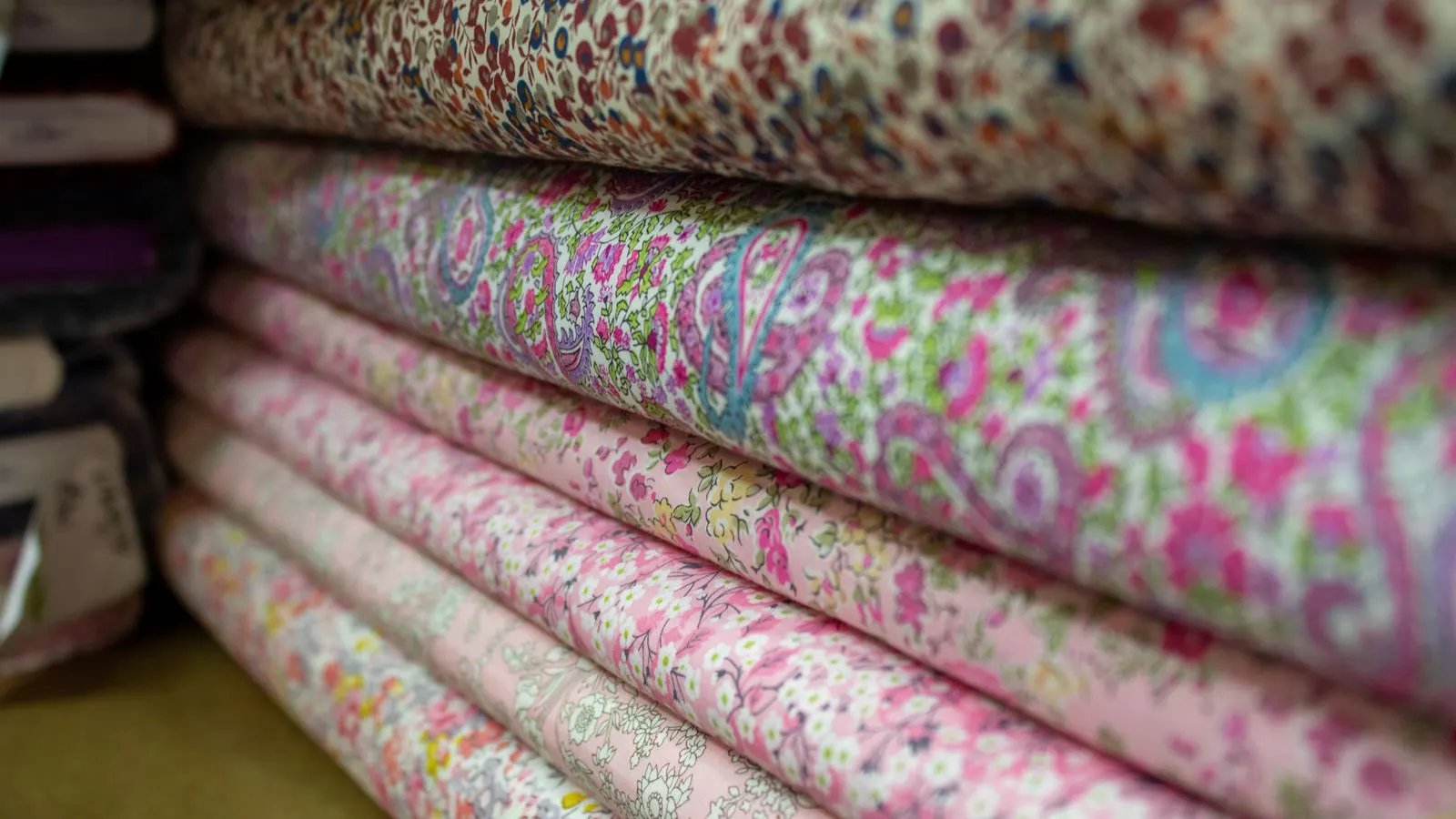
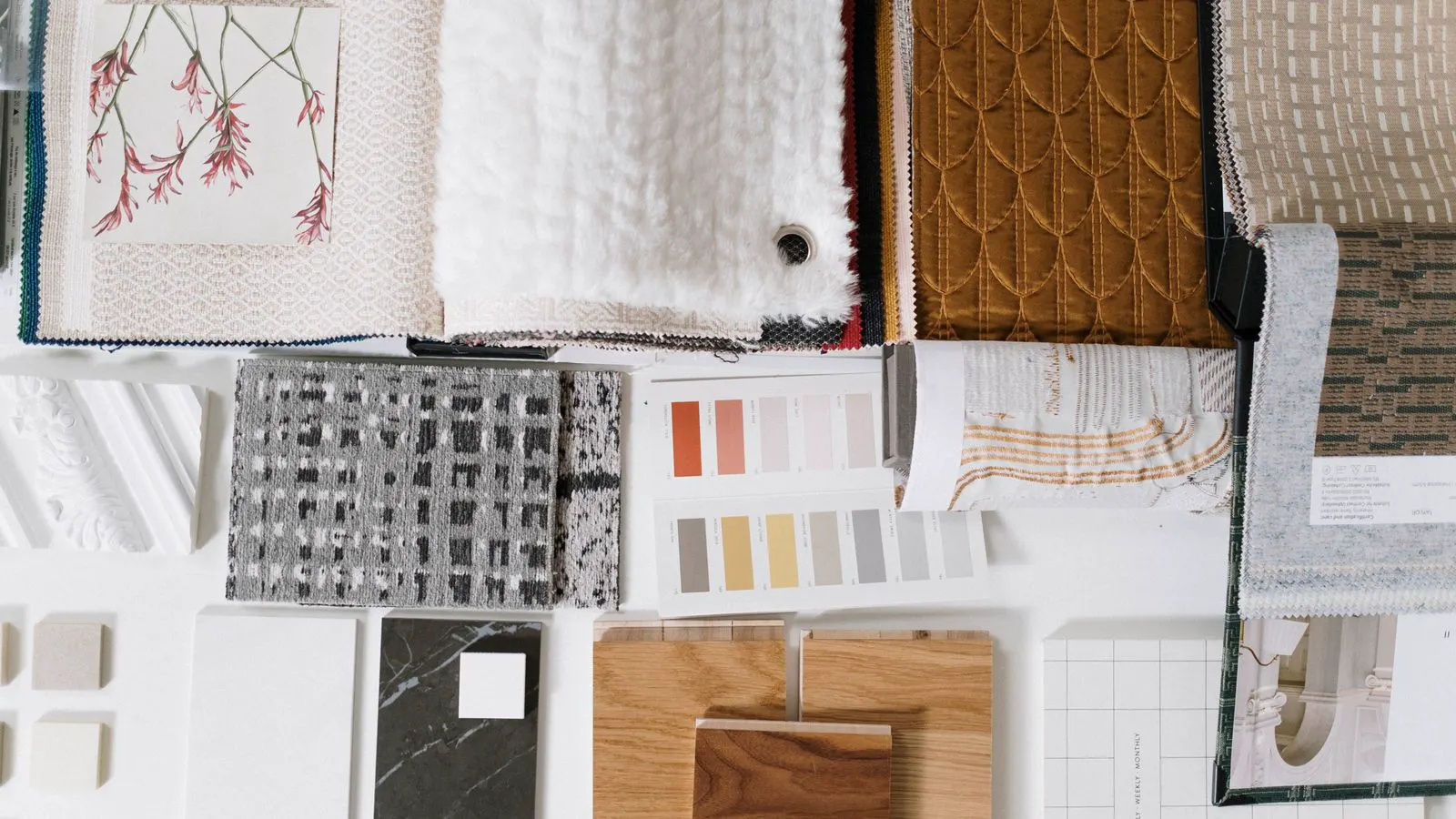
Swatches are small samples of the fabric. They allow the buyer to check the material before committing to a full order. A good swatch should be representative of the bulk fabric. It should come from the same production run as the final order.
The buyer should request swatches from the mill directly. They should check the color, weight, width, and hand feel. They should rub the fabric to see if the color rubs off. They should stretch it to check the recovery. They should wash it to see if it shrinks.
The swatch should be labeled with the lot number and date. This links the sample to the bulk production. If the swatch differs from the bulk fabric, the buyer should reject the order. The supplier must take responsibility for the discrepancy.
The review of swatches is a critical step. It saves the buyer from a large-scale failure. The buyer should document the approval process. They should sign off on the swatch in writing. This creates a legal reference point for quality expectations.
Conclusion
A fabric mill is the engine of fabric production. It converts raw inputs into finished cloth. The mill’s capabilities, quality systems, and capacity determine the success of a sourcing project. Buyers must understand the production process to make informed decisions. They must evaluate mills carefully. They must request and review swatches thoroughly. They must maintain clear communication with the textile supplier.
The role of the mill in the supply chain is central. It connects the raw material to the finished garment. A well-managed mill reduces risk and ensures quality. A poorly managed mill creates problems downstream. The buyer’s job is to select the right mill and manage the relationship. This requires knowledge, patience, and a focus on details.
By understanding how a fabric mill works, a buyer gains control over their supply chain. They can identify risks early. They can negotiate better terms. They can ensure that the fabric meets their exact needs. The fabric mill is not just a factory. It is a partner in the creation of the final product.
Frequently asked questions
What is the difference between a fabric mill and a textile supplier?
A fabric mill is the physical facility that produces the fabric. A textile supplier is the commercial entity that sells the fabric. Often, the supplier owns the mill, but they can also be separate parties.
How long does it take to produce fabric at a mill?
Production times vary by fabric type and mill capacity. Lightweight knits can be produced quickly. Heavy wovens take longer. Lead times also include waiting in the production queue.
What documents should I request from a fabric mill?
Request a technical pack, a mill certificate of origin, and a quality inspection report. You should also ask for a sample swatch with the lot number clearly labeled.
Can I visit a fabric mill before ordering?
Yes, a physical audit is highly recommended. It allows you to see the equipment and quality controls. If a visit is not possible, a video audit is a good alternative.
How do I handle a fabric quality defect?
Document the defect with photos and measurements. Notify the textile supplier immediately. Request a corrective action plan from the mill. Do not accept the fabric until the issue is resolved.