Future of Digital Sampling in Apparel Manufacturing
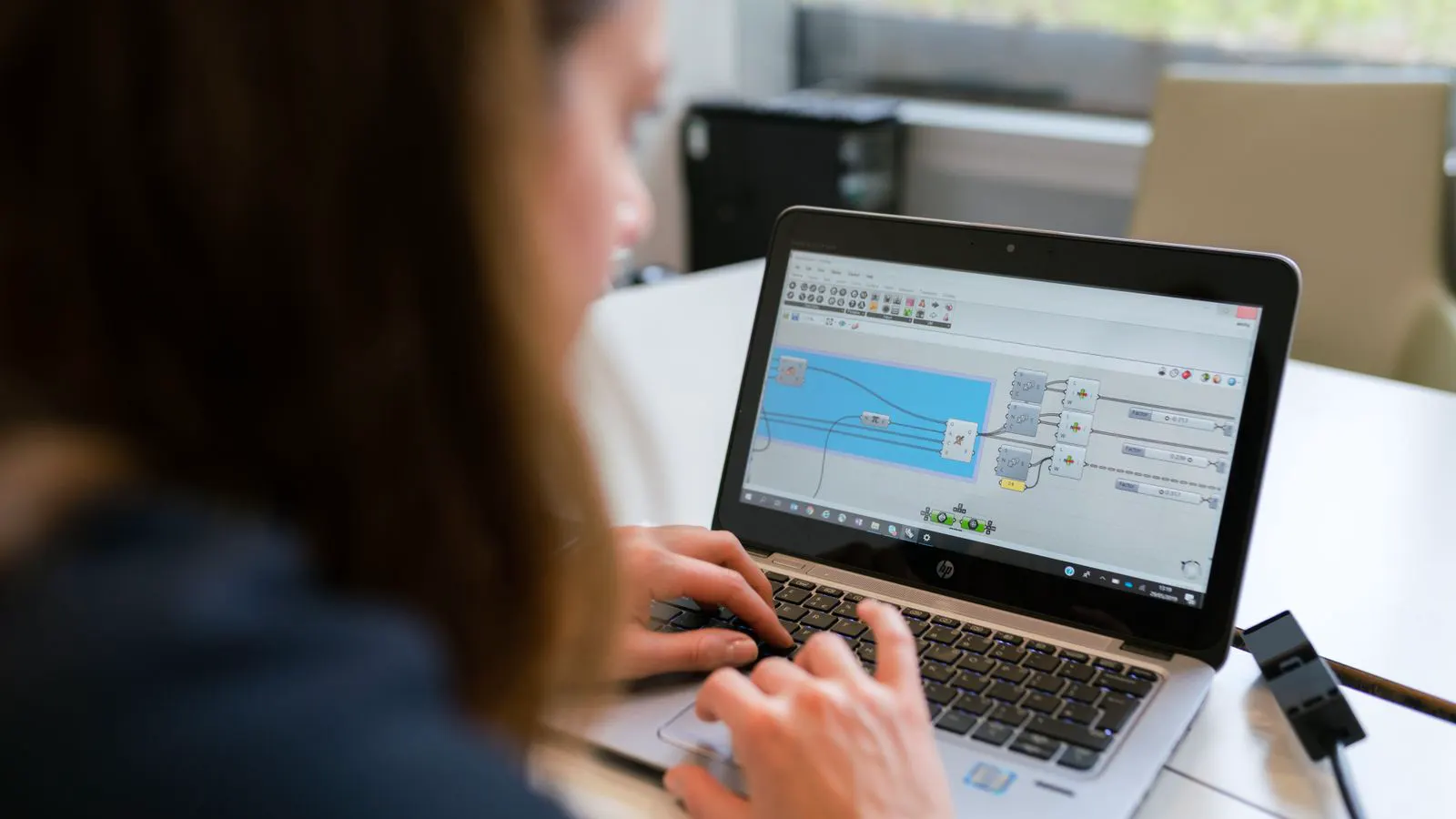
Digital tools are moving garment sampling from a physical, iterative process to a virtual-first one. Buyers now use digital tech packs and 3D sampling to validate fit, construction, and materials before cutting fabric. This shifts the workflow upstream and reduces costly physical samples.
- Digital tech packs replace static PDFs with structured, version-controlled data that reduces interpretation errors.
- 3D sampling lets you test fit and construction logic before fabric is cut, shifting approval risks earlier.
- Factories must update their pre-production checks to validate digital data, not just physical samples.
- Buyers should treat digital samples as one step in a two-stage approval, not a replacement for final physical sign-off.
- Training your factories on new digital formats takes time. Start with pilot lines and clear documentation standards.
The traditional approval workflow is changing. A physical sample used to be the first place a buyer saw if a tech pack was understood correctly. Today, many teams validate construction, fit, and material behavior in a digital environment before the first piece of fabric is cut.
This shift is not about removing physical samples. It is about moving the cost of errors earlier in the process. When a sleeve length or seam placement is wrong, finding it on a 3D model costs time. Finding it on a finished sample costs fabric, labor, and lead time.
How the traditional sampling workflow breaks down
A typical garment sampling workflow starts with a tech pack. The factory reads it, creates a pattern, cuts a sample, sews it, and sends it to the buyer for approval. The buyer checks the sample against the tech pack, sends comments, and the factory corrects the sample. This cycle often repeats.
The problem is that the physical sample is a final output. It shows what the factory did, but it does not show what the factory understood. If the tech pack is ambiguous, the factory makes an assumption. The sample reflects that assumption. The buyer only sees the assumption after the fabric is cut.
This creates three communication gaps:
- The tech pack is a static document. It cannot capture the order of operations or the rationale behind a construction choice.
- The sample is a physical object. It is hard to compare against multiple versions quickly.
- The feedback loop is slow. Waiting for a physical sample to arrive delays the next approval step.
Digital tools address these gaps by making the data structure visible before production begins.
What digital tech packs change in practice
A digital tech pack is not just a PDF with a different file extension. It is a structured dataset that defines the garment in a way that software can read.
Key fields include:
- Pattern pieces with exact coordinates and seam allowances
- BOM with material codes, colorways, and usage
- Construction sequence with step-by-step instructions
- Fit models with body measurements
- Quality checkpoints for each stage
When a factory uses a digital tech pack, the data flows into their pattern-making and 3D simulation software. The tech pack becomes a source of truth, not a reference document.
This changes the pre-production checklist. Instead of asking, “Does the factory understand the tech pack?”, the buyer asks, “Can the factory reproduce the digital model from the tech pack?” The answer is visible in the software, not buried in a physical sample.
The table below shows how a typical approval step shifts from physical to digital.
| Approval Step | Traditional Method | Digital Method | Risk Shift |
|---|---|---|---|
| Pattern Verification | Factory sends pattern drawings | Factory exports pattern from digital tech pack | Errors caught in pattern stage |
| Fit Check | Buyer reviews physical fit sample | Buyer reviews 3D fit simulation | Fit issues found before cutting |
| Construction Check | Buyer reviews sewn sample | Buyer reviews 3D construction sequence | Assembly logic errors found early |
| Material Check | Buyer reviews fabric swatch on sample | Buyer reviews material properties in 3D model | Material behavior issues found early |
| Final Approval | Buyer signs off physical sample | Buyer signs off digital model and physical sample | Final sign-off confirms both |
The risk shifts upstream. This is the core value of digital sampling.
How 3D sampling changes fit and construction validation
3D sampling allows a buyer to review a virtual garment before any physical sample is made. The buyer can change the fit model, adjust pattern pieces, or modify construction steps to see the impact instantly.
This is particularly useful for complex garments. A jacket with multiple panels, zippers, and lining layers is hard to debug with a physical sample alone. In 3D, the buyer can isolate each layer and check how it interacts with the shell.
However, 3D sampling has limits. It cannot perfectly replicate the drape of a knitted fabric or the hand feel of a woven material. It also cannot show the exact way a seam will behave under tension in a real garment.
The practical approach is to use 3D for logic and fit, and physical samples for feel and final quality. The 3D model answers, “Is the construction correct?” The physical sample answers, “Does it feel right?”
Buyers who use both get a faster approval process. They do not need to send multiple physical samples to test the same fit issue. They can iterate in 3D until the model is approved, then send a single physical sample for final sign-off.
What factories need to prepare for digital sampling
Factories are the ones who will feel the change first. A factory that has relied on interpreting a PDF tech pack and a verbal call for a new sample may struggle with a digital workflow.
The shift requires three things from a factory:
- Software proficiency. The pattern maker and the 3D designer must be comfortable with the tools.
- Data discipline. The tech pack must be complete and accurate. If the digital data is wrong, the 3D model is wrong.
- Process adjustment. The factory must build time into the workflow for digital iteration. This is not a one-time task. It is a loop.
A factory that resists this change will fall behind. Buyers will move their orders to suppliers who can deliver a digital sample within days, not weeks.
The preparation is not just technical. It is cultural. A factory must treat the digital model as a work in progress, not a final output. The first 3D model is rarely perfect. The value is in the iteration.
How buyers should structure the new approval workflow
Buyers need to update their approval process to match the new tools. The workflow is no longer a linear path from tech pack to physical sample to approval. It is a parallel process.
The recommended structure is:
- Tech Pack Validation. Confirm the digital tech pack is complete. Check all fields, measurements, and BOM entries.
- 3D Model Review. The factory creates a 3D model from the tech pack. The buyer reviews the model for fit and construction logic.
- 3D Iteration. The buyer sends comments. The factory updates the 3D model. This loop continues until the model is approved.
- Physical Sample Production. The factory cuts and sews a physical sample using the approved 3D model.
- Physical Sample Review. The buyer checks the physical sample for material behavior, hand feel, and final quality.
- Final Approval. The buyer signs off both the 3D model and the physical sample.
This structure reduces the number of physical samples needed. It also creates a clear audit trail. If there is a dispute about fit or construction, both parties can reference the approved 3D model.
The key is to define what each approval step covers. The 3D approval is not a final approval. It is a construction and fit approval. The physical approval is a quality and feel approval.
Five shifts buyers should plan for
The move to digital sampling is not just a tool change. It is a workflow change. Buyers should plan for these five shifts.
- From PDF to Structured Data. The tech pack is no longer a document. It is a dataset. This requires a different way of creating and managing tech packs.
- From Physical-First to Digital-First. The first review is now digital. The physical sample is no longer the first proof.
- From Assumption to Validation. The factory must prove it understands the tech pack by reproducing it in 3D. This removes the ambiguity of verbal instructions.
- From Slow Feedback to Fast Iteration. Comments can be made and addressed within hours, not days. This requires a different communication protocol.
- From Single Approval to Dual Approval. The buyer must approve both the 3D model and the physical sample. This adds a step but reduces risk.
These shifts take time to implement. A buyer should not expect to switch all orders to digital sampling overnight. Start with a pilot line. Choose one style and one factory. Run the digital workflow from start to finish. Document what works and what does not.
Then expand. The goal is not to eliminate physical samples. The goal is to use digital tools to make the physical samples more accurate and fewer in number.
How to prepare your team for the transition
The biggest barrier is not the software. It is the team.
The buyer team must learn to read 3D models. They must learn to give feedback that is specific and actionable. “The sleeve is too long” is not enough. “The sleeve length is 2 cm longer than the tech pack specifies at the wrist” is actionable.
The factory team must learn to treat the digital model as a living document. The first model is a draft. The buyer will not expect a perfect model on the first try. The value is in the iteration.
Both sides need clear documentation. The tech pack must be the single source of truth. If there is a discrepancy between the tech pack and the 3D model, the tech pack wins. If there is a discrepancy between the 3D model and the physical sample, the physical sample wins, but the cause must be investigated.
The transition is messy at first. Expect miscommunication. Expect delays. The key is to build a process that can absorb these errors without derailing the order.
Conclusion
Digital tools are changing how garment sampling works. The traditional workflow, which relied on physical samples to reveal errors, is being replaced by a digital-first process. This does not mean physical samples are gone. It means they are no longer the first proof.
The shift moves risk earlier in the process. It reduces waste. It speeds up approvals. And it creates a clearer audit trail.
Buyers who prepare for this change will be better positioned to manage their supply chain. Factories that embrace it will become more competitive. The tools are available. The workflow is defined. The next step is to implement.
Frequently asked questions
Can 3D sampling replace physical samples entirely?
No. 3D sampling is excellent for fit and construction logic, but it cannot replicate the hand feel, drape, and final quality of a physical garment. Physical samples are still required for final approval.
What is the main advantage of a digital tech pack over a PDF?
A digital tech pack is a structured dataset that software can read. This reduces interpretation errors and allows the factory to create a 3D model directly from the data, rather than manually translating a PDF.
How many physical samples will I still need?
It depends on the complexity of the garment. Most buyers can reduce the number of physical samples by one or two. The first physical sample is often a "fit sample," and the second is a "final sample." The 3D model handles the construction logic, so the physical samples focus on feel and final quality.
What software do I need to start?
You need a 3D design software that can import a digital tech pack and simulate a garment. You also need a pattern-making software that can export data to the 3D platform. The specific tools depend on your factory's existing setup.
How long does it take to train a factory on digital sampling?
It varies by factory. A factory with existing 3D experience may take a few weeks. A factory new to the process may take a few months. The key is to start with a simple style and a dedicated point of contact.