Pre-Production Checklist for Cut and Sew Garments
A pre-production checklist ensures all technical and quality parameters are verified before mass production. It covers sample approval, production planning, fabric inspection, and line setup to prevent defects and delays on the floor.
- Verify every technical parameter against the approved sample before cutting begins.
- Confirm fabric lot numbers, shrinkage data, and colorfastness to prevent quality failures.
- Inspect the production line for correct machine setup and operator skill matching.
- Track the first piece through the full process to catch defects early.
- Use a structured checklist to reduce rework and keep the production schedule on track.
Confirm the Sample Approval Status
Before a single piece of fabric is cut, the approved sample must be locked. The production floor runs on the sample, not on verbal instructions or an outdated tech pack. If the sample was adjusted after the last review, the final approved version must be clearly marked and distributed to the cutting room, the sewing floor, and the quality team.
The sample approval document should list every change made during the review cycle. This includes trims, stitching patterns, collar construction, and hem finishes. A common failure is the cutting room working from an old pattern that was corrected two weeks earlier. The result is a mass of garments that need rework or cannot be sold.
Check that the sample approval sheet is signed by the buyer or the authorized representative. If the approval was given over email, print the email and attach it to the production file. The document must be available on the floor. If the sample is missing or ambiguous, stop the production process and resolve the gap before cutting.
Review Production Planning and Line Setup
Production planning determines how the order will be executed. The plan must match the capacity of the factory and the complexity of the garment. A simple t-shirt and a structured jacket require different line configurations and different skill levels.
The production plan should include the daily output target, the number of operators per line, and the machine allocation. Each line should be assigned a specific style and a specific quantity per day. If the plan is vague, the line supervisor will struggle to meet the target.
Check the machine setup for each operation. The first piece on the line must be produced correctly. The machine settings, needle size, presser foot pressure, and thread tension must match the approved sample. A small difference in stitch density can cause the fabric to pucker. A loose thread tension can create loops on the wrong side. Inspect the first piece closely. If the first piece fails, the entire batch will fail.
Inspect Fabric and Trims Before Cutting
The fabric and trims are the foundation of the garment. A defect in the material will appear in every piece, no matter how well the cutting is done. Inspect the fabric lot before it is loaded into the cutting machine.
Check the fabric for color variation, fabric weight, and shrinkage. The lab dip and the fabric should match. If the color is off, the entire lot may need to be rejected. The fabric weight should be within the specification. A heavier fabric can affect the drape and the fit. A lighter fabric may not support the structure of the garment.
Shrinkage is a critical parameter. The fabric must be pre-shrunk or the pattern must be adjusted for shrinkage. If the shrinkage is not accounted for, the finished garment will be too small after washing. The trim must also be inspected. Zippers, buttons, and elastic must match the sample. A wrong size of button will not fit the buttonhole. A short zipper will not close the garment.
Verify Pattern and Cutting Accuracy
The pattern is the blueprint for the garment. The cutting room must work from the correct pattern size and the correct layout. A small error in the pattern or the layout can waste significant fabric and create fit issues.
Check the pattern pieces for the correct size designation. A size M piece cannot be cut from a size L pattern. The cutting layout must be optimized for the fabric width and the grainline. The grainline must be parallel to the selvage. If the grainline is off, the garment will not hang correctly.
The cutting machine must be calibrated. The blade must be sharp and the pressure must be even. A dull blade can fray the fabric edges. A uneven pressure can cause the layers to shift. The cutting operator must check the first few pieces to ensure the accuracy. Measure the key points against the pattern. If the measurement is off, stop and recalibrate the machine.
Check Sewing Line and Operator Competency
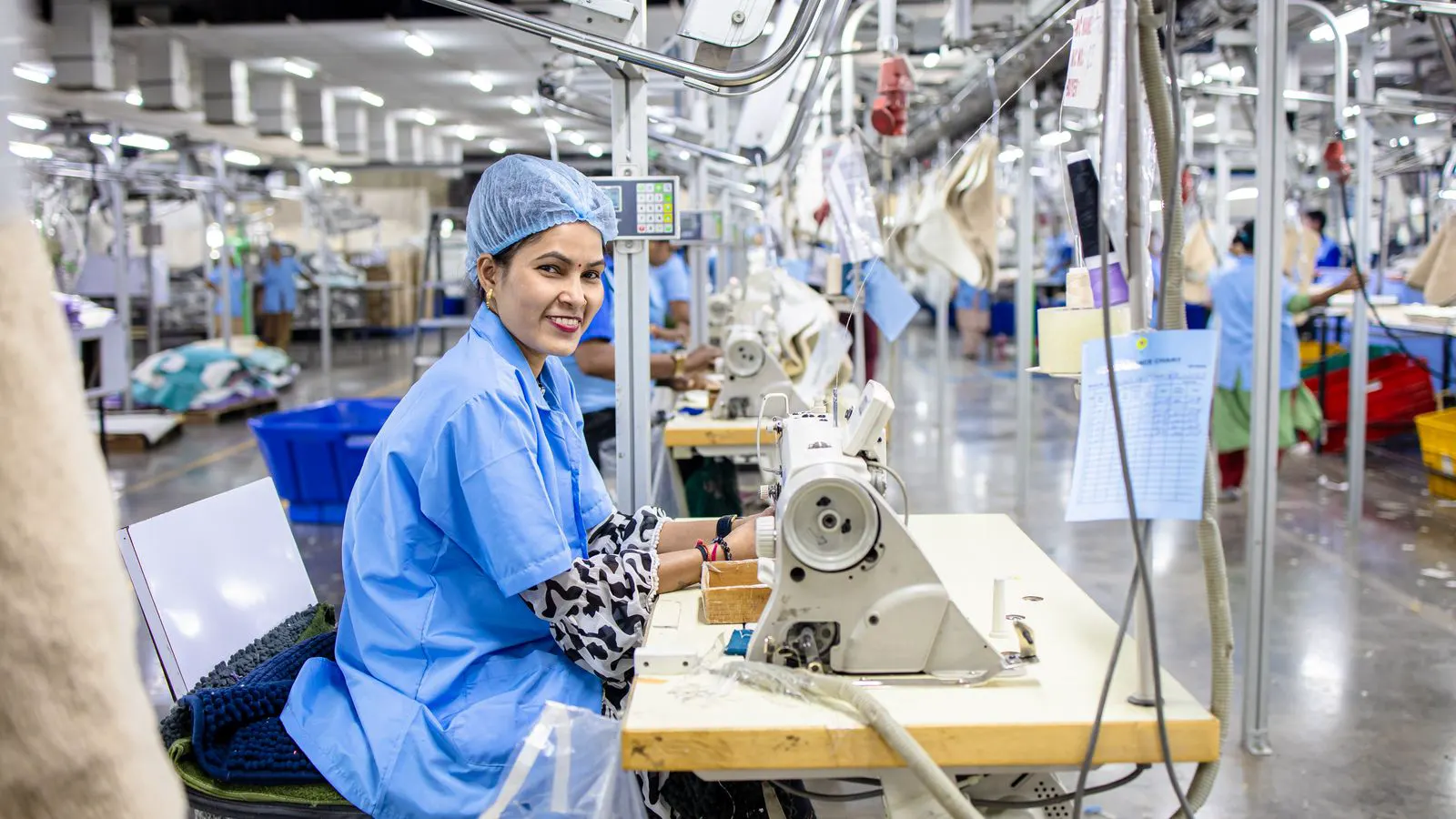
The sewing line is where the garment is assembled. The line setup must match the production plan. The machine count and the operator count must be sufficient to meet the daily target. Each operator must be trained for the specific operation they are assigned.
Check the operator skill level. A complex operation, such as a collar attachment or a zipper installation, requires a skilled operator. A basic stitch can be done by a new operator. If the skill level is mismatched, the quality will drop and the speed will slow.
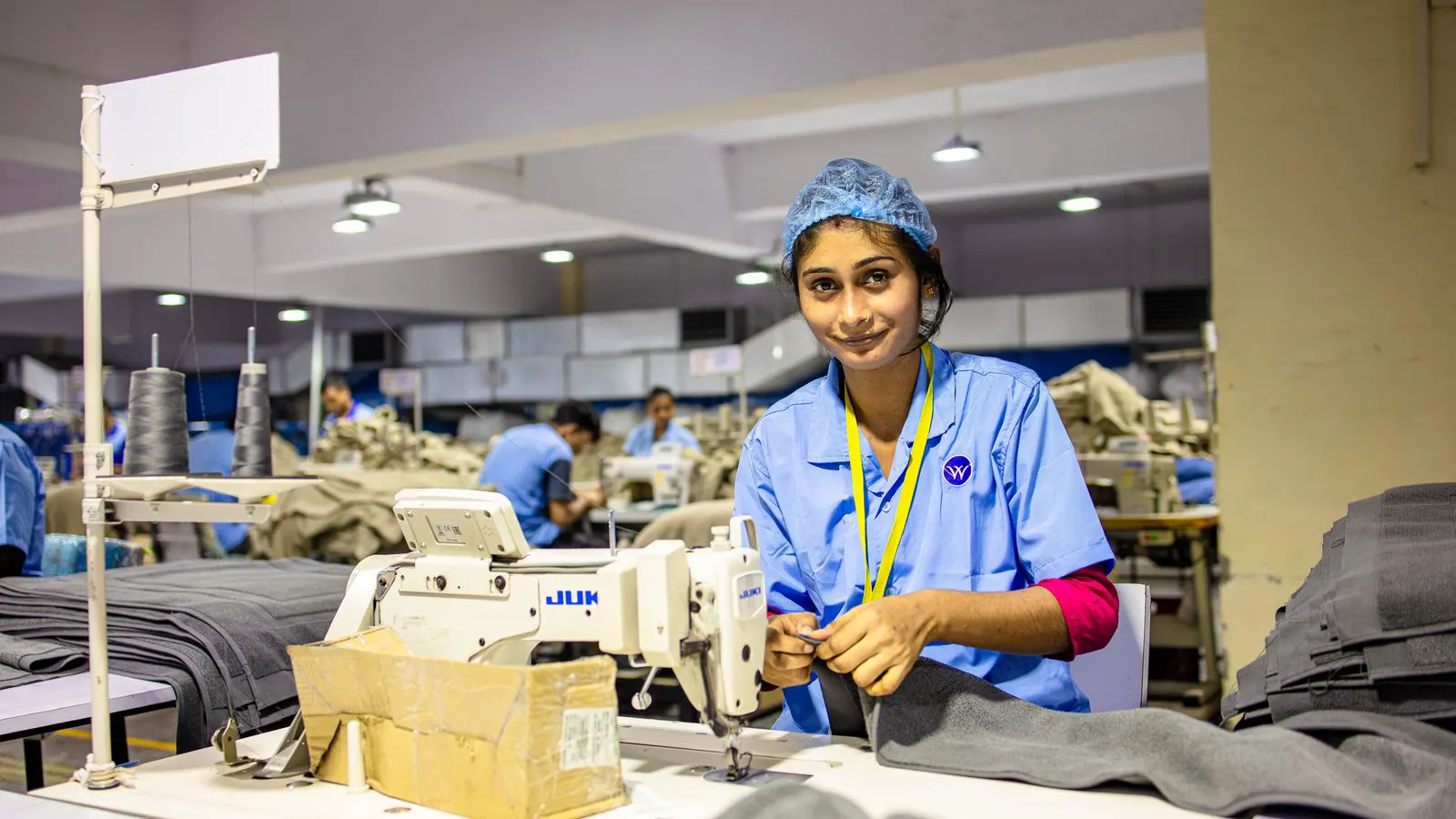
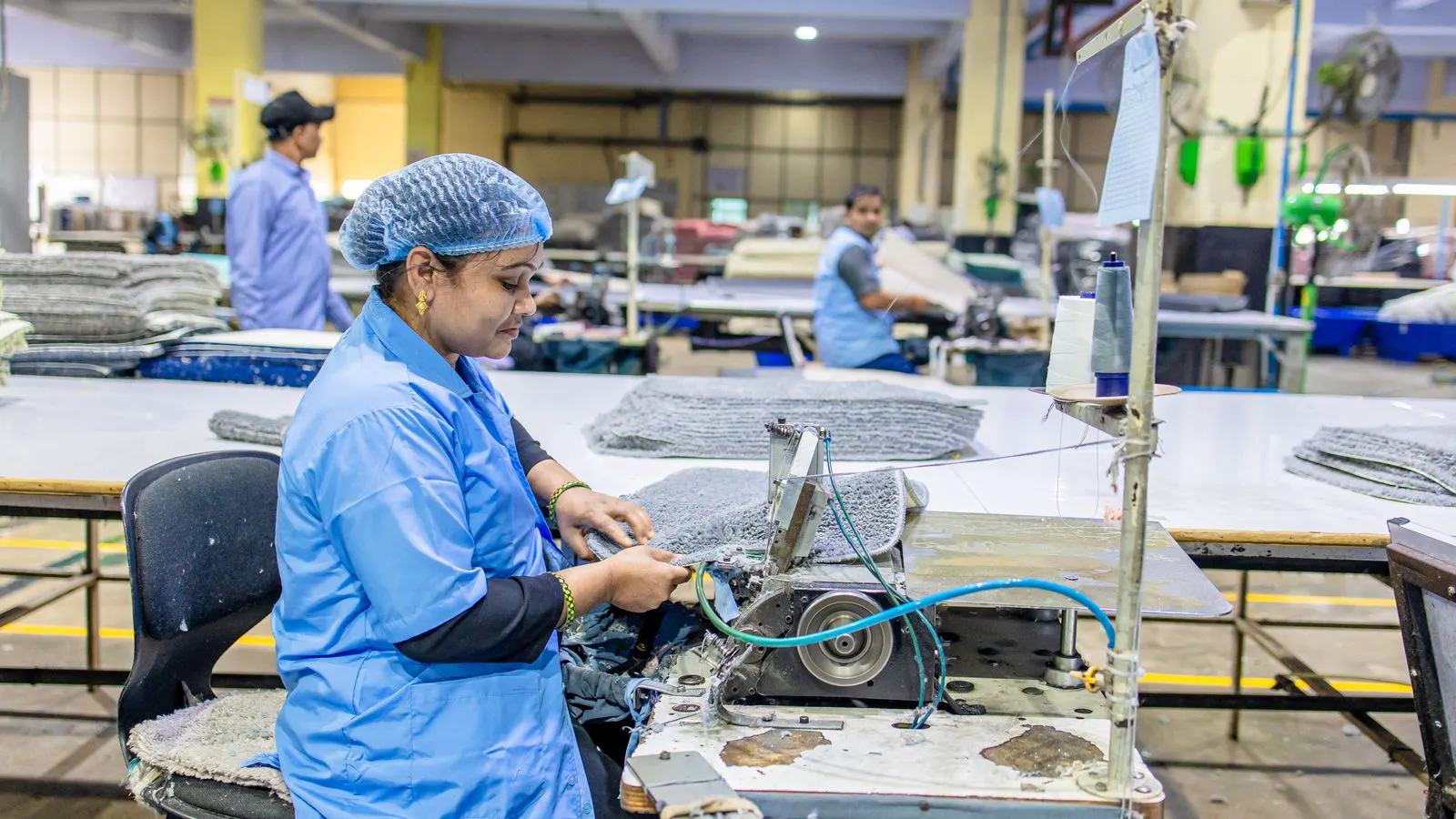
Inspect the sewing machines. The needle must be the correct type and size for the fabric. The needle must be replaced regularly. A bent or dull needle can break the thread or damage the fabric. The thread must match the fabric color and strength. The thread tension must be balanced. If the tension is too tight, the fabric will pucker. If it is too loose, the thread will loop on the inside.
Quality Control and Final Inspection
Quality control is not a single step. It is a continuous process. The first piece must be inspected at each major operation. This is called in-line quality control. The first piece must pass before the rest of the batch is produced.
Check the first piece for stitching quality, trim placement, and fabric alignment. Look for skipped stitches, loose threads, and uneven hems. The in-line inspector must sign off on the first piece. If the first piece fails, the line must stop and correct the issue.
The final inspection must be done on the finished garment. The final piece must be checked against the approved sample. Measure the garment against the spec sheet. Check the fit, the construction, and the finish. The final inspection report must be completed before the order is released for packing.
Document and Track the Process
Documentation is the record of the production process. Every check, every approval, and every correction must be recorded. The production file should contain the tech pack, the sample approval sheet, the fabric inspection report, the pattern sheet, the production plan, and the quality control reports.
Track the production progress against the plan. If the daily output is below target, investigate the cause. Is it a machine issue? An operator issue? A material issue? Document the cause and the corrective action. This helps to prevent the same issue in the future.
The production file should be stored in a central location. It should be accessible to the buyer, the factory manager, and the quality team. If there is a dispute or a quality issue, the file provides the evidence. Without documentation, it is difficult to trace the cause of a defect or to verify that the process was followed correctly.
Common Red Flags to Watch For
| Red Flag | Potential Consequence | Corrective Action |
|---|---|---|
| Sample not signed off | Production based on incorrect specs | Halt cutting, obtain signed approval |
| Fabric lot mismatch | Color or weight variation | Reject lot, request replacement |
| Pattern size error | Fit failure, fabric waste | Stop cutting, verify pattern size |
| Machine setup error | Inconsistent stitching | Recalibrate machine, re-inspect first piece |
| Operator skill gap | Quality drop, slow output | Reassign operator, provide training |
| Missing documentation | Dispute, lack of traceability | Stop process, locate or recreate file |
| Shrinkage not accounted for | Garment too small after wash | Adjust pattern, verify shrinkage data |
A pre-production checklist is a tool for prevention. It is not a formality. It is a way to ensure that the production process runs correctly from the first cut to the final inspection. When the checklist is followed, the risk of defects is reduced. The risk of delays is reduced. The cost of rework is reduced. The buyer receives the product as specified. The factory maintains its reputation. The process is efficient and controlled.
Use the checklist as a starting point. Adapt it to the specific requirements of the order. Some garments require more detailed checks than others. A simple t-shirt may not need a complex line setup. A structured jacket may require detailed inspection of every operation. The checklist must be flexible enough to handle different styles, but strict enough to catch critical issues.
Review the checklist with the line supervisor and the quality team before production begins. Walk through each item. Ensure that everyone understands their responsibilities. If there is any ambiguity, resolve it before cutting. The goal is a smooth production process that results in a high-quality garment. The checklist is the map. Follow it, and the production will reach its destination.
Frequently asked questions
Can the production start if the sample is not fully signed off?
No. Starting production without a signed sample approval creates a high risk of mass defects. The cutting room should not proceed until the final approved sample is documented and distributed to the floor.
How often should the first piece be inspected?
The first piece should be inspected at every major operation and after the final assembly. This in-line check ensures that defects are caught before they are replicated in the rest of the batch.
What is the best way to handle fabric shrinkage?
Verify the shrinkage data in the lab report and adjust the pattern size accordingly. If the fabric is not pre-shrunk, the pattern must be enlarged to account for the expected shrinkage after washing.
How should the production file be organized?
The file should be a single binder or digital folder containing all technical documents, approval sheets, inspection reports, and production plans. It must be accessible to all key personnel and kept up to date throughout the production run.
What is the role of the quality inspector during production?
The quality inspector monitors the in-line quality, checks the first piece, and performs the final inspection. They sign off on each stage and document any defects or corrections made during the process.