How to Choose a Garment Factory: A Practical Buyer Guide
Selecting the right garment factory requires checking production capacity, quality systems, and compliance standards. This guide provides a practical supplier selection framework and factory audit checklist to help buyers choose reliable manufacturing partners.
- Evaluate a garment factory by checking production capacity, quality systems, and compliance standards before placing an order.
- Conduct a factory audit to verify actual working conditions, machinery condition, and staff training against claimed capabilities.
- Use a decision checklist to compare multiple suppliers and make a data-driven choice based on quality and compliance.
What does a garment factory actually do?
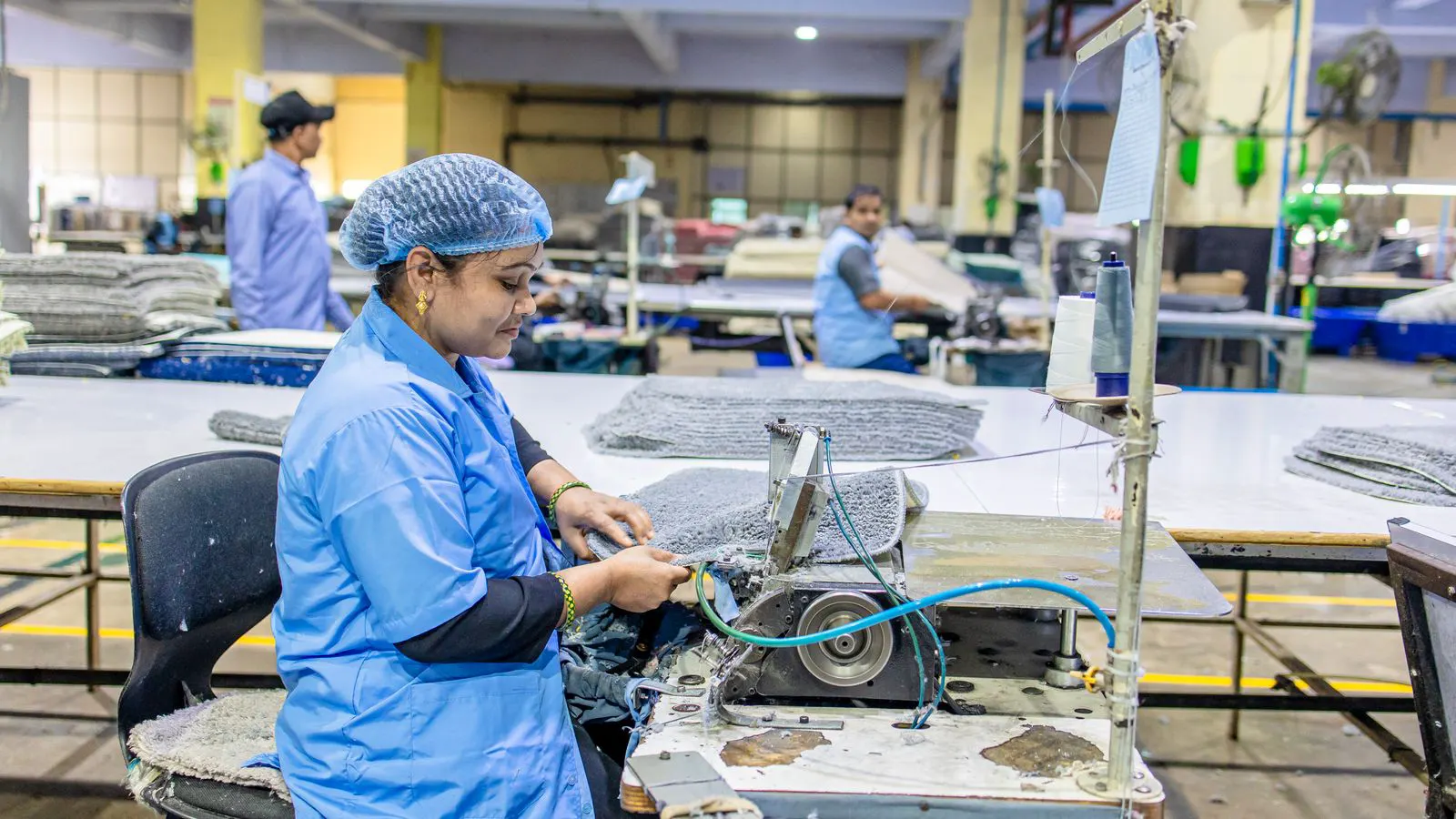
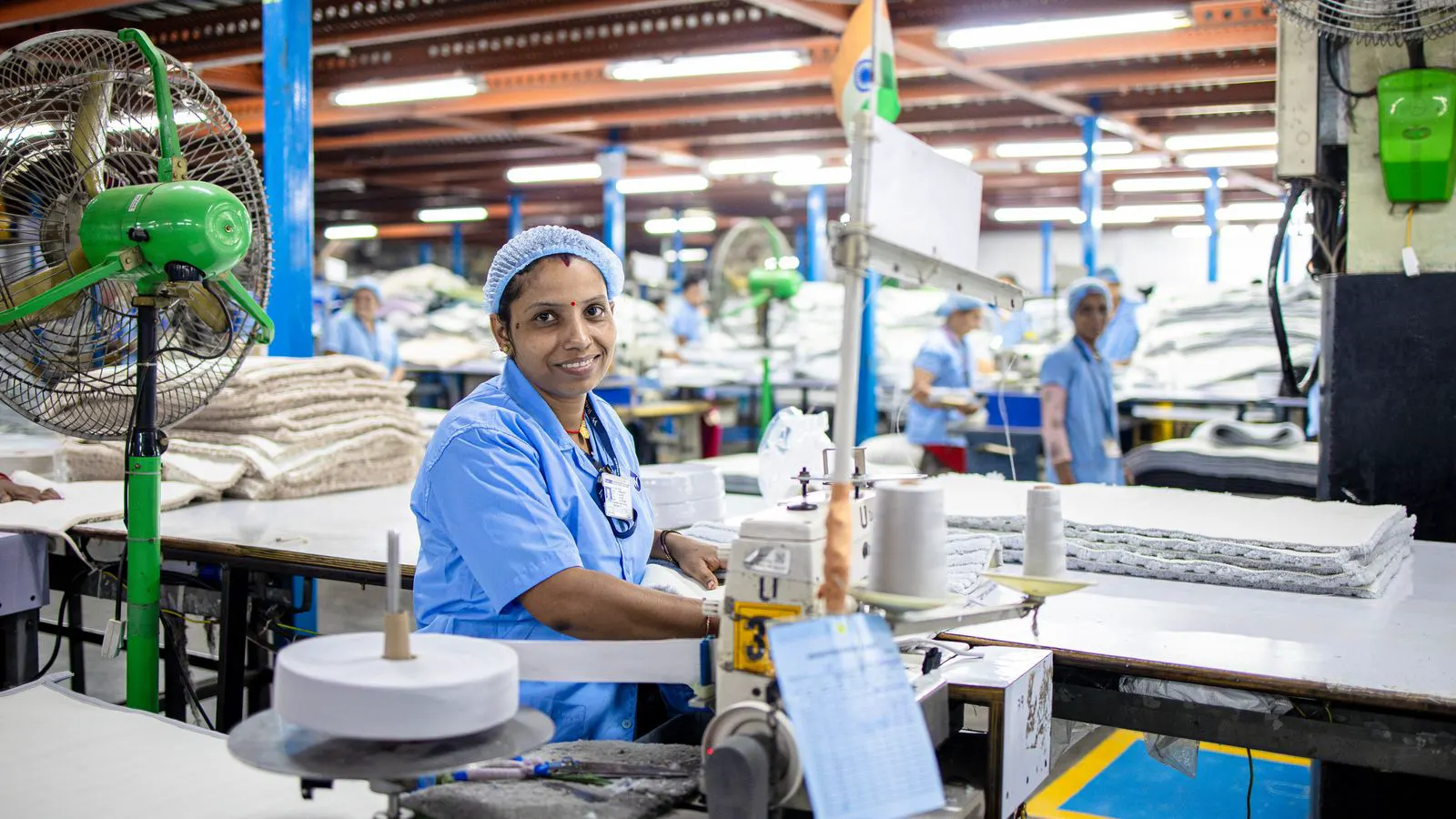
A garment factory transforms raw fabric into finished apparel through cut-and-sew operations. The facility manages pattern making, cutting, sewing, finishing, and packaging. Staff work in defined units, each responsible for specific construction steps. The flow of material moves from the fabric warehouse to the cutting floor, then to the sewing lines, and finally to the finishing area where garments are pressed, inspected, and packed.
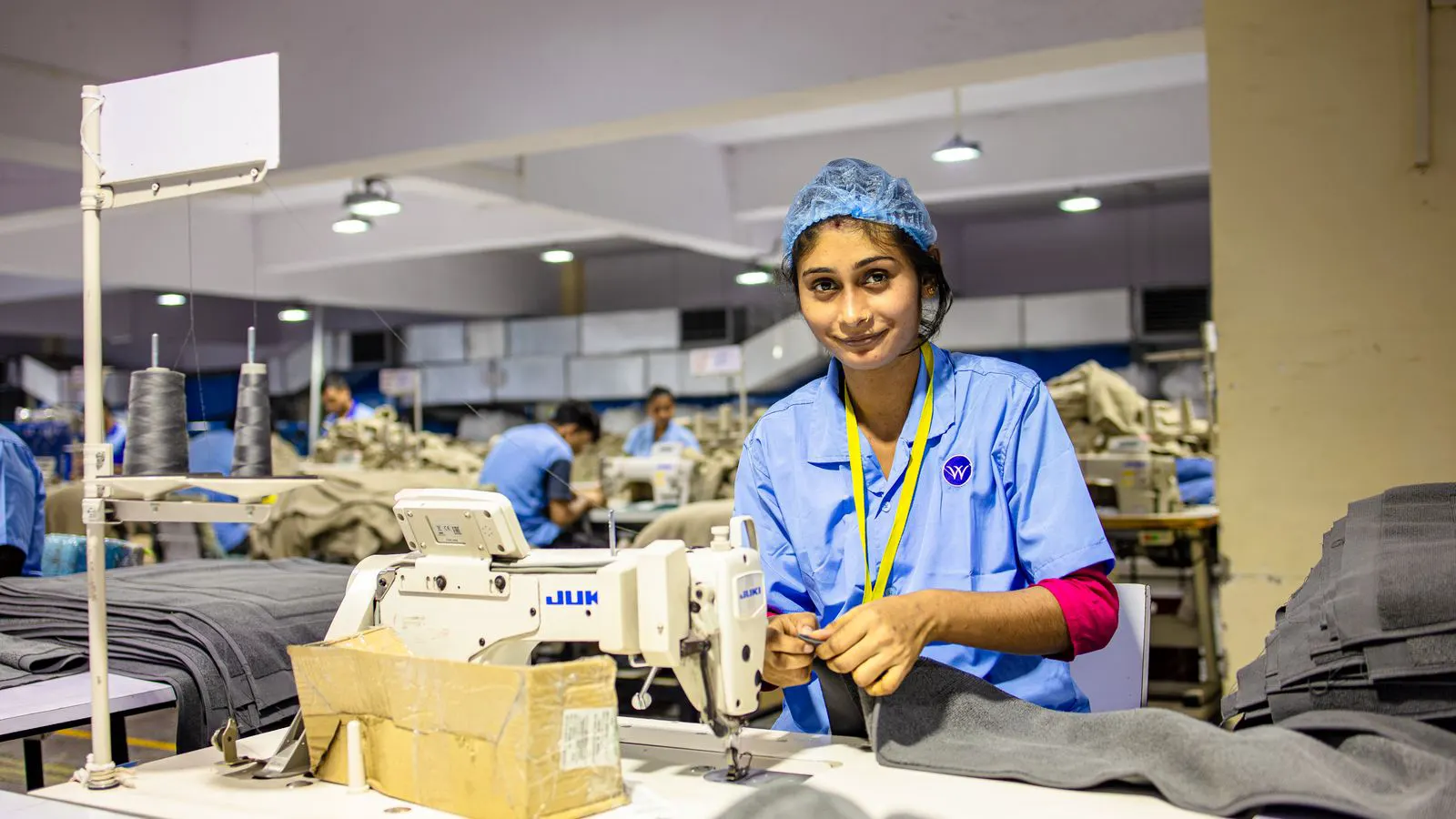
The factory floor is organized around sewing lines. Each line handles a specific garment type or style. Operators perform repetitive tasks while line leaders monitor progress. Quality control checkpoints occur at multiple stages, from fabric inspection to final garment checks. A typical line for a basic t-shirt might involve five to eight stations, including stitching, collar attachment, and hemming. A structured jacket line may require twenty or more operations, including lining attachment, buttonhole work, and final pressing.
Understanding this structure helps buyers evaluate suppliers. A factory’s layout, staffing, and workflow determine its capacity and quality consistency. Look at how the floor is divided. If cutting and sewing are in separate buildings or distant wings, material handling becomes a bottleneck. Efficient factories keep these processes close together to reduce downtime and movement errors. Observe the flow of garment bags between stations. If operators are waiting for fabric or components, the line is not running at full efficiency.
How to assess factory capacity and production speed
Factory capacity goes beyond square footage. It depends on the number of sewing machines, operator skill levels, and line efficiency. A facility with fifty machines may outperform one with one hundred if its operators are experienced and its workflow is optimized. Capacity is also limited by the number of shift workers and the number of days the factory operates per week. A factory working two shifts can double its daily output compared to one working a single eight-hour shift.
Start by asking for a production calendar. This document shows which styles are scheduled for which weeks. Compare it against your order volume and delivery timeline. If the factory is already committed to other accounts, ask about overflow capacity. Some factories run dedicated lines for overflow work, while others use their existing staff to extend hours. Determine if the factory has the physical space and power infrastructure to support additional machines during peak seasons.
Check the ratio of finished garments to sewing units. A typical line might produce between twenty and forty garments per hour, depending on complexity. Simple tees move faster than structured jackets. A basic crew-neck t-shirt with flatlock stitching can move through a line quickly. A tailored shirt with French seams and buttonholes takes significantly longer. Ask the factory to demonstrate a line in operation and note the pace. Watch the operators. Do they work steadily, or do they pause frequently to adjust machines? Count the finished garments leaving the line over a set period. This gives you a realistic baseline for your order.
What quality systems should you verify?
Quality control is a layered process. It includes fabric inspection, in-line checks, and final audit. A competent factory has written procedures for each stage. Operators follow checklists. Supervisors sign off on completed batches. The quality manual should define tolerances for measurements, stitch density, and fabric defects. Without these written standards, quality becomes subjective and inconsistent.
Ask for the factory’s quality manual. Review how defects are classified and addressed. Common defects include skipped stitches, uneven hems, and mismatched fabric pieces. The factory should have a rework area where defective garments are corrected before final inspection. Observe the rework area during a visit. If it is empty or poorly organized, the factory may be hiding quality issues. If it is full of garments with visible problems, the factory is addressing them but may need to improve its in-line processes.
Request samples from their current production. Examine the stitching, seam allowances, and finish. Look for consistent tension and clean thread ends. These details reveal the skill level of the operators and the maintenance of the equipment. Check the inside of the garment. Loose threads on the inside indicate poor workmanship. Uneven seam allowances suggest the operator is not measuring consistently. A factory that cares about quality ensures the inside of the garment is as neat as the outside.
How to conduct a factory audit
A factory audit is a structured evaluation of working conditions, compliance, and production standards. It can be internal or third-party. For most buyers, a combination of both provides the clearest picture. An internal audit by your own team allows you to verify specific technical details. A third-party audit provides an objective view of labor conditions and compliance.
During an audit, inspect the physical facility. Check the condition of sewing machines, cutting tables, and pressing stations. Well-maintained equipment produces fewer defects. Look for safety features such as machine guards and clear walkways. Inspect the cutting tables. Are they clean and level? A level table ensures accurate cutting. Check the pressing stations. Do they have the right temperature settings for the fabric types being processed?
Review the factory’s documentation. This includes quality control records, worker training files, and compliance certificates. Verify that the factory meets labor standards. Check working hours, wages, and health and safety protocols. Look for attendance records. Are working hours recorded accurately? If a worker is listed as working forty hours but is physically present for fifty, there is a compliance issue. Interview the staff. Talk to operators, line leaders, and quality inspectors. Their responses reveal the factory’s culture and problem-solving approach. A factory with engaged staff tends to have better quality and lower defect rates.
Key compliance and labor standards
Compliance is not just a legal requirement. It protects your brand and your supply chain. Most factories should comply with local labor laws and international labor standards. Non-compliance can lead to supply chain disruptions, reputational damage, and legal liability.
Review the factory’s certifications. These may include social compliance audits, environmental management systems, and safety certifications. Verify that the certificates are current and issued by recognized bodies. Check the date of the last audit. A certificate from three years ago may not reflect current conditions. Ask for the audit report, not just the certificate. The report will detail specific findings and corrective actions.
Check the factory’s code of conduct. This document outlines expectations for workers, management, and suppliers. It covers working hours, wages, health and safety, and anti-discrimination policies. A factory with a clear code and a history of compliance is a lower-risk partner. Ask how the code is communicated to workers. Is it posted in multiple languages? Do workers understand it? If the code is only in English and the workforce does not speak English, the policy is not being enforced.
How to compare multiple garment factories
When you have shortlisted several factories, compare them using consistent criteria. Create a scoring sheet. Rate each factory on capacity, quality, compliance, and communication. Use a numerical scale to make the comparison objective. Assign weights to each criterion based on your priorities. If quality is your top concern, give it a higher weight than communication.
Visit at least two or three facilities. See the production in action. Note the differences in workflow, staffing, and equipment. A factory that looks good in photos may operate differently on the floor. Observe the noise level. A very loud factory may indicate poorly maintained machines or a lack of ventilation. Check the lighting. Adequate lighting is necessary for precise stitching. Visit at different times of the day if possible. The factory may look different during a shift change compared to mid-shift.
Request a sample order. This tests the factory’s ability to meet your specifications. Evaluate the sample against your technical pack. Check dimensions, fabric usage, and finish quality. Use this data to make a final decision. A sample that meets your standards is a strong indicator of future performance. However, also consider the factory’s ability to communicate during the sample phase. Did they ask clarifying questions? Did they provide updates without being prompted?
The decision checklist
Use this checklist to finalize your supplier selection. Complete it for each factory before making a commitment.
- Capacity match: Does the factory have sufficient capacity for your order volume and timeline?
- Quality proof: Have you inspected samples and observed in-line quality checks?
- Compliance verification: Have you reviewed certifications and audit reports?
- Labor standards: Do working conditions meet your ethical requirements?
- Communication: Is the factory responsive and transparent in all interactions?
- Sample approval: Did the sample meet your technical specifications?
- Contract terms: Are payment, delivery, and quality terms clearly defined?
How to manage the relationship after selection
Choosing a garment factory is the start of a partnership, not the end. Schedule regular meetings to discuss production progress and quality metrics. Share your quality standards clearly. Provide feedback on any issues promptly. Do not wait until final inspection to raise concerns. Address issues during the production process to avoid costly rework.
Build a relationship with the line leaders and quality inspectors. These are the people who solve problems on the floor. A good relationship leads to faster resolution and better quality over time. Learn their names and roles. Understand how they identify problems. When an issue arises, you will know who to contact and how to communicate effectively.
Review performance regularly. Track defect rates, on-time delivery, and responsiveness. Use this data to make ongoing decisions about future orders. If a factory consistently misses deadlines, discuss the root cause. Is it a capacity issue, a material delay, or a management problem? Work with the factory to find a solution. If the problem persists, consider adjusting your order size or finding a secondary supplier.
| Criterion | What to look for | Why it matters |
|---|---|---|
| Production capacity | Sewing machines, line efficiency, production calendar | Determines if the factory can meet your order volume and deadline |
| Quality systems | Quality manual, in-line checks, rework area, sample inspection | Ensures consistent quality and low defect rates in finished garments |
| Factory audit | Physical facility, safety features, equipment condition, staff interviews | Reveals actual working conditions and production capabilities |
| Compliance standards | Certificates, code of conduct, labor law adherence | Protects your brand and ensures ethical manufacturing practices |
| Communication | Responsiveness, transparency, meeting frequency | Enables quick problem solving and smooth order execution |
| Sample approval | Technical pack compliance, stitching quality, finish details | Confirms the factory can meet your specific product requirements |
Final thoughts
Selecting a garment factory is a multi-step process. It requires careful evaluation of capacity, quality, compliance, and communication. Use the criteria in this guide to build a structured approach to supplier selection. Do not rely on a single interaction. Verify claims through multiple channels.
A factory audit is your best tool for verifying claims. See the production in action. Talk to the staff. Inspect the documentation. This hands-on approach reduces risk and builds confidence in your supplier choice. Pay attention to the details. The way a factory handles a small problem during an audit can reveal its overall management capability.
Use the decision checklist to compare options. Make your selection based on evidence, not just a good first impression. A well-chosen factory becomes a reliable partner in your apparel manufacturing process. Invest time in the selection process. The time spent now saves money and frustration later.
Frequently asked questions
How long does a factory audit take?
A standard factory audit can take one to two days. The duration depends on the size of the facility and the depth of the evaluation.
Can I audit a factory before placing an order?
Yes, many factories welcome pre-order audits. This allows you to verify capabilities and compliance before committing to production.
What is the difference between in-line and final quality checks?
In-line checks occur during production, while final checks are done on completed garments. Both are necessary for quality control.
How do I know if a factory is compliant with labor standards?
Review their certifications and audit reports. Conduct your own visit to verify working conditions, wages, and hours.
What should I include in my quality manual for the factory to follow?
Include defect definitions, measurement tolerances, finish standards, and inspection checkpoints. Be specific about acceptable and unacceptable quality.