FOB vs CIF: How Incoterms Affect Garment Factory Costs
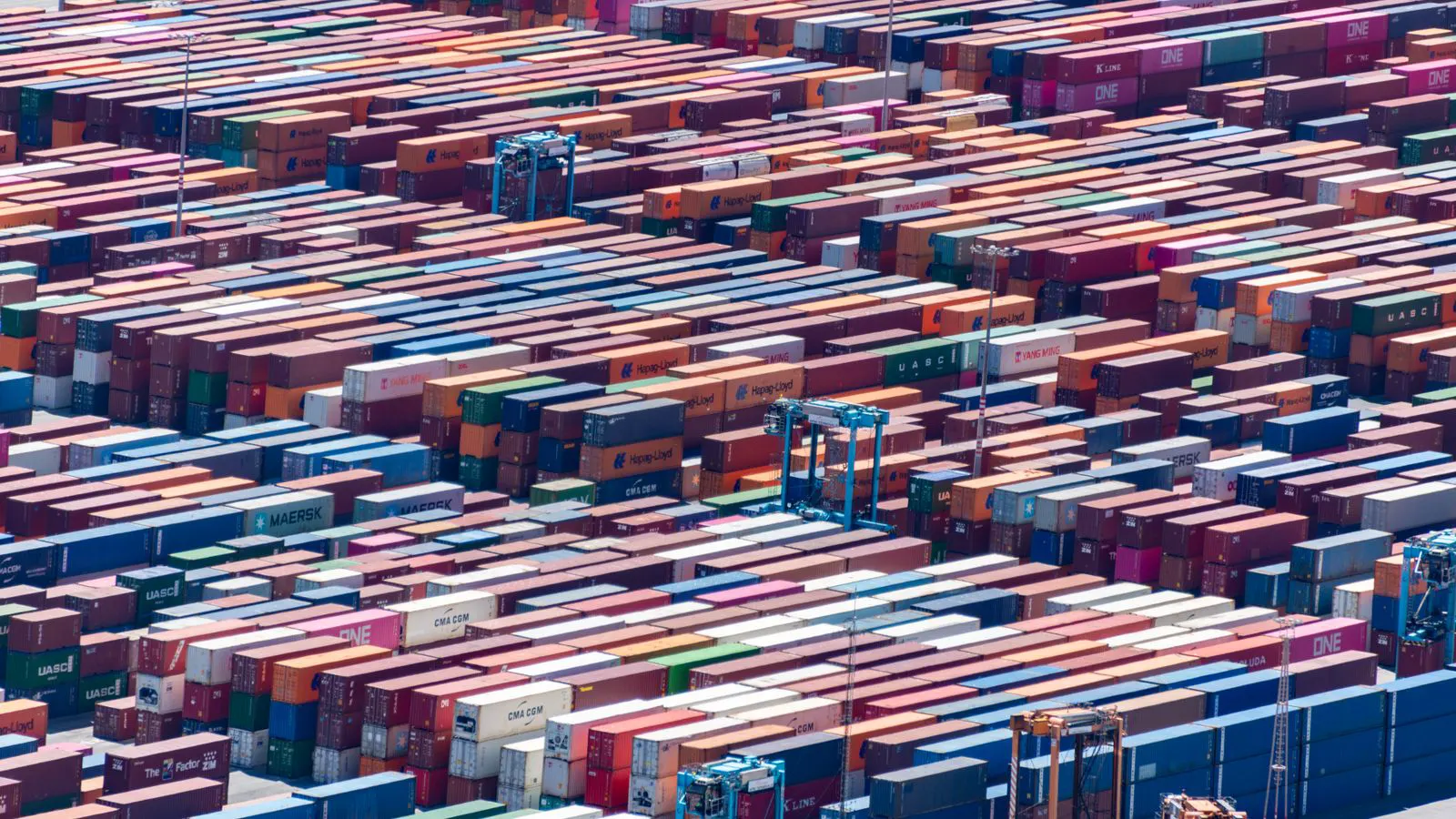
FOB vs CIF determines who pays for ocean freight and who handles export clearance. FOB keeps the factory's cost visible but shifts logistics control to the buyer. CIF includes freight in the quote but moves more risk and coordination to the supplier.
- FOB puts the buyer in control of freight, insurance, and export documentation, which often simplifies the factory invoice.
- CIF bundles ocean freight into the price, but the factory must manage carrier selection and cargo movement after shipment.
- The choice changes who bears risk of loss and where the cost of delays, insurance, or carrier changes lands.
- Compare the full landed cost, not just the unit price, because terms affect insurance, demurrage, and port handling.
What FOB and CIF actually change in a garment order
FOB and CIF are Incoterms that split the cost and risk of moving a container between the factory and the destination port. The split happens at a specific point in the logistics chain. For apparel buyers, that split changes the factory invoice, the freight budget, and the person responsible if the cargo is damaged, delayed, or misdeclared.
Under FOB, the seller is responsible for preparing the goods, clearing export customs, and loading them onto the vessel at the named port. The buyer books the ocean carrier, pays the freight, and arranges insurance. The factory’s quote covers production, fabric, trims, labor, and the cost to get the container to the port.
Under CIF, the seller does everything FOB covers. The seller also books the carrier, pays the main ocean freight, and pays marine insurance. The buyer receives the goods at the destination port, but the risk of loss transfers at the origin port, not at the destination. In practice, this means the supplier controls the shipping line while the buyer controls the customs and final delivery.
The difference is not only money. It is control. FOB gives the buyer the freight booking. CIF gives the factory the freight booking. That control affects carrier selection, cut-off times, documentation errors, and who pays when a container sits at the port.
How the factory cost structure differs under each term
The factory cost structure changes because the supplier’s obligation list gets longer. Under FOB, the supplier’s cost list is straightforward. It includes material sourcing, sewing, finishing, quality checks, export documentation, and terminal handling at the origin. The supplier’s logistics role stops when the cargo is loaded.
Under CIF, the cost structure adds ocean freight and insurance. Those costs are not fixed. They move with carrier rates, fuel surcharges, container availability, and route changes. A supplier quoting CIF must build a buffer for freight volatility, or they risk absorbing a price drop that was not in the quote.
The factory may also charge a handling fee for arranging the shipment. This fee covers contacting the freight forwarder, preparing the bill of lading, and confirming the vessel schedule. Some factories include this in the unit price. Others list it as a separate line item.
When comparing factory quotes, the unit price alone is misleading. A lower FOB price can become a higher landed cost if the buyer books expensive freight or misses a vessel cutoff. A higher CIF price can become the lower landed cost if the factory has a better rate with a major carrier.
Risk and documentation responsibilities
Risk allocation is the core of Incoterms. Under FOB, the risk transfers to the buyer once the cargo is loaded on the vessel. If the container is damaged at sea, the buyer’s marine insurance pays. If the cargo is delayed at the destination port, the buyer pays storage and demurrage.
Under CIF, the risk transfers at the origin port once the goods are loaded. The seller pays insurance, but the buyer is the insured party on the policy. If the cargo is lost or damaged, the buyer files the claim with the insurer. The seller’s liability ends at loading, but the seller’s obligation to provide insurance continues.
Documentation responsibilities also split. Under FOB, the buyer must ensure the commercial invoice, packing list, and bill of lading are correct. The buyer’s customs broker uses those documents to clear the cargo. An error in the bill of lading can delay clearance and create port charges.
Under CIF, the seller prepares the bill of lading and provides the insurance certificate. The buyer still needs the commercial invoice and packing list for import customs. If the bill of lading does not match the packing list, the destination port may hold the cargo. The factory must coordinate with the buyer to correct errors quickly.
A common mistake is assuming that the party who pays for freight owns the risk. They do not. Risk is defined by the Incoterm, not by the invoice. A buyer paying FOB freight still owns the risk from loading onward. A supplier paying CIF insurance still does not own the risk after loading.
Shipping speed and carrier control
Carrier control affects how fast the cargo moves. Under FOB, the buyer chooses the carrier. This can be a major advantage. The buyer can select a carrier with good service on a specific route, a carrier that offers guaranteed transit times, or a carrier that integrates well with the buyer’s 3PL.
The buyer can also book space earlier. In peak seasons, carriers fill out months in advance. If the factory is on a tight production schedule, the buyer can lock in a vessel before the factory finishes sewing. This reduces the chance of missing the target ship date.
Under CIF, the factory chooses the carrier. The factory may have a preferred carrier with a better rate or a better relationship. This can reduce freight cost. It can also create problems if the factory’s preferred carrier has poor service on the buyer’s destination port.
The factory may not have the same visibility into the destination port. They know the origin port well. They may not know the destination terminal’s congestion, labor conditions, or customs process. The buyer knows the destination. Under FOB, that knowledge is directly applied to the booking. Under CIF, the factory is making a shipping decision without full destination knowledge.
When to choose FOB
FOB is the default for many apparel buyers. It works well when the buyer has an in-house logistics team or a trusted freight forwarder. It works well when the buyer wants to control the carrier, the insurance, and the transit time.
FOB is best for buyers who order from multiple factories and want to consolidate shipments. If a buyer takes cargo from three factories in the same region, FOB makes it easier to book one container or a partial shipment. The buyer can compare the factories’ readiness and ship the cargo together.
FOB is also best when the buyer wants to track the cargo in real time. The buyer’s forwarder has the carrier booking. They have the tracking number. They can see the vessel schedule and the cargo status. The factory can provide the export documents, but the buyer controls the movement.
A common reason to choose FOB is when the destination port is congested. The buyer can choose a carrier that offers a reliable schedule. The buyer can also choose a destination port that is less congested. The factory’s job is to get the cargo to the origin port on time.
When to choose CIF
CIF is useful when the buyer does not have a strong logistics team. The factory handles the carrier booking and the insurance. The buyer receives the goods and pays the total amount on the invoice.
CIF is useful when the factory has a strong relationship with a freight forwarder. Many large garment factories have a dedicated logistics coordinator. They can book space at a lower rate and manage the shipment more efficiently than a small buyer can.
CIF is also useful when the buyer wants a single invoice for the full cost. The factory invoice includes production, freight, and insurance. The buyer’s finance team sees one number. There is no separate freight payment to track.
A common reason to choose CIF is when the buyer is new to international apparel. The buyer does not yet have the experience to book freight or manage the carrier relationship. CIF reduces the buyer’s logistical burden. The factory takes on the work.
Cost comparison table
| Option | Best for | Limitations |
|---|---|---|
| FOB | Buyers with in-house logistics or a trusted forwarder | Buyer must book freight, pay insurance, and manage carrier issues |
| CIF | Buyers without logistics expertise or factories with strong forwarder relationships | Factory controls carrier choice and freight cost |
| DAP | Buyers who want the factory to handle origin and destination port charges | Factory must manage destination port charges and delivery coordination |
| DDP | Buyers who want the factory to handle all customs and final delivery | Factory must handle import customs and bear destination risk |
| EXW | Buyers who want to manage all origin logistics and transport | Buyer must arrange pickup from the factory and handle export clearance |
Managing the transition between terms
The transition from FOB to CIF is not always a simple swap. It changes the contract, the invoice, and the risk allocation. The buyer must update the purchase order. The factory must update the quotation. The freight forwarder must be informed if the booking changes.
A common mistake is to change the term without updating the insurance. Under FOB, the buyer buys the marine insurance. Under CIF, the factory must buy it. If the factory does not buy the insurance, the cargo is uninsured. The buyer may assume the factory’s quote includes insurance. The factory may assume the buyer will handle it.
Another mistake is to assume that the freight cost is fixed. Carrier rates change. If the factory quotes CIF with a fixed freight cost, that cost may change before the cargo ships. The buyer may see a higher invoice than expected. The factory may face a loss if the rate rises.
The best practice is to define the freight cost in the contract. State whether the freight is fixed or variable. State who pays if the rate changes. State who pays if the vessel is delayed. State who pays if the cargo is damaged. Clear terms prevent disputes later.
How to verify the landed cost
The landed cost is the total cost of the goods once they are at the destination. It includes the factory price, ocean freight, insurance, destination port charges, customs duties, and local delivery. The landed cost is the number that matters for pricing and margin.
Under FOB, the buyer calculates the landed cost by adding the freight and insurance to the factory price. The buyer knows the freight cost. The buyer knows the insurance cost. The buyer can compare the landed cost across factories.
Under CIF, the landed cost includes the freight and insurance in the factory price. The buyer still pays destination port charges and customs duties. The buyer must compare the CIF price with the FOB price plus the buyer’s own freight cost.
A common mistake is to compare the unit price without looking at the full landed cost. A factory offering a lower FOB price may have a higher landed cost if the buyer’s freight is expensive. A factory offering a higher CIF price may have a lower landed cost if the factory’s freight is cheap.
The buyer should ask for the freight cost in writing. The factory should provide the carrier name and the freight quote. The buyer should verify the quote with their own forwarder. If the numbers do not match, the buyer should ask why.
Final decision framework
The decision between FOB and CIF is a balance of control, cost, and risk. The buyer should choose FOB when they have the logistics capability. The buyer should choose CIF when the factory has a strong logistics setup. The buyer should compare the full landed cost, not just the unit price.
The buyer should also consider the factory’s experience. A factory that has shipped CIF many times will have a process. A factory that has shipped FOB many times will have a process. The buyer should ask which term the factory handles most often. The factory’s experience affects the quality of the documentation and the reliability of the shipment.
The buyer should also consider the destination. If the destination port is congested, the buyer may want to control the carrier. If the destination port is stable, the factory may handle the shipment without issue. The buyer should consider the customs process. If the customs process is complex, the buyer may want to control the documentation.
The buyer should also consider the payment terms. FOB and CIF are often used with different payment terms. FOB is common with letters of credit. CIF is common with advance payment. The payment terms affect the risk. The buyer should align the Incoterm with the payment method.
The buyer should document the agreement in the purchase order. State the Incoterm and the named location. State who books the carrier. State who pays the insurance. State who handles export and import customs. State who pays demurrage. Clear documentation prevents disputes and delays.
Frequently asked questions
What is the main difference between FOB and CIF for apparel?
FOB means the factory loads the cargo and the buyer books the freight. CIF means the factory loads the cargo, books the freight, and pays insurance.
Which term gives the buyer more control over shipping?
FOB gives the buyer more control. The buyer books the carrier, chooses the route, and manages the freight.
Does the factory bear the risk under CIF?
No. Under CIF, the risk transfers to the buyer once the cargo is loaded at the origin port. The factory pays insurance, but the buyer is the insured.
Can a factory quote both FOB and CIF for the same order?
Yes. A factory can quote both. The buyer can compare the landed cost and the risk allocation before choosing.
What happens if the cargo is damaged at sea under FOB?
The buyer's marine insurance pays. The factory is not responsible for damage after loading.
What happens if the cargo is damaged at sea under CIF?
The buyer files a claim with the insurer. The factory's insurance covers the cargo, but the buyer is the insured party.