Social Audit Checklist: 10 Items to Verify First
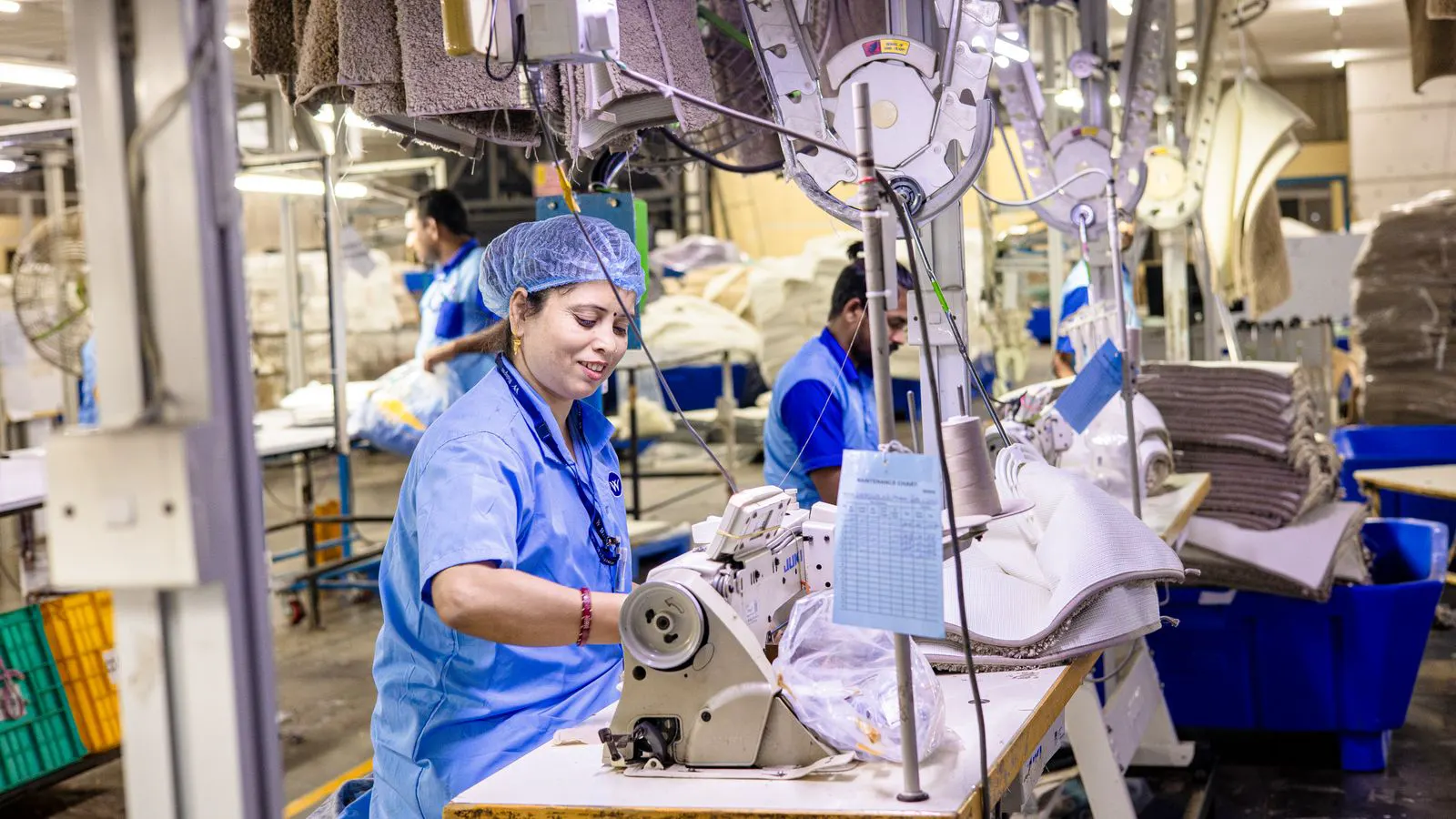
Before a factory audit, verify core labor standards and social audit evidence. This list identifies 10 high-priority documents and conditions. It helps buyers and engineers spot gaps early and reduce the risk of failed compliance checks during site visits.
- Prioritize verifying wage records, working hour logs, and safety equipment before other administrative documents.
- Cross-check employee statements with HR files to identify discrepancies in shift patterns or overtime.
- Treat missing or inconsistent records as a red flag requiring immediate follow-up, not just a minor paperwork gap.
- Focus on high-risk areas like subcontracted labor, night shifts, and emergency exits for faster, more accurate audits.
- Keep a standardized checklist so multiple buyers and audit providers can verify the same core factory compliance points.
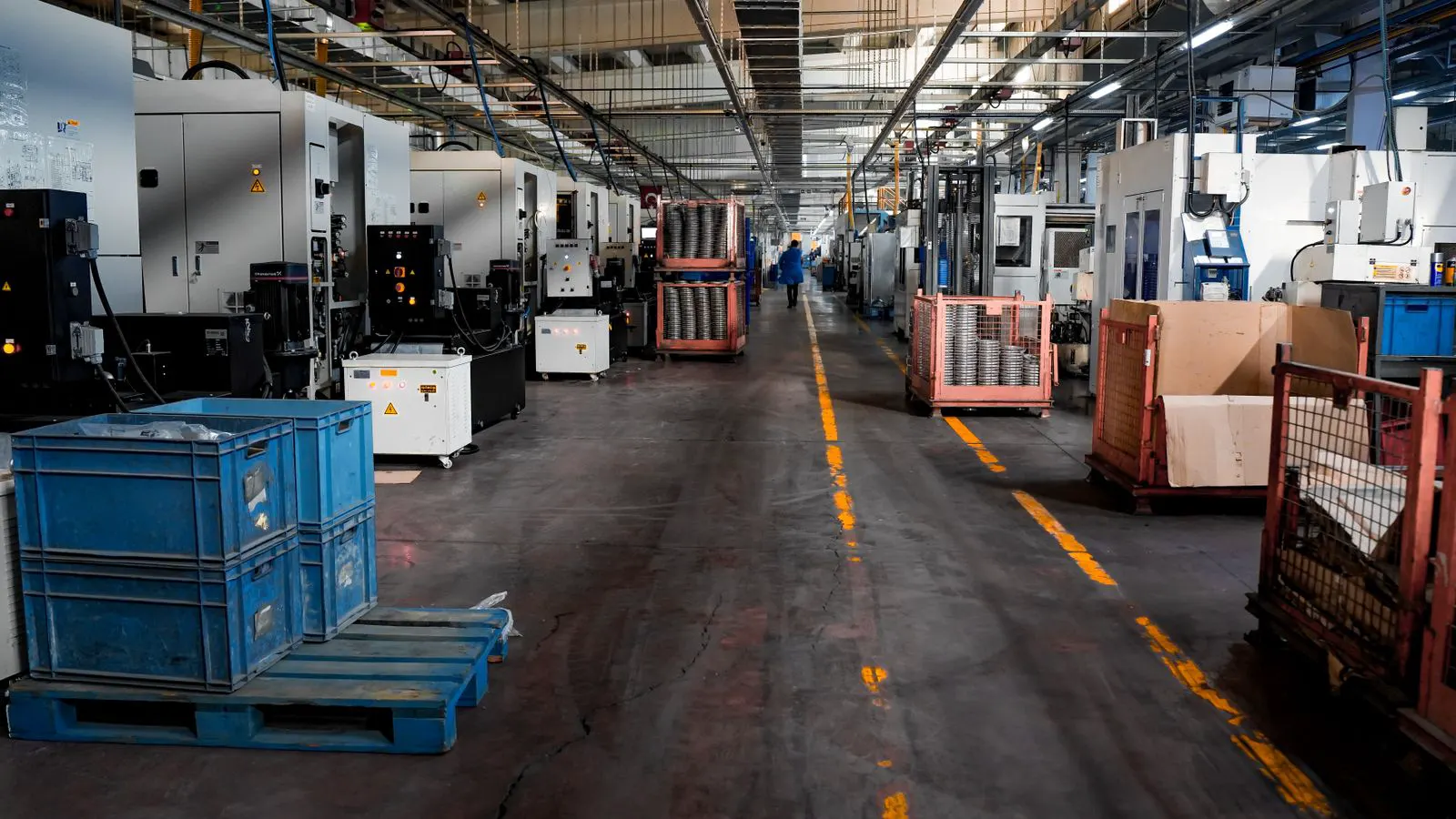
A social audit is not just a paperwork exercise. It is a physical and operational check of how a factory actually runs. Many suppliers prepare for these visits by cleaning the factory floor and printing new documents. That approach rarely works. Auditors and compliance buyers look for consistency between what is written and what is happening on the floor.
This checklist focuses on the ten items that reveal the most about a factory’s true factory compliance status. It is not a replacement for a full audit, but it gives buyers and engineers a practical starting point. These are the areas where gaps appear most often and where a failed check can stop an order or a long-term relationship.
What documents should you verify first?
Start with the administrative records that form the legal basis of the facility. These documents are the easiest to fake, but they are also the first things auditors open. If the core records are missing or contradictory, the rest of the facility is suspect.
-
Employment Registration and Legal Entity Documents
Confirm that the factory is legally registered as an employer. Check that the business license, tax registration, and labor insurance enrollment match the name and address on the building. Mismatches here suggest the facility is operating outside legal oversight or using a shell entity.
Red flag: The name on the factory sign differs from the employment contracts. The legal entity is a different company than the one that holds the export contract. -
Employee Roster and Work Permits
Pull the current employee list for the specific line or building being audited. Verify that every worker on the floor has a corresponding entry in the roster. If the factory uses subcontractors, request their rosters too. Subcontracted labor is a common blind spot for compliance issues.
Red flag: Workers are present on the floor but not on the official payroll. Workers in the cutting room are listed under a different company name. -
Workplace Health and Safety Certificates
Check for current fire safety inspections, machine safety certifications, and environmental permits. These documents should be displayed in visible areas or easily accessible in the office. Expired or missing certificates indicate the factory is not meeting local legal requirements.
Red flag: Fire extinguisher tags are expired. The machine safety inspection certificate is missing for the lockstitching machines.
How do you verify labor standards on the floor?
Labor standards are not just about wages. They are about the conditions under which workers perform their jobs. Auditors want to see that the legal requirements are met in practice. This means checking the physical environment and the daily routines of the workforce.
-
Working Hours and Overtime Logs
Review the attendance sheets for the past 30 days. Compare the recorded hours against the local labor law maximums. Look for patterns of excessive overtime, especially night shifts. Ask the workers to confirm their typical daily start and end times.
Red flag: Overtime consistently exceeds legal limits. Workers report starting work earlier than the log suggests. The attendance sheet is blank for entire days. -
Wage Payment Records
Obtain the payroll registers for the last three months. Verify that base wages meet the local minimum wage and that overtime is paid at the correct premium rates. Check for deductions that are not legally allowed, such as fines for minor production errors.
Red flag: Deductions for uniforms or tools that exceed a small percentage of the wage. Payroll records show a base wage below the minimum wage. -
Working Conditions and Safety Equipment
Walk the production floor. Check the ventilation, lighting, and cleanliness of the workspace. Verify that fire exits are unblocked and clearly marked. Test the emergency lighting and alarms if possible. Look for the presence of personal protective equipment where needed, such as safety glasses for cutting or gloves for chemical handling.
Red flag: Fire exits are blocked by fabric rolls. Lighting is dim in the cutting area. Workers are exposed to dust or fumes without respiratory protection.
What social audit indicators should you check?
Social audit measures go beyond legal compliance. They assess how the factory treats its workforce as people. This includes fairness, safety, and the right to work without pressure. Auditors look for signs of coercion or discrimination.
-
Freedom of Association and Grievance Mechanisms
Ask if the factory allows workers to form unions or worker committees. Check if there is a clear, anonymous way to report complaints or grievances. Look for a physical grievance box or a digital system. Verify that workers actually use it.
Red flag: No grievance mechanism exists. Workers are afraid to speak to the auditor. The grievance box is empty and has no records of past complaints. -
Discrimination and Harassment Policies
Review the factory’s code of conduct. Check if it explicitly prohibits discrimination based on gender, race, religion, or disability. Look for evidence that this policy is communicated to workers, such as posters or training records.
Red flag: No written policy exists. Workers report incidents of harassment but have no recourse. The factory separates male and female workers in a way that is not justified by safety.
How do you identify high-risk areas?
Not all parts of a factory carry the same compliance risk. Some areas are more likely to hide violations. Focus your verification effort on these high-risk zones.
| High-Risk Area | Key Compliance Check | Common Red Flag |
|---|---|---|
| Subcontracted Lines | Verify labor agreements and wage payments | Unregistered workers, no payroll records |
| Night Shifts | Check overtime limits and rest breaks | Workers exceeding 12-hour shifts, no rest area |
| Cutting Room | Safety equipment and dust control | No safety glasses, poor ventilation |
| Warehouse | Fire exits and load limits | Blocked exits, overloaded racking |
| Chemical Storage | Material Safety Data Sheets (SDS) | Missing SDS, no spill kit |
-
Subcontracted Labor and Piece-Rate Systems
If the factory uses piece-rate pay, verify that the rates are fair and that workers are not pressured to work excessive hours to meet targets. Subcontractors are a major source of compliance failure. Ensure that the main factory holds the subcontractors accountable for labor standards.
Red flag: Workers are paid only for output, with no minimum wage guarantee. Subcontractors are not on the main factory’s compliance list. -
Emergency Preparedness and Evacuation Plans
Check the evacuation plan. It should be posted in multiple languages and easy to understand. Verify that all workers know where the exits are. Test the alarms and check that the first-aid kits are stocked and accessible.
Red flag: Evacuation plan is in a language workers do not understand. Workers do not know the route to the nearest exit. First-aid kits are expired.
How to use this checklist effectively
This list is a starting point. Do not treat it as a one-time task. Use it during initial supplier selection, before placing a large order, and during periodic reviews. Keep a digital copy of the checklist and the evidence you collect. Photos, scanned documents, and notes should be dated and signed by the person conducting the check.
When you find a gap, do not just note it. Ask the factory for a corrective action plan with a deadline. Follow up in the next visit. If the factory cannot produce the documents or fix the issue, that is a serious warning sign. A factory that cannot manage its basic records is unlikely to manage complex quality or compliance standards consistently.
Focus on the people. Talk to workers away from supervisors. Ask about their daily lives, their wages, and their safety concerns. Their answers will often tell you more than any document.
Frequently asked questions
What is the most common reason for a failed social audit?
Missing or inconsistent working hour and wage records are the most frequent causes. Auditors look for clear, verifiable evidence that legal limits are met.
How much time should I spend on each checklist item?
Allocate 15 to 30 minutes per item. High-risk areas like subcontracting and safety equipment may require more time, especially if you need to inspect multiple lines or buildings.
Can I use this checklist for both first-time and annual audits?
Yes. For first-time audits, focus on the administrative documents and legal registration. For annual audits, focus on the working conditions and worker feedback to track changes over time.
What should I do if a factory refuses to provide documents?
Treat this as a major red flag. A compliant factory will have these documents ready. If they are not available, the factory is likely not meeting its legal obligations. Consider pausing the order or finding an alternative supplier.
How often should I update this checklist?
Review it at least once a year or whenever local labor laws change. New regulations on overtime, wages, or safety equipment can change what you need to verify.