Social Audit vs Compliance: Key Differences
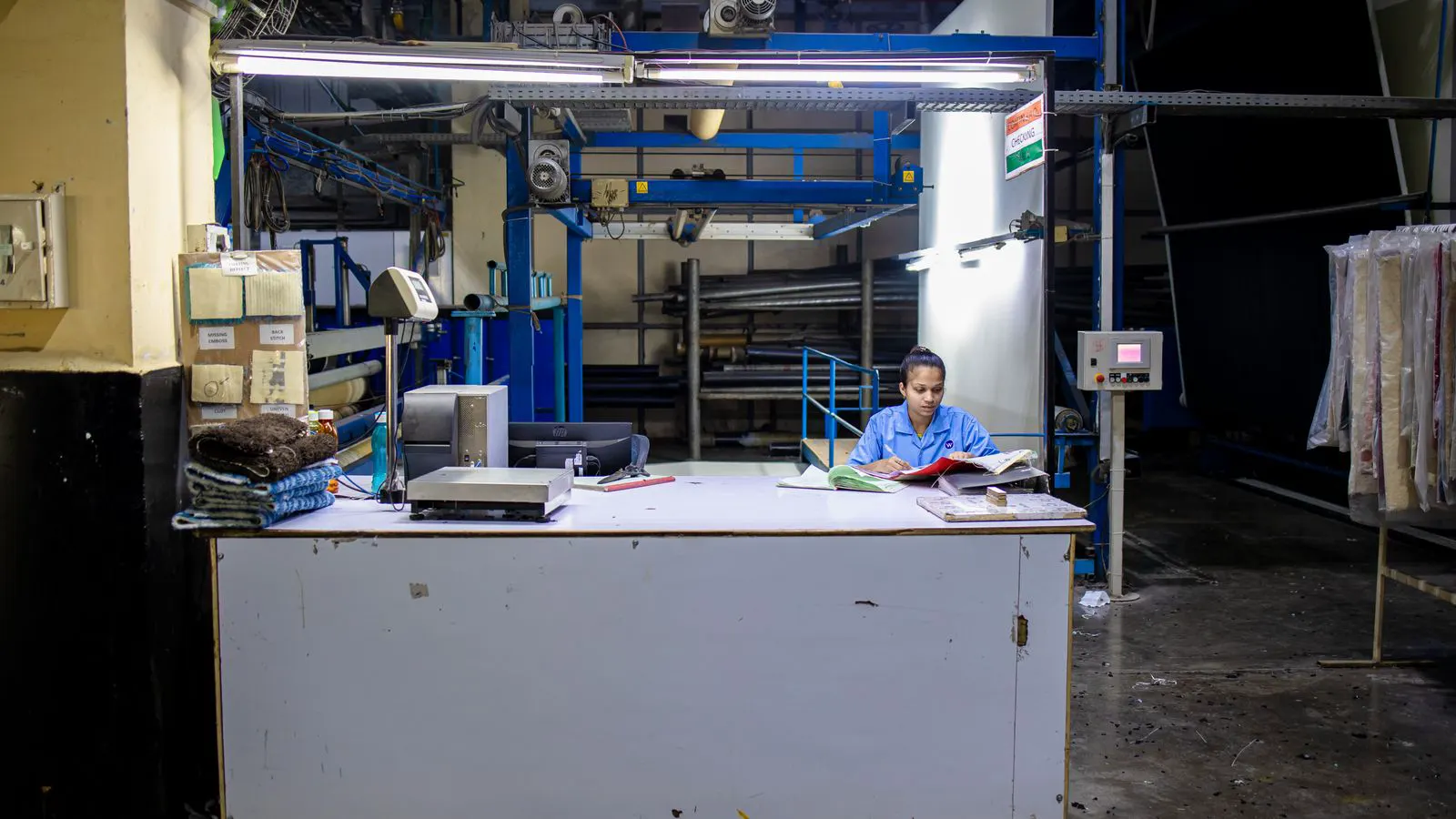
A social audit is an external inspection of a factory's labor practices, while compliance is the internal system of rules, SOPs, and records that the audit checks. One is a test; the other is the infrastructure. This distinction clarifies why audit findings reflect both real conditions and internal control failures.
- A social audit is a one-time external verification, while factory compliance is the ongoing internal system that produces the evidence.
- Auditors test whether records match reality, not just whether records exist.
- Fixing the internal compliance system reduces repeated audit failures more than prepping for the next visit.
- Ethics audits measure labor conditions against specific codes, not general corporate values.
- Clear separation between audit scope and daily compliance management prevents confusion during factory upgrades.
What is the difference between a social audit and compliance?
A social audit is a scheduled external inspection where independent assessors walk a production floor, interview workers, and review records against a specific code of conduct. Factory compliance is the internal infrastructure that makes that inspection possible. It includes standard operating procedures, time clocks, wage registers, grievance logs, and safety checklists.
The audit is the test. Compliance is the answer.
When a buyer asks for a social audit, they are not asking the factory to describe its ethics program. They are asking an outside party to verify whether the day-to-day operations match the stated standards. If the factory’s time and attendance system is broken, the audit fails even if the payroll is paid on time. If the grievance log is empty because workers are afraid to use it, the audit flags a process failure, not just an absence of complaints.
How do auditors actually test a factory?
Auditors do not rely on a single document. They triangulate data. An assessor might check a worker’s ID badge against the name on the wage register, then ask the worker about their last pay date. They will compare the number of employees on the production floor with the headcount in the compliance manual. They will inspect the fire extinguisher tags, not just the fire safety training log.
This means the internal compliance system must be operational, not decorative.
Common audit failure points include:
- Time and attendance records that do not match the number of workers on the floor.
- Wage registers that lack itemized breakdowns for overtime and allowances.
- Health and safety records that are filed but not updated after a near-miss incident.
- Worker interview sessions that are conducted in a language the workers do not fully understand.
If the factory’s compliance system is weak, the audit will surface these gaps. The audit does not create the problem; it reveals it.
How does factory compliance differ from an ethics audit?
Factory compliance is broader than labor. It covers environmental controls, product safety, and supply chain traceability. An ethics audit, often used as a synonym for social audit, focuses specifically on human rights, labor standards, and workplace dignity.
The distinction matters when a factory is upgrading its systems. A compliance manager might spend months building a waste reduction tracking system to meet environmental codes. That work does not directly affect the social audit score for forced labor or wage theft. Conversely, fixing a wage payment delay improves the social audit but does not address a chemical disposal violation.
Many factories conflate the two. They build one large “sustainability” file and assume it covers all bases. Auditors separate the streams. A factory can be compliant on environmental controls but fail a social audit because the canteen food is below the required nutritional standard.
Comparison of audit approaches
Different buyers and brands use different frameworks. The table below compares common approaches and their trade-offs.
| Option | Best for | Limitations |
|---|---|---|
| Internal Compliance Audit | Factories that want to catch errors before external review. | Lacks independence; staff may hide issues from managers. |
| Social Audit (External) | Buyer requirements; certification maintenance; due diligence. | One-time snapshot; findings may not reflect long-term trends. |
| Ethics Audit (Focused) | Specific labor concerns such as forced labor or child labor. | Narrow scope; may miss broader compliance gaps. |
| Supplier Code of Conduct Review | Large brands with hundreds of suppliers; standardized expectations. | Vague standards; difficult to measure progress. |
| Third-Party Verification | High-risk categories; new supplier onboarding; dispute resolution. | Higher cost; slower turnaround; limited frequency. |
When to use an internal compliance audit
Internal audits are useful for routine maintenance. They help factory managers identify small drifts in records before they become major findings. A weekly check of the grievance log is an internal compliance activity. It keeps the system alive.
However, internal audits have a blind spot. If the manager conducting the audit is also the one responsible for the process, they may not flag a deficiency. This is why external social audits are required for major brands. The external observer brings a neutral perspective.
When to use an external social audit
External social audits are mandatory for most global apparel buyers. They are the gatekeeper for new supplier onboarding and annual certification. The assessor has the authority to stop production, request worker interviews, and issue corrective action plans.
The limitation is frequency. Most factories are audited once or twice a year. In the months between audits, the factory must rely on its internal compliance system to maintain standards. The audit is a checkpoint, not a continuous monitor.
When to use a focused ethics audit
Some brands or NGOs run focused ethics audits to test specific high-risk issues. For example, a brand might commission a separate check on child labor in a region with historical concerns. This approach is more targeted than a full social audit.
It is also useful for dispute resolution. If a worker alleges wage theft, a focused ethics audit can investigate that specific claim without opening the entire compliance file. This protects the factory from a full-scale audit failure if the issue is isolated.
How does a social audit relate to corrective action?
After an external social audit, the factory receives a report. The report lists findings, usually categorized by severity. A finding might be a “major” issue, such as an underage worker on the floor, or a “minor” issue, such as a missing fire extinguisher tag.
The corrective action process is where compliance and audit meet. The factory must write a corrective action plan (CAP). This plan includes specific actions, deadlines, and responsible parties. It is not a generic statement. It must be verifiable.
A weak CAP might say, “We will improve worker communication.” A strong CAP says, “We will install a multilingual grievance box in the canteen and train two supervisors in Spanish by the next audit date.”
The next social audit will check whether the CAP was implemented. If the factory fails to follow up, the finding may be repeated or upgraded. This is why fixing repeated social audit failures requires changing the internal system, not just writing a better report.
What does a social audit actually measure?
A social audit measures alignment with a specific code of conduct. It does not measure a factory’s general “goodness.” It measures whether the factory meets the minimum thresholds set by the buyer or a certification body.
The audit typically checks:
- Working hours and overtime limits.
- Wage payments and deductions.
- Child labor and forced labor indicators.
- Freedom of association and union access.
- Health and safety conditions.
- Worker grievance mechanisms.
Each of these areas has specific evidence requirements. The audit is not a judgment of character. It is a measurement of process. If the process is documented and consistent, the audit passes. If the process is broken, the audit fails.
This is why the internal compliance system is the real product. The audit is just the delivery mechanism.
How to align internal compliance with audit requirements
Factories often struggle with the gap between daily operations and audit preparation. The solution is to integrate audit requirements into daily workflows.
- Map audit criteria to daily tasks. For example, if the audit checks wage registers, the payroll team must update the register weekly, not just before the audit.
- Train supervisors on evidence. A supervisor who knows which documents prove a process can identify gaps early.
- Run mock audits internally. Simulate an auditor visit to test the response.
- Review corrective actions from previous audits. Ensure the same findings do not recur.
- Communicate audit results to the workforce. Workers who understand the standards are less likely to be surprised by findings.
This approach treats the social audit as a continuous process, not a once-a-year event. The internal compliance system becomes the engine, and the audit becomes the feedback loop.
When a factory aligns these two, the audit becomes manageable. The factory is not guessing what the auditor will ask. It already has the answer.
Frequently asked questions
Can a factory pass a social audit without a formal compliance system?
No. Auditors check for evidence of processes. Without a formal system, the factory cannot produce the records, logs, and documentation required to prove compliance.
Is an ethics audit the same as a social audit?
They are often used interchangeably, but an ethics audit can be more focused on labor and human rights, while a social audit may include broader environmental and safety checks.
How often should a factory conduct internal compliance audits?
Most factories conduct internal audits quarterly or monthly, depending on size and risk. The frequency should be high enough to catch drift before the external audit.
What is the most common reason for a social audit failure?
Data integrity issues, such as time and attendance records that do not match the actual number of workers on the floor.
Does a social audit replace internal compliance management?
No. The audit is a verification tool. Internal compliance management is the ongoing process that maintains standards between audits.