What is a Garment Factory: A Structural Explainer
A garment factory is a structured plant where fabric moves through cutting, sewing, finishing, and quality control. Understanding its layout reveals where delays and defects occur. This explainer maps each zone to its role in the production process and sourcing decisions.
- A garment factory is organized around the flow of fabric from raw material to finished goods.
- The production process typically moves through cutting, sewing, pressing, and finishing in a fixed order.
- Factory layout determines how quickly samples convert to bulk orders and where quality risks concentrate.
- Sourcing decisions should consider how the physical structure supports the specific garment type you buy.
A garment factory is not just a building with sewing machines. It is a structured plant where fabric, thread, and labor move through a defined sequence of operations. The physical layout of that plant determines how fast a style moves from sample to shipment, where defects are caught, and where costs accumulate.
When buyers visit a plant, they often focus on the sewing floor. That is only one part of the system. The cutting room, warehouse, finishing line, and quality inspection stations all shape the final output. Understanding how these zones connect is the first step in evaluating a supplier.
What zones make up a garment plant
Most apparel manufacturing sites divide space into functional zones. Each zone handles a specific stage of the production process. The order of these zones determines the flow of work.
The cutting room is where fabric is laid out, measured, and cut into pattern pieces. It usually sits near the fabric warehouse so that material moves with minimal handling. Large cutting tables or automated cutting machines occupy this space. The layout here affects how many pieces can be cut per shift and how well the fabric is aligned.
The sewing area is the largest zone in most plants. It is organized into production lines, each line handling a specific garment style. Operators sit at machines arranged in rows or U-shapes. The sewing area connects directly to the cutting room and the finishing area. If this flow is interrupted, work piles up at one station and idles at the next.
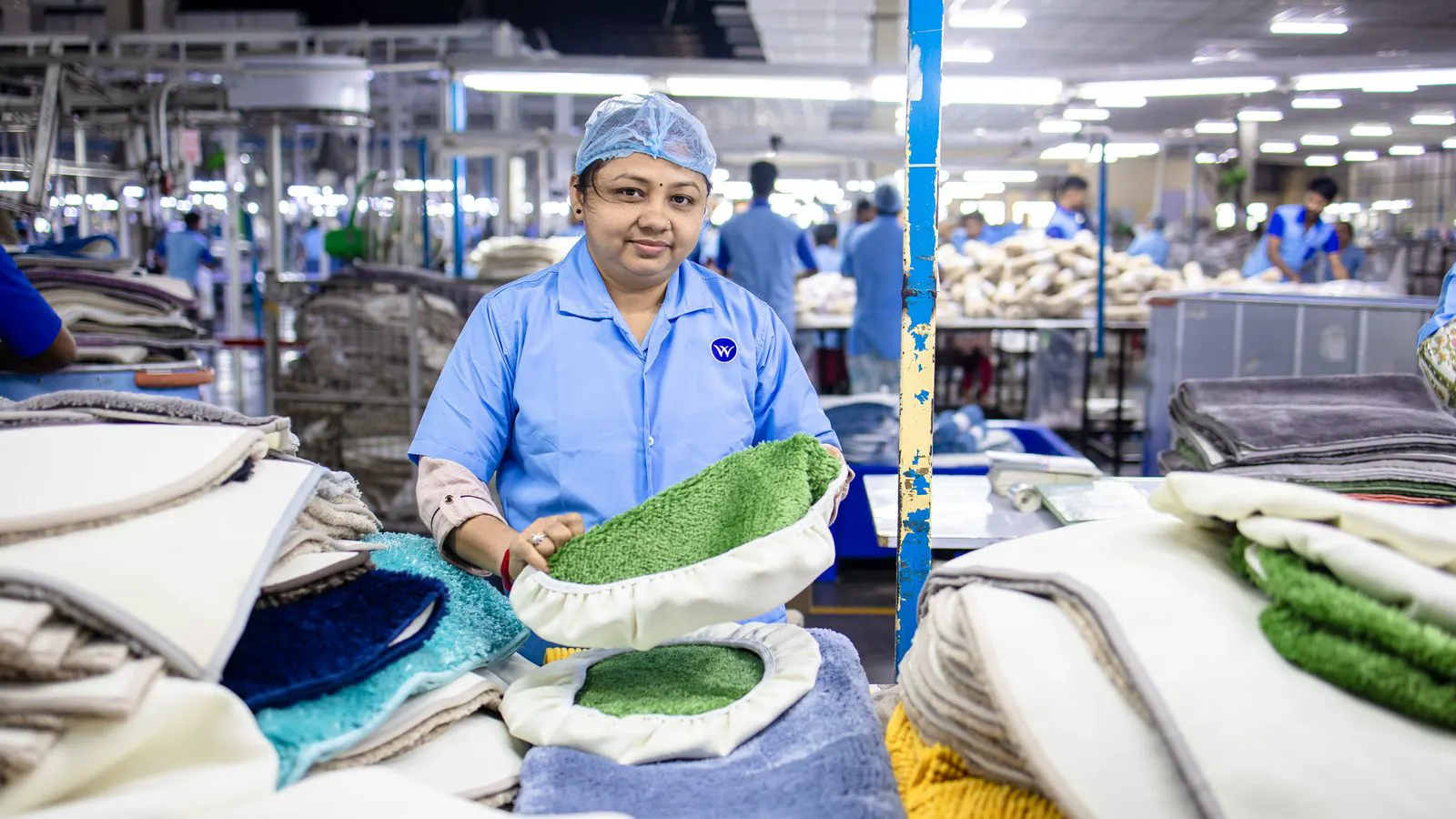
The finishing zone handles pressing, steaming, trimming, and final assembly of the garment. This is where hangers are attached and garments are folded or bagged. The quality control area usually sits near the end of the finishing line. Inspectors check garments against a standard before they move to the packing station.
The packing area is where finished units are packed into cartons, labeled, and staged for shipment. It often has a separate warehouse for inbound fabric and finished goods. The shipping dock connects the packing area to the outside world.
| Zone | Primary Function | Common Sourcing Risk |
|---|---|---|
| Cutting Room | Fabric layout and cutting | Misaligned patterns, fabric waste |
| Sewing Area | Assembly of garment parts | Inconsistent stitching, line bottlenecks |
| Finishing Line | Pressing, trimming, final assembly | Wrinkles, missing details |
| Quality Control | Inspection against standard | Defects escaping to packing |
| Packing and Shipping | Carton preparation and dispatch | Shipping delays, damaged goods |
How the layout affects the production process
The physical arrangement of these zones is not arbitrary. It is designed to keep fabric moving in one direction, from raw material to finished product. When a plant follows this flow, each zone feeds the next without backtracking.
In a typical layout, fabric arrives from the warehouse, moves to the cutting room, then to the sewing lines. Sewn garments go to finishing, then to quality control, then to packing. This linear flow is the backbone of the production process.
Some plants use a U-shaped layout for sewing. In this setup, work moves in a loop, and the final operator hands the finished garment to a nearby finishing station. This reduces the distance the garment travels and can speed up the line. Other plants use straight lines, where work moves in one direction from start to finish.
The distance between zones matters. If the cutting room is far from the sewing area, fabric waits on the floor. If quality control is separated from the finishing line, defects are caught later, which makes correction more expensive. A well-designed layout keeps materials moving and keeps errors close to the point of origin.
What the cutting room tells you
The cutting room is the first point where fabric becomes garment-ready. It sets the foundation for the entire order. If the cutting is off, the sewing line works with incorrect pieces.
Buyers should look at how fabric is stored and handled in this area. Rolls of fabric should be stacked neatly and labeled. Cutting tables should be level and clean. If the room is cluttered, it is harder to lay out patterns accurately.
The type of cutting method also matters. Manual cutting uses blades and templates. It is common for small batches or complex styles. Automated cutting uses computer-guided blades or lasers. It is faster for large runs and reduces waste. The choice depends on the garment type and order volume.
Fabric waste is a cost factor here. A cutting room that is poorly organized may cut more fabric than needed. This increases the cost per unit. When evaluating a supplier, ask how they manage fabric layout. Do they use computerized pattern placement? How do they handle defects in the fabric roll?
What the sewing floor reveals
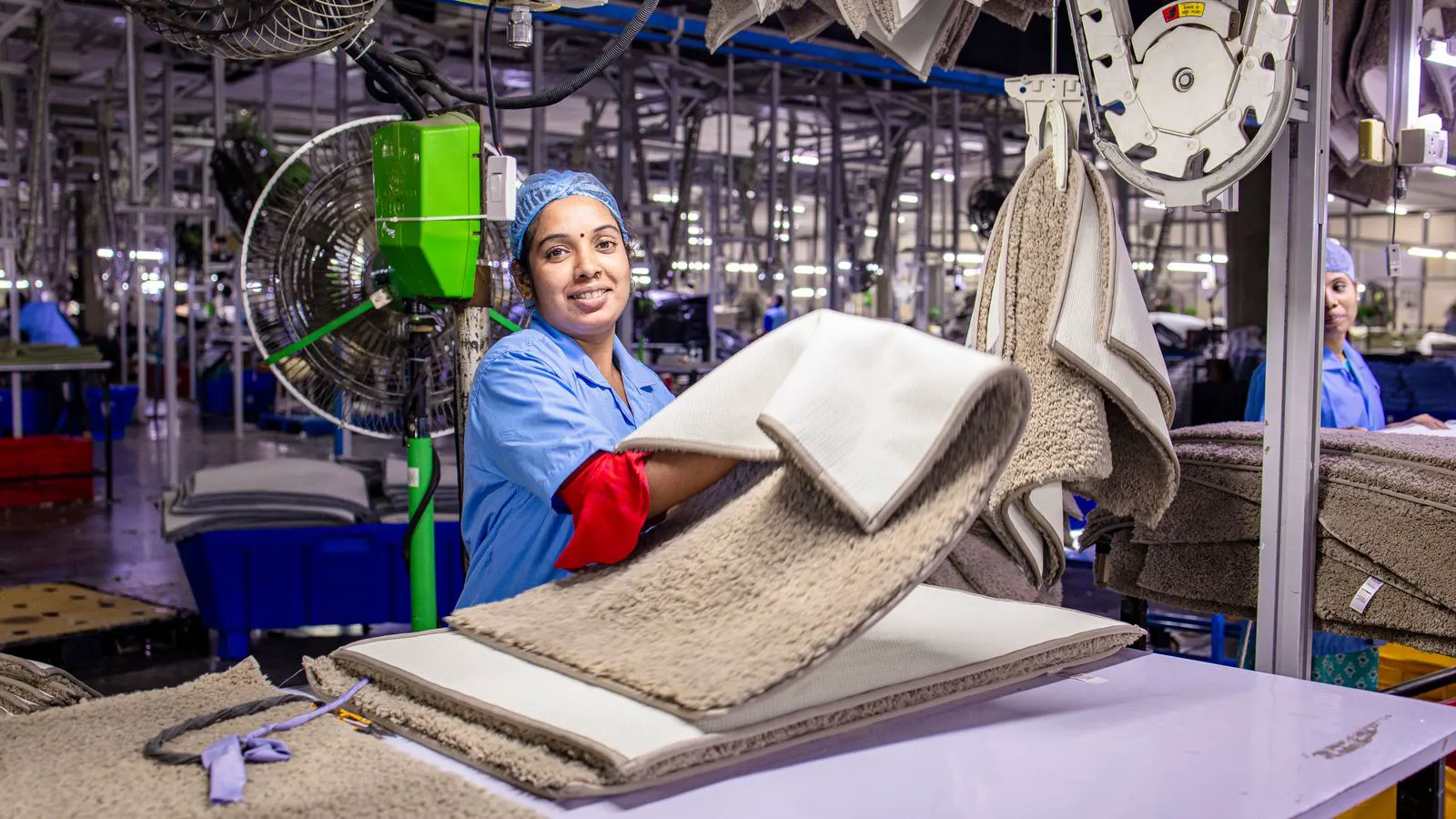
The sewing floor is where the garment takes shape. It is the most labor-intensive part of the plant. The layout of this area directly affects output and quality.
Sewing lines are usually grouped by style. Each line has a set of machines, each assigned to a specific operation. For example, one machine may do collar attachment, another may do sleeve stitching, and another may do buttonholes. The operators work in sequence, passing the garment from machine to machine.
The number of operators per line and the balance of operations determine the line speed. If one operation takes longer than the others, the line slows down. This is called a bottleneck. A well-managed sewing floor balances the time required for each step.
Quality on the sewing floor depends on machine setup and operator skill. Machines need regular maintenance. Threads must be the correct type and tension. Operators must be trained on the specific style. If the sewing floor is crowded or poorly lit, mistakes increase.
When you visit a plant, watch how garments move through the line. Are they piling up? Are operators waiting for pieces? Is the area clean? These details tell you more than any brochure.
Where quality control fits in
Quality control is not a single station. It is a system that runs through the factory. In a well-run plant, inspections happen at multiple stages.
First inspection happens after cutting. Operators check that each piece matches the pattern. Second inspection happens during sewing. Line supervisors or quality inspectors walk the floor and check stitching, thread tension, and alignment. Final inspection happens at the finishing line. Inspectors check the complete garment against a sample or standard.
The location of these checks determines how early defects are caught. If a defect is found at final inspection, the garment may need to be sent back to sewing. This costs time and labor. If the same defect is caught during sewing, it can be fixed immediately with less cost.
Buyers should ask where inspections occur and who performs them. Is there a dedicated quality team? Are inspection records kept? A plant that skips intermediate checks often has higher defect rates at shipment.
How the layout changes with garment type
Not all garment factories are built the same. The layout adapts to the product. A plant that makes simple T-shirts has a different structure than one that makes tailored jackets.
T-shirts are cut from large rolls of knit fabric. The cutting room is often simpler, with fewer pattern pieces. Sewing lines are shorter, with fewer operations. Finishing is minimal, mostly pressing and bagging. The flow is fast and direct.
Tailored garments require more operations. A jacket may have a lining, interlining, buttons, and multiple seams. The cutting room must handle different fabrics and trims. The sewing floor has more machines and more specialized stations. Finishing includes more pressing and detailing. The layout is more complex because the production process has more steps.
A supplier that specializes in one garment type will have a layout optimized for that type. A generalist plant may handle more styles but may not be as efficient for any single one. When sourcing, match the factory structure to your product.
What to check before placing an order
Before signing a contract, understand how the factory is built. The physical structure determines the production process and the risk profile of your order.
Look at the flow of materials. Does fabric move from warehouse to cutting to sewing without backtracking? Are zones close enough to keep materials moving? If there are long walks or crowded corridors, efficiency suffers.
Check the balance of the sewing lines. Are operations evenly distributed? Is there a clear path for finished garments to reach finishing? If work piles up at one station, the line is unbalanced.
Ask about quality control placement. Are inspections at cutting, sewing, and finishing? Who performs them? How are defects recorded and corrected?
The factory layout is the skeleton of the plant. It supports the production process from start to finish. When you understand the structure, you can predict how the order will move and where problems might arise.
A garment factory is a system of connected zones. Each zone has a role in the production process. The layout of these zones determines speed, quality, and cost. When you choose a factory, you are choosing this structure. It shapes the order you receive.
Frequently asked questions
What is the difference between a cutting room and a sewing area?
The cutting room prepares fabric into pattern pieces. The sewing area assembles those pieces into garments. They are separate zones that feed each other in sequence.
How does factory layout affect production speed?
A linear layout where zones are close together reduces travel time. If zones are far apart or disconnected, materials wait and lines slow down.
What is the role of quality control in a garment factory?
Quality control inspects garments at multiple stages to catch defects early. It reduces the cost of rework and prevents bad units from reaching the customer.
How does garment type change the factory structure?
Simple garments like T-shirts need fewer operations and a shorter flow. Complex garments like jackets require more sewing stations and more finishing steps.
What should a buyer look for in the sewing floor?
A balanced line with no bottlenecks, clean and well-lit stations, and a clear path for garments to move to finishing.