Choosing a Factory: 6 Key Questions to Ask First
Effective factory selection depends on asking six specific questions during the interview. This guide provides the exact questions to ask a garment manufacturer to verify capacity, compliance, and quality control before placing an order.
- Ask for recent audit reports and machine maintenance logs to verify compliance and reliability.
- Evaluate the factory's communication cadence and language skills to manage production updates.
- Check if the facility can handle specific trims and fabric types you plan to use.
- Visit the finishing and inspection area to see the final quality control process.
- Review the contract terms for penalties and payment milestones before signing.
Selecting a supplier is a high-risk decision. A poor match can cause delays, quality defects, and financial strain. You need a structured process to vet potential partners. This guide provides six questions to ask during a factory interview to identify reliable manufacturers.
1. Can you provide recent audit reports and compliance certificates?
Compliance is a baseline requirement for any long-term partnership. Ask the supplier for their most recent third-party audit reports. Look for documentation that covers labor standards, environmental regulations, and safety protocols.
Do not rely solely on verbal assurances. Request the specific dates and scope of these audits. A reputable garment manufacturer will share these documents without hesitation. If they are reluctant, treat it as a red flag.
You should also ask about their corrective action plan. If an auditor found issues, how did the factory fix them? This shows accountability and a commitment to continuous improvement. Check the certificates for expiration dates. Expired documents indicate a lapse in compliance management.
| Criterion | What to look for | Why it matters |
|---|---|---|
| Labor Compliance | Recent third-party audit reports | Ensures ethical working conditions and reduces brand risk |
| Environmental Standards | Certificates for waste and water management | Meets global regulations and consumer expectations |
| Safety Records | Incident logs and training materials | Prevents workplace accidents and production stoppages |
| Financial Health | Proof of insurance and banking references | Protects you from supplier bankruptcy or fraud |
2. What is your current production capacity and lead time?
Capacity and lead time determine if the factory can meet your deadlines. Ask for a breakdown of their current order volume. If they are already at 90 percent capacity, your order will likely face delays.
Request a sample production schedule. See how they allocate time for cutting, sewing, and finishing. Ask what happens if a machine breaks or a shipment is late. They should have a backup plan for critical equipment and raw materials.
A realistic answer will include buffer time. If you need 30 days, ask for 40. This margin absorbs unexpected issues. Check if their lead time includes the time to source trims and fabrics. Some factories add this time; others do not. Clarify who is responsible for procurement.
3. How do you handle quality control at every stage?
Quality control is a process, not a final check. Ask where inspection happens. You want to know about incoming fabric inspection, in-line checks during sewing, and pre-shipment inspection.
Request their acceptance criteria. What are the tolerances for stitching, color, and measurement? Ask for a sample of their inspection report. See if they use statistical sampling methods or 100 percent inspection.
Talk about defect rates. Ask what their standard defect rate is for similar garments. If they claim zero defects, be suspicious. No factory is perfect. A good supplier will discuss their typical issues and how they mitigate them. They should be able to show you a quality control manual or SOP.
4. What is your experience with fabric types and trims?
Not all factories specialize in the same materials. If you are using heavy denim, you need a factory that handles it. Ask about their experience with your specific fabric weight and composition.
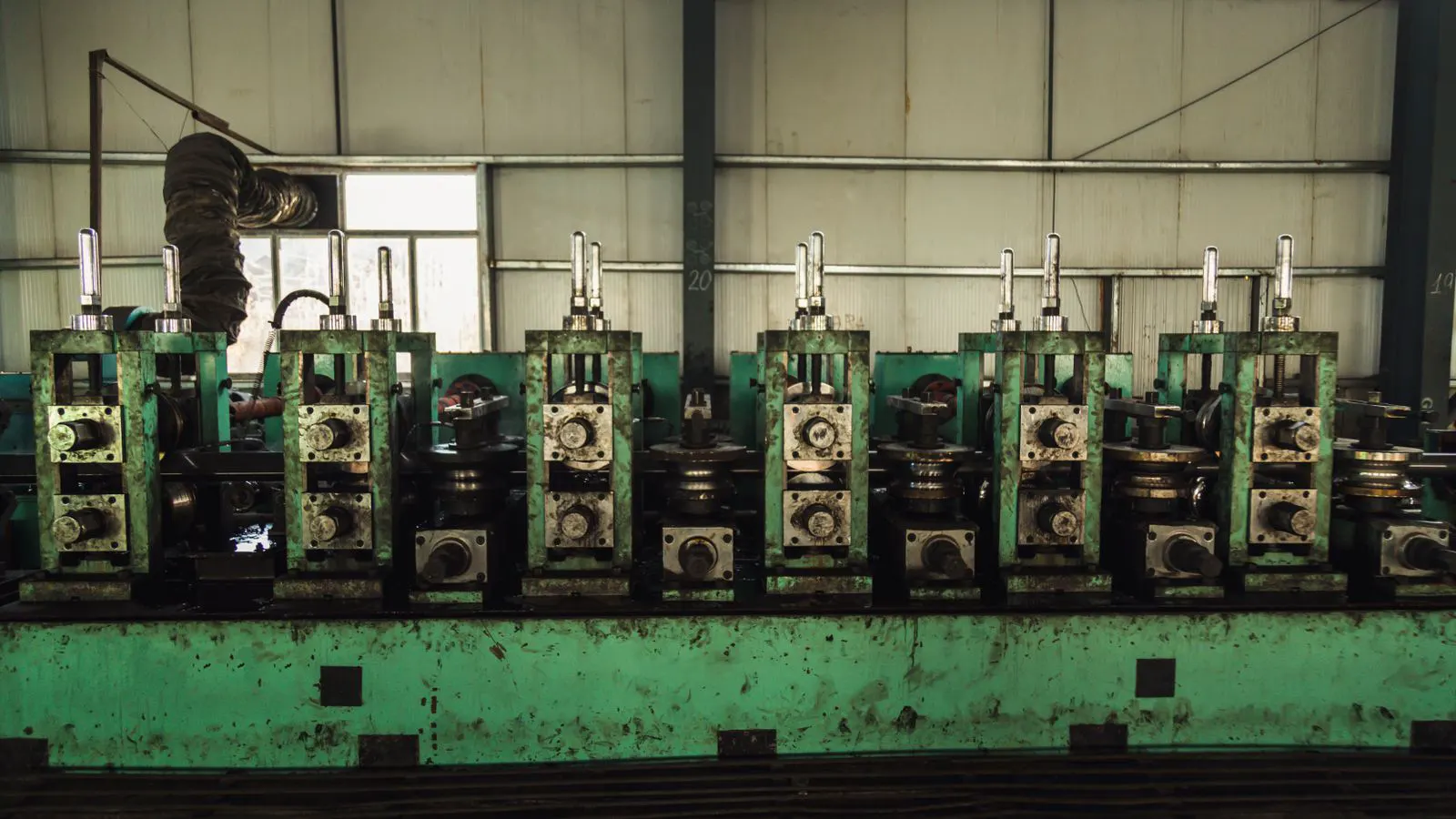
Inquire about their equipment. Heavy fabrics require industrial-grade sewing machines. Ask if they have the necessary pressers and needle types. For trims like zippers or buttons, ask if they have in-house sourcing or rely on external suppliers.
Request samples of previous work. If possible, ask to see a finished garment made with similar materials. This gives you a tangible reference. It also shows if they have the finishing skills to handle your design. A factory that only works with lightweight knits may struggle with structured tailoring.
5. How do you communicate during production?
Communication breaks down in many supply chain issues. Ask who your point of contact will be. Is it a production manager, a sales rep, or a dedicated project manager? You want a single point of contact for all updates.
Discuss the frequency of reports. Do they send weekly updates? Daily? Ask what format they use. Email, phone calls, or a portal? See if they can provide photos of the production floor. Visual updates build trust.
Language barriers can cause misunderstandings. Test their English proficiency during the interview. Ask them to describe their process in their own words. If they struggle, consider hiring a local agent or interpreter. Clear communication prevents costly errors and missed deadlines.
6. What are your payment terms and contract penalties?
Money matters. Ask for their standard payment terms. Common terms include a deposit and balance on shipment. See if they offer any discounts for early payment. Be cautious of factories that demand full prepayment.
Review the contract carefully. Look for clauses on late delivery. What happens if they miss the date? There should be a penalty or credit. Check the quality rejection policy. How many days do you have to reject defective goods?
Ask about their liability for errors. If the fabric is defective, who pays? If the design is misinterpreted, who covers the cost? These terms protect your investment. Do not sign a contract without legal review. Have a lawyer check for hidden liabilities.
Final Steps Before You Sign
Once you have answered the six questions, compare the responses. Look for consistency. If a factory claims high quality but has poor inspection records, there is a mismatch. Trust your gut. A good supplier will be transparent and cooperative.
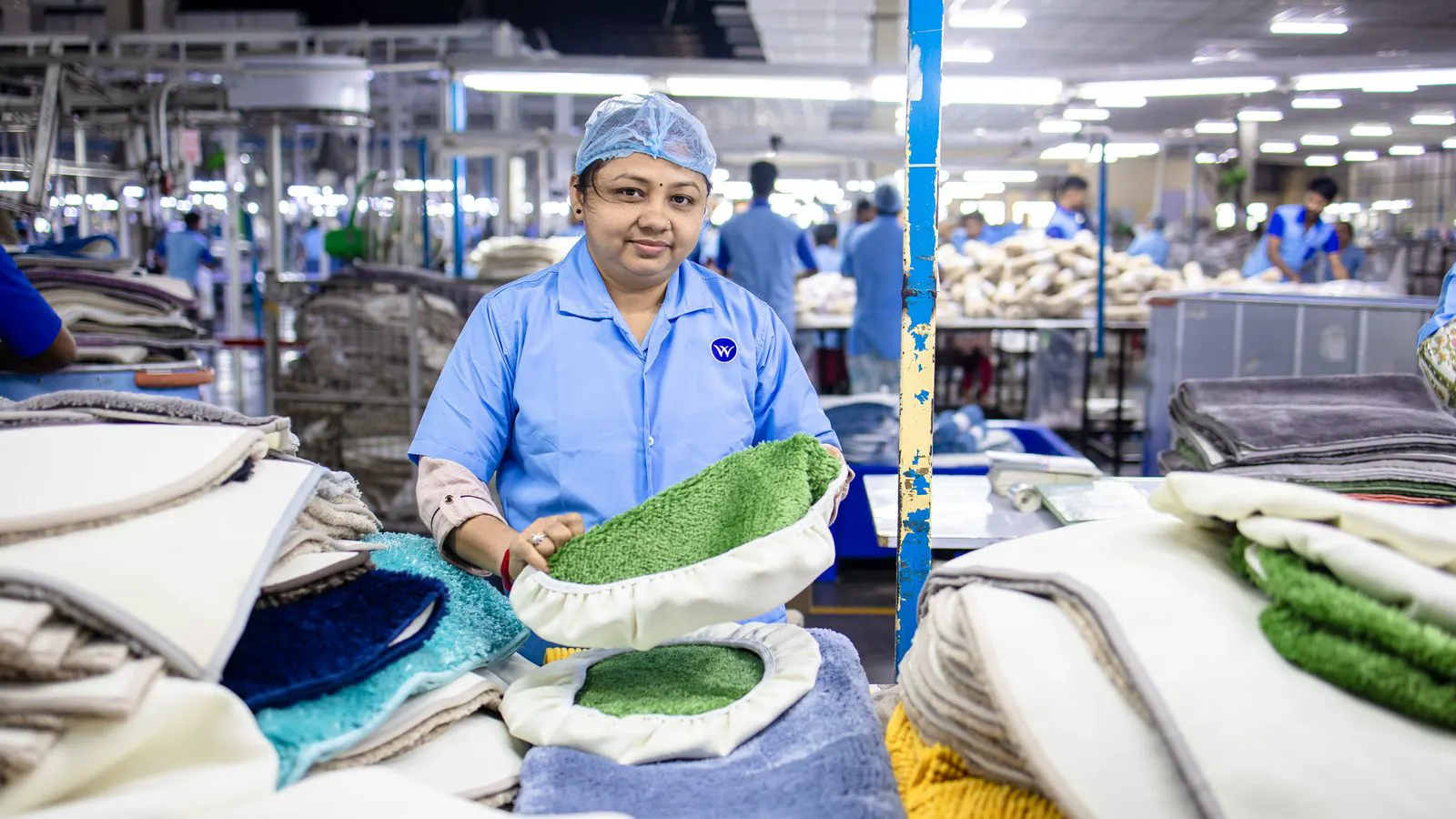
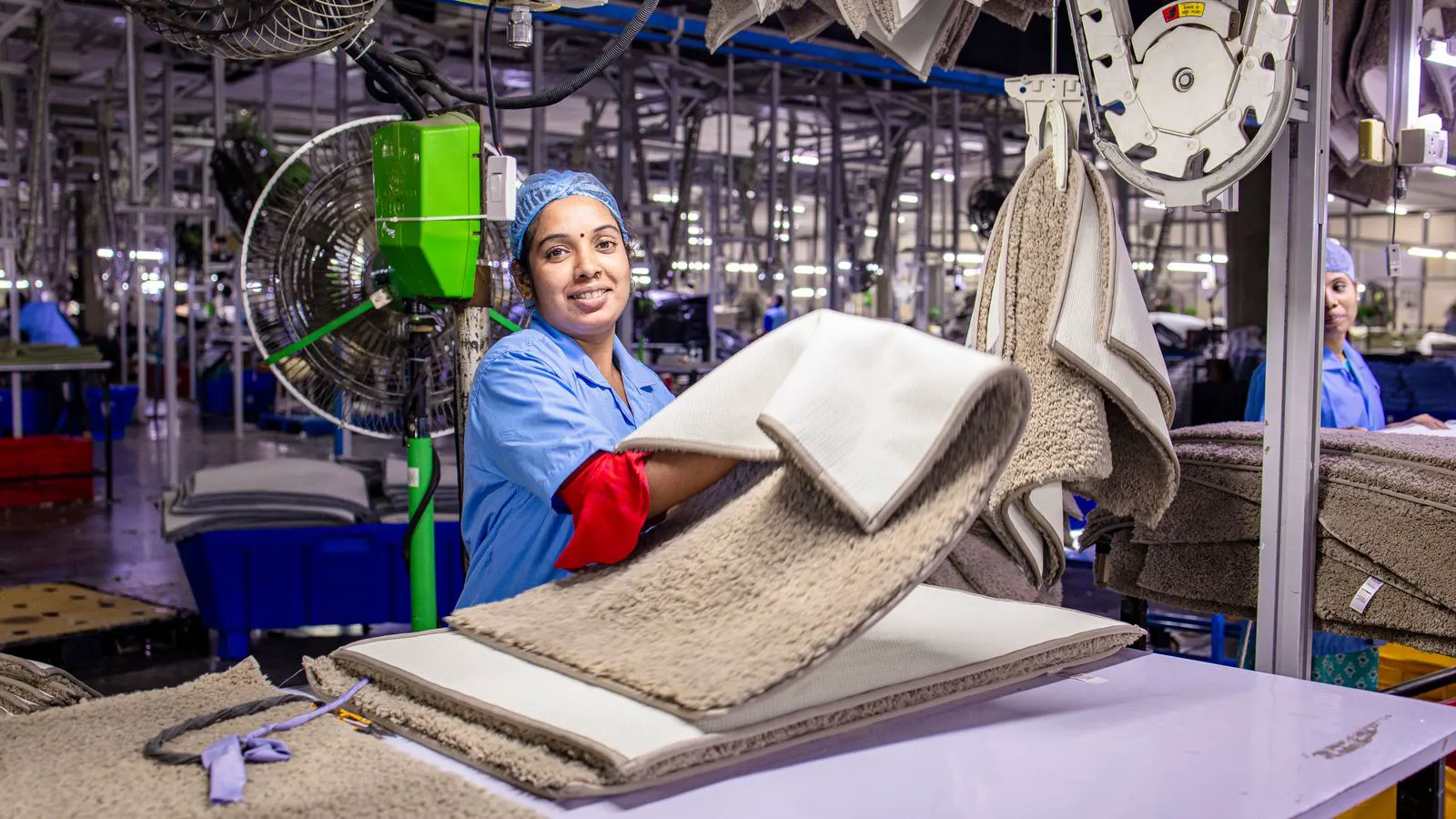
Visit the factory if possible. A factory interview at the site gives you a different perspective. See the floor, meet the workers, and inspect the machines. This visit often reveals issues that documents miss.
If you cannot travel, request a virtual tour. Ask for a live video call of the production floor. This is better than a pre-recorded video. It shows the current state of the facility.
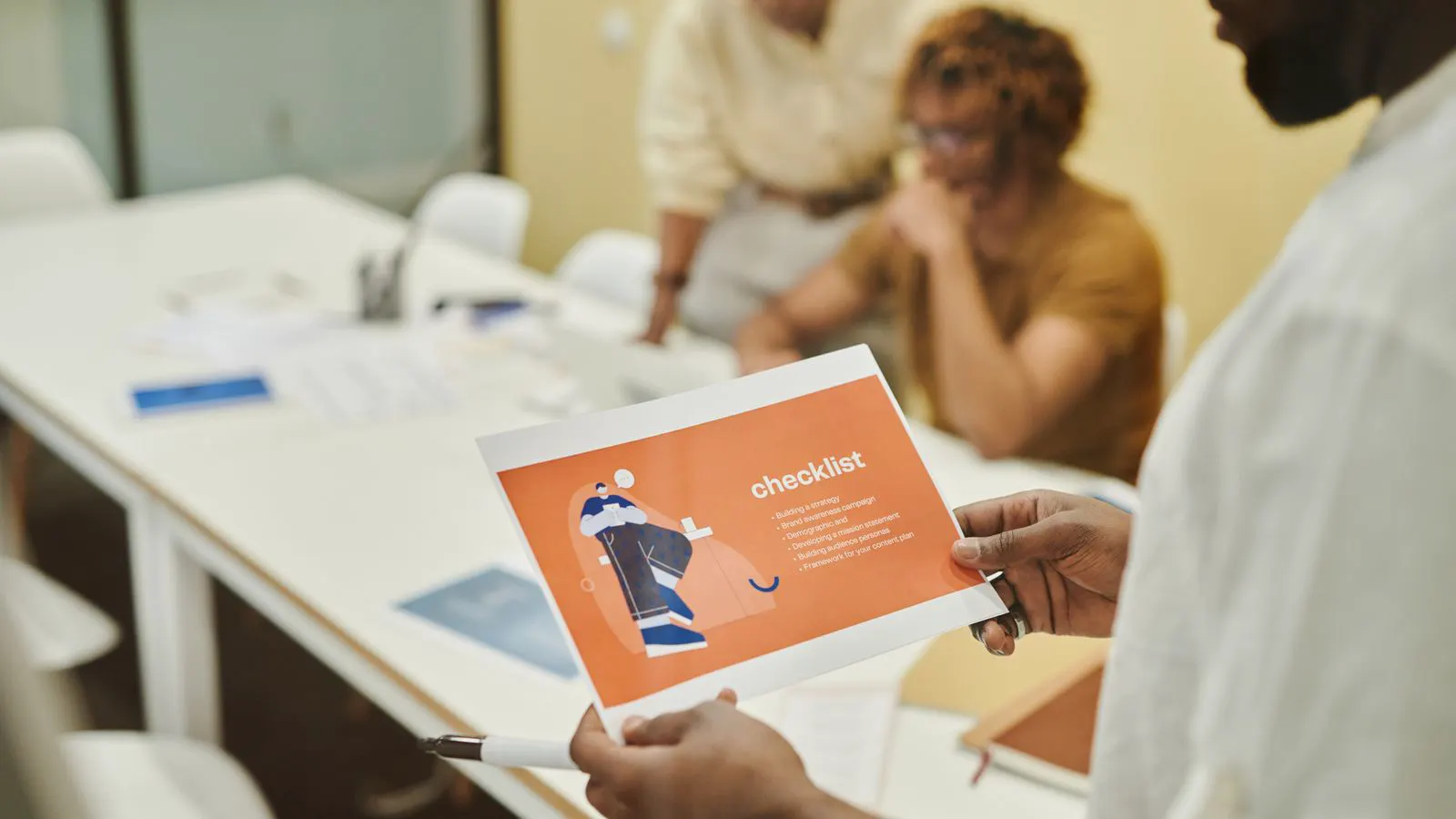
Use the checklist below to confirm your decision. Do not skip any step. Factory selection is a long-term commitment. Choose carefully to avoid future headaches.
- Compliance Check: Have you reviewed the latest audit reports and compliance certificates?
- Capacity Check: Can the factory handle your order volume without delaying other clients?
- Quality Check: Do they have a clear inspection process at every stage of production?
- Material Check: Do they have the equipment and experience for your specific fabrics?
- Communication Check: Is there a clear point of contact and reporting schedule?
- Contract Check: Have you reviewed the payment terms and penalty clauses with a lawyer?
Frequently asked questions
What is a factory interview?
A factory interview is a meeting where a buyer evaluates a potential garment manufacturer. It covers production capabilities, quality control, and business terms. It can be in-person or virtual.
Should I visit the factory before placing an order?
Yes, visiting the factory is highly recommended. It allows you to see the production environment and verify the information provided in documents. A virtual tour is a good alternative if travel is not possible.
How do I know if a factory is honest?
Look for transparency. They should share audit reports, sample reports, and production schedules. If they hide information or give vague answers, it is a warning sign.
What are the most common mistakes in factory selection?
Common mistakes include ignoring compliance, not checking capacity, and skipping the contract review. These errors lead to delays, quality issues, and legal disputes.
How long does the vetting process take?
The vetting process varies. It can take a few weeks to several months. It depends on the number of suppliers you interview and the depth of your checks.