Factory Selection Checklist: 12 Points to Verify First
This guide provides a practical 12-point checklist for evaluating potential apparel factories. It covers production capacity, compliance, financials, and logistics to help buyers identify risks early and select a reliable garment manufacturer for long-term partnerships.
- Verify production capacity against your seasonal peaks before signing any agreement.
- Check compliance records and safety standards to protect your brand reputation.
- Review financial health indicators to ensure the supplier can sustain the relationship.
- Test communication protocols and lead time reliability during the sample phase.
- Define clear quality control metrics before moving to bulk production.
Factory selection determines the stability of your supply chain. A poor choice causes delays, quality defects, and financial losses. A strong choice creates a partner who understands your standards and anticipates problems. This checklist provides a systematic approach to evaluating potential apparel factories before you commit to a long-term relationship.
Verify Production Capacity and Technical Capability
The first step is to confirm the factory can physically handle your volume. Ask for their monthly production capacity in units per day or per week. Compare this against your projected demand. If you need 50,000 units per month and the factory claims 30,000, they cannot fulfill your order without subcontracting. Subcontracting introduces quality risks and communication gaps.
Next, examine their technical capabilities. List the specific garments you intend to produce. Check if the factory has the machinery and skilled labor for those items. A factory specializing in knitted jerseys may not have the heavy-duty machinery needed for denim or technical fabrics. Request a list of their standard products and recent projects. Ask about their experience with similar fabrics and construction techniques. If they have not produced your specific item, ask about their willingness to learn and the estimated setup time.
Assess Quality Control Systems
Quality control is not a single step; it is a system. Ask how the factory inspects raw materials upon arrival. Do they check fabric weight, shade, and shrinkage? A reliable supplier inspects fabric before cutting to prevent costly rework. Ask about in-line inspections during the sewing process. Do they check stitching, alignment, and button placement after each operation?
Request their defect rate history. Ask for the percentage of rejected units in recent bulk orders. A healthy factory aims for low defect rates, but the specific numbers vary by product complexity. Ask how they handle defects found after shipment. Do they offer replacement or credit? Be wary of factories that blame the buyer for any quality issue without providing detailed inspection reports.
The final stage is pre-shipment inspection. Confirm who performs this check and when. Do they use a third-party inspector? Do they provide a full inspection report with photos and measurements? A transparent factory welcomes third-party audits and provides documentation without hesitation.
Review Compliance and Safety Standards
Compliance is a non-negotiable part of modern apparel manufacturing. Check if the factory holds any recognized certifications. These may cover labor practices, environmental standards, or workplace safety. Ask for copies of these certificates and the dates of the last audit. Verify the issuing body and the scope of the certification.
Inspect the workplace safety protocols. Ask about fire safety equipment, emergency exits, and training programs. Look for signs of a well-maintained facility. A clean, organized floor often indicates a management team that prioritizes safety and quality. Ask about worker welfare policies. Do they comply with local labor laws regarding working hours and minimum wages?
Environmental compliance is increasingly important for brands targeting specific markets. Ask about their waste management practices. Do they treat wastewater before discharge? Do they use sustainable materials or recycling processes? A factory with a clear environmental policy reduces your brand risk and appeals to conscious consumers.
Evaluate Financial Health and Pricing Structure
A stable supplier is a financially healthy supplier. Ask about their years in business and their payment terms. A factory asking for full prepayment may be financially unstable or a scam. Standard terms in the industry often involve a deposit and a balance upon shipment. Be wary of factories that resist standard payment structures.
Request a detailed cost breakdown. Do not accept a single lump sum price. Ask for the cost of fabric, trims, labor, overhead, and profit margin. Understanding the cost structure helps you identify where you can save money and where you cannot. For example, you may save on fabric by choosing a different supplier, but you cannot save on basic labor without compromising quality.
Ask about their currency risk policy. If your contract is in one currency and their costs are in another, how do they handle exchange rate fluctuations? A transparent factory will discuss this openly. They may offer a fixed price for a period or a formula for adjustment. This protects both parties from unexpected costs.
Check Logistics and Lead Time Reliability
Logistics is where many supply chains fail. Ask for their standard lead time from order confirmation to shipment. Break this down into stages: sampling, fabric procurement, production, and quality control. A factory claiming a two-week lead time for a complex garment is likely to miss the deadline. Be realistic about production times.
Verify their logistics partners. Ask if they have a designated freight forwarder or if you manage shipping. Do they have experience with your destination country? Ask about their customs documentation practices. Do they provide all necessary documents, such as commercial invoices, packing lists, and certificates of origin? A reliable factory handles customs paperwork correctly to prevent delays at the border.
Test their communication protocols. How often do they provide updates? Do they use a dedicated project manager? Ask about their response time to emails or messages. A factory that takes three days to reply to an email will struggle with urgent changes. A responsive factory is more likely to solve problems before they become critical.
| Factor | What to Verify | Red Flag |
|---|---|---|
| Capacity | Monthly unit output vs. your demand | Claiming capacity without proof |
| Quality | Inspection stages and defect rates | No inspection reports available |
| Compliance | Certificates and safety protocols | Vague answers on labor standards |
| Financials | Payment terms and cost breakdown | Demands full prepayment |
| Logistics | Lead time stages and customs docs | Unrealistic delivery promises |
| Communication | Response time and project management | Slow replies, no dedicated contact |
Review Past Performance and References
Ask for references from current or past clients. Contact at least three references. Ask them about the factory’s reliability, communication, and quality. Specific questions work best. Ask if the factory met the delivery date. Ask if the quality met the spec. Ask if they handled changes to the order well.
Check their online presence. Look for reviews on industry platforms or social media. Do they have a professional website with clear contact information? A factory with a poorly maintained website may lack the organizational skills needed for complex orders. Ask for case studies of similar projects. Do they have experience with your brand’s requirements?
Conduct a Physical Site Visit
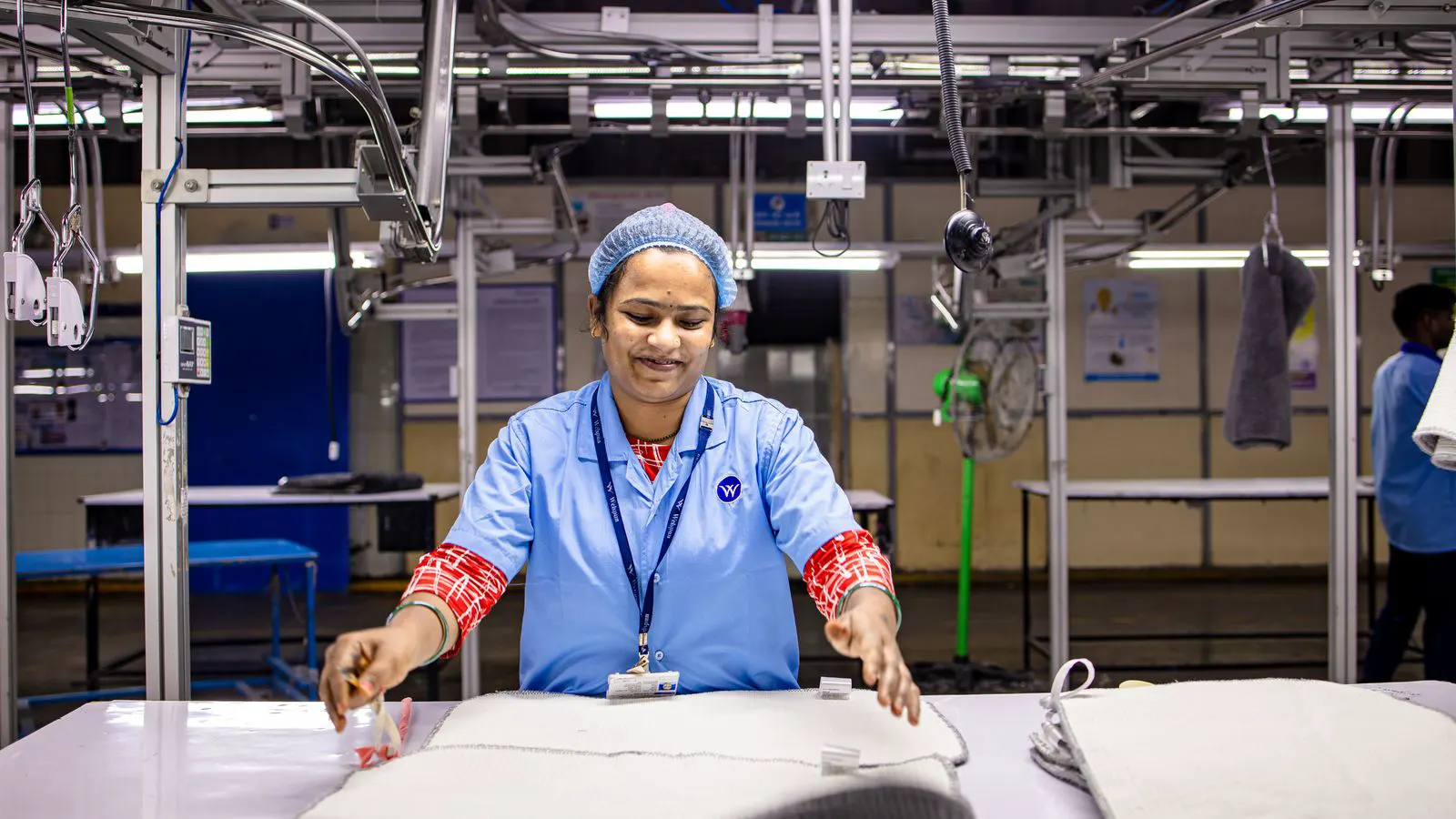
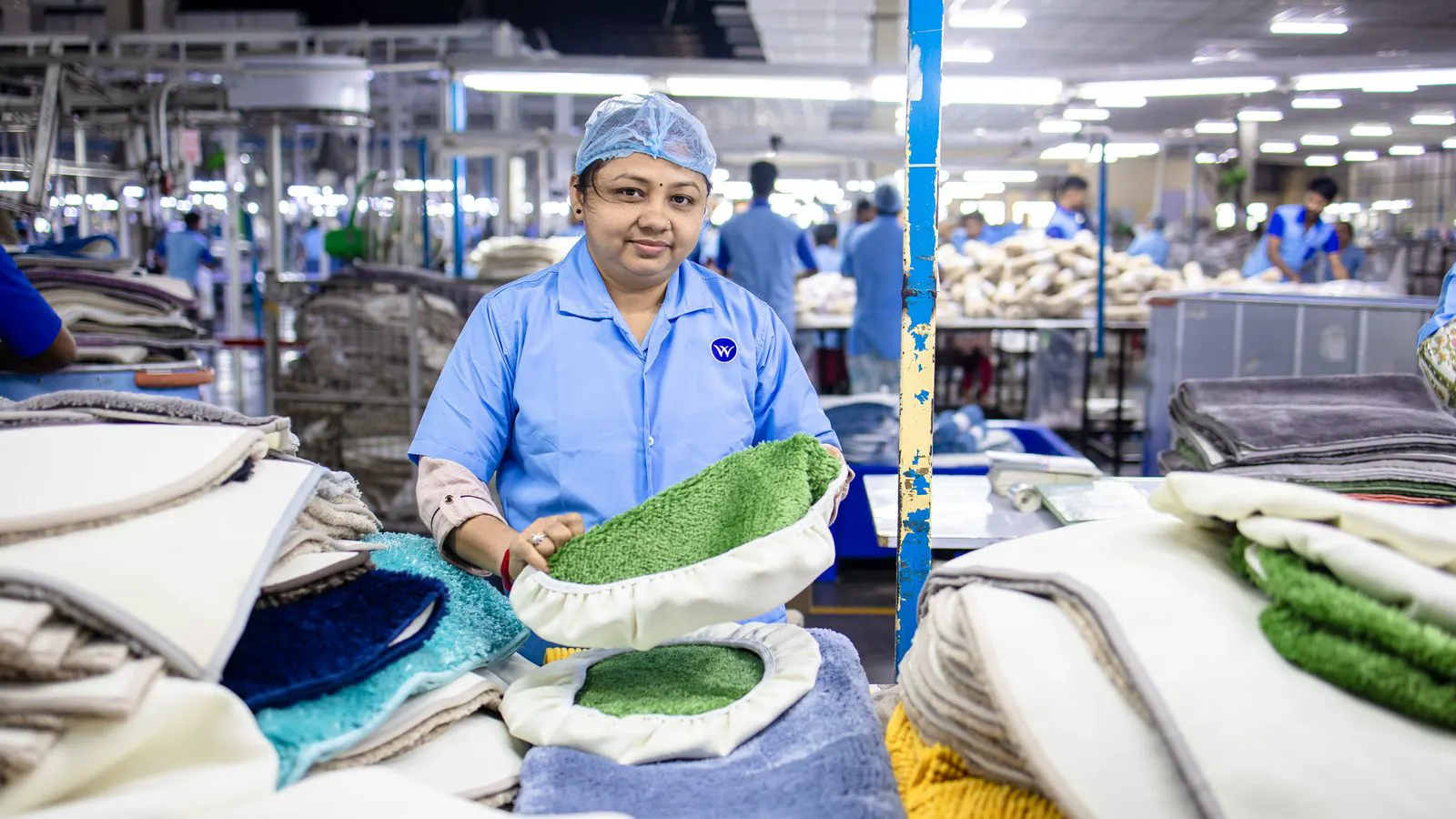
A remote evaluation has limits. A physical site visit provides the most accurate picture. Schedule a visit to the factory floor. Observe the layout and workflow. Are the stations organized? Is the floor clean? Do the machines look well-maintained? Watch the workers. Are they trained and attentive?
Meet the management team. Gauge their professionalism and attention to detail. Ask them about their biggest challenges and how they solve them. A good manager will speak honestly about weaknesses and have a plan to address them. Ask to see the quality control area. Check if they have the necessary measurement tools and reference samples.
Final Evaluation and Decision
Compile your findings from the checklist. Score each factor based on your priority. For example, if quality is your top concern, weight the quality control section more heavily. Compare the top two or three candidates. Look for red flags that cannot be resolved. A factory with serious compliance issues or financial instability is not worth the risk.
Once you select a factory, start with a small trial order. This tests the entire process from order to delivery. Use the trial order to verify the lead time, quality, and communication. If the trial goes well, proceed with a larger order. If issues arise, address them now while the stakes are lower. A successful trial order builds confidence and sets the tone for a long-term partnership.
Factory selection is a strategic decision. Take the time to verify each point carefully. The initial effort pays off in reduced risk and higher quality products. Use this checklist as a baseline. Adapt it to your specific market and product requirements. A disciplined approach to selection separates successful buyers from those who suffer from supply chain failures.
Frequently asked questions
How long should a factory selection process take?
A thorough selection process typically takes two to four weeks. This allows time for document review, reference checks, and potentially a site visit. Rushing the process increases the risk of selecting an unreliable supplier.
Do I need to visit the factory in person?
A physical visit is highly recommended for your first major supplier. It provides direct insight into the factory's condition and management style. If travel is not possible, request a live video tour and detailed documentation.
What is the typical payment structure for new suppliers?
Standard terms usually involve a deposit, often 30 to 50 percent, with the balance due before or upon shipment. Full prepayment is a common sign of financial instability or a scam.
How do I verify a factory’s production capacity?
Request detailed production records and machine lists. Compare their claimed capacity against their actual recent output. Ask for references from clients with similar volumes to validate their claims.
What are the biggest red flags during factory selection?
Vague answers to compliance questions, refusal to provide references, and unrealistic lead times are major red flags. A factory that resists transparency or third-party audits should be avoided.