Estimating Factory Overhead: 5 Key Cost Factors
Factory overhead includes rent, utilities, management salaries, and equipment depreciation. These hidden costs sit above direct labor and materials. Estimating them correctly prevents underpricing and margin erosion. A clear breakdown helps buyers compare quotes fairly.
- Factory overhead includes rent, utilities, salaries, and equipment costs.
- Direct labor and materials are only part of the final unit cost.
- A realistic quote must account for overhead recovery.
- Comparing quotes requires aligning overhead structures.
- Clear RFQs reduce pricing errors and negotiation friction.
What Is Factory Overhead in Apparel Production
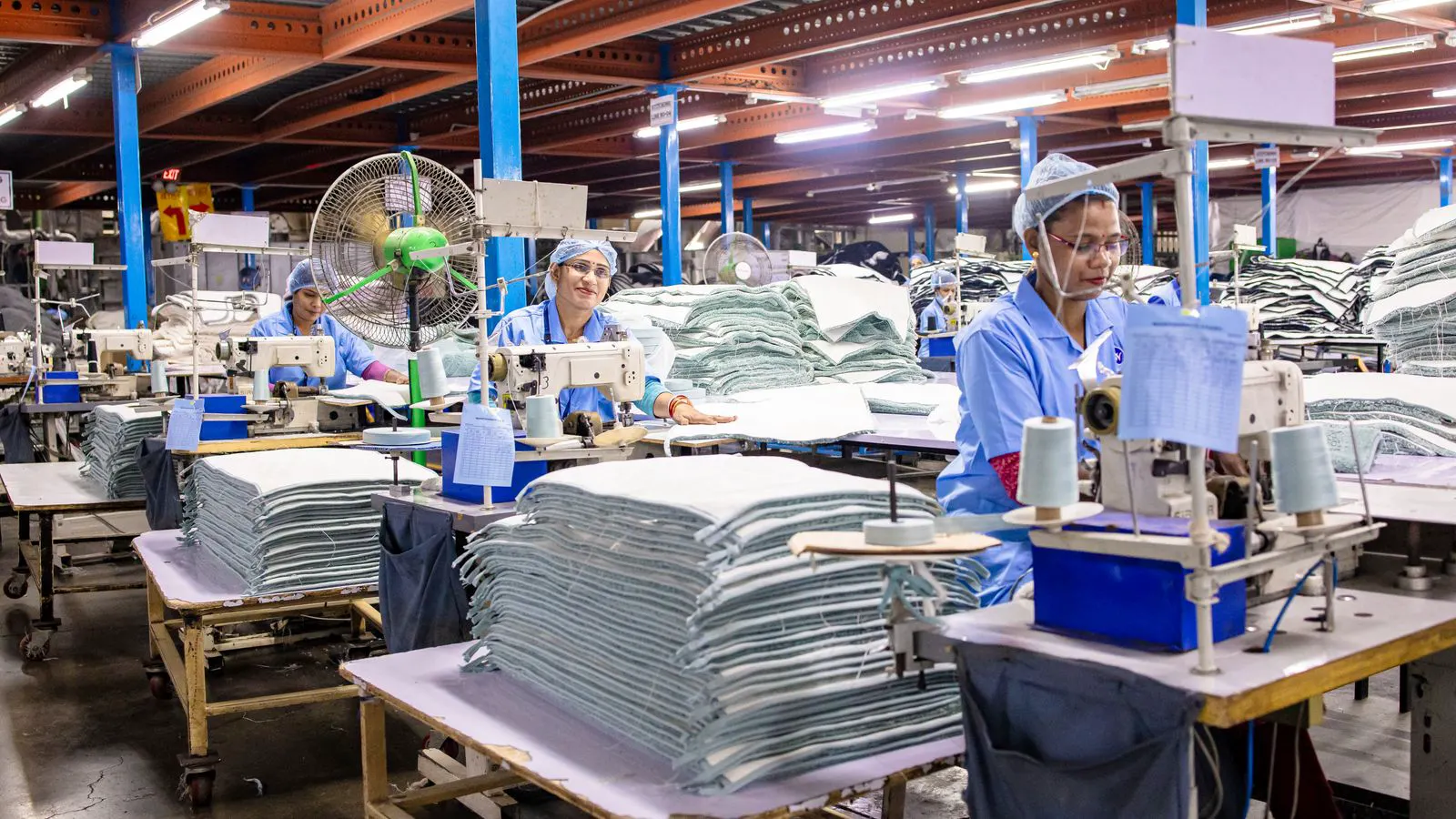
Factory overhead covers all costs a factory incurs that do not attach to a single garment. It is the gap between raw materials and finished goods that does not show up on a simple cut-and-sew cost sheet. Rent for the factory floor, electricity for the sewing machines, insurance, management salaries, and equipment depreciation all sit in this category.
When buyers request a quote, they often focus on fabric, trims, and labor rates. This approach misses a large portion of the price. A factory cannot operate on direct costs alone. If the quote ignores overhead, the price will not cover the actual cost of production.
A realistic factory price includes direct labor, direct materials, and overhead. Without overhead, the quote is incomplete. The factory may still accept the price, but margins shrink or costs get passed to the buyer later.
Why Overhead Drives Apparel Pricing
Apparel pricing reflects the full cost of producing a unit. Direct costs are easy to measure. Fabric per meter, thread per spool, and labor hours per minute are tangible. Overhead is different. It spreads across the entire production run.
A small factory with a high rent-to-production ratio will have a different overhead structure than a large plant with efficient power management. A factory located in a high-cost region may charge more per unit, even with the same labor rate. These differences show up in the final price.
Manufacturing costs are not just about making the garment. They include keeping the factory running between orders. Overhead recovery ensures the factory can maintain quality, meet deadlines, and invest in equipment. If overhead is underpriced, production quality often drops. Machines break more often. Staffing becomes harder. Delivery times slip.
Five Key Factors in Factory Overhead
-
Rent and Facility Costs. The factory building, warehouses, and office spaces consume a fixed share of costs. A factory in a dense urban area pays more per square meter than one in an industrial zone. This cost spreads across all units produced in a period. If volume drops, the overhead per unit rises.
-
Utilities and Power. Sewing machines, ironing tables, and lighting consume power. Steam for pressing and water for washing add to utility bills. Energy prices fluctuate. A factory with older equipment may use more power per unit than one with modern, efficient machines. This affects the cost per garment.
-
Management and Administrative Salaries. Factory managers, quality control supervisors, production planners, and accounting staff are paid monthly. Their salaries do not change with order volume. A factory running two shifts may need more supervisors than a single-shift operation. This labor cost is overhead, not direct production labor.
-
Equipment and Maintenance. Sewing machines, cutting tables, and inspection tools require maintenance and replacement. Depreciation is the accounting term for this cost. A factory that replaces machines every three years has a higher equipment cost than one that uses older, reliable units. Maintenance downtime also slows production, increasing labor cost per unit.
-
Insurance and Compliance Costs. Factory insurance, fire protection, and environmental compliance add fixed or semi-fixed costs. Some regions require specific safety equipment or waste treatment systems. These costs vary by location and regulations. They must be included in the price to keep the factory operational.
How to Calculate a Realistic Factory Price
A factory price should be built from three layers: direct materials, direct labor, and overhead. Direct materials include fabric, thread, zippers, buttons, and labels. Direct labor is the time spent cutting, sewing, and finishing. Overhead is the rest.
To estimate overhead, start with a monthly production report. Add rent, utilities, salaries, maintenance, and insurance. Divide that total by the number of units produced in the month. This gives a per-unit overhead figure. Multiply by the number of units in the order. Add direct costs. The result is a full cost estimate.
Factories often use a markup method instead. They add a fixed percentage to direct costs to cover overhead and profit. This is simpler but less transparent. A buyer who asks for the breakdown gets a clearer picture. A quote that says “5% overhead” without details hides the actual cost structure.
How to Compare Quotes Fairly
Two factories may quote different prices for the same garment. One may have a lower labor rate but higher rent. Another may have lower rent but older equipment that produces slower. Comparing unit prices alone is misleading.
Ask for a cost breakdown. Request line items for fabric, labor, overhead, and profit. If the factory cannot provide a breakdown, it is a warning sign. A transparent factory will share its cost structure. A factory that only gives a total price may be hiding inefficiencies or charging for unknown reasons.
Also compare production capacity and lead time. A factory with low overhead may have limited capacity. If the order is large, they may need to subcontract or delay production. Lead time affects cash flow. A longer lead time can increase the cost of capital.
Use a table to align the quotes. This makes differences visible.
| Cost Factor | Factory A | Factory B | Factory C |
|---|---|---|---|
| Rent per unit | Low | Medium | High |
| Labor rate | Low | Medium | Low |
| Equipment condition | Older | Newer | Mixed |
| Overhead per unit | Low | Medium | High |
| Total unit price | Low | Medium | High |
This table does not show the final decision. It highlights where the differences come from. Factory A may be cheap because it uses older machines that slow production. Factory C may be expensive because it pays higher rent but offers faster delivery.
How to Write a Clear RFQ for Accurate Pricing
A Request for Quotation should specify the garment, materials, and quantity. It should also state the expected production period. If the order is for 10,000 units over three months, say so. If it is a one-time order, clarify that.
Include the fabric specification, trim list, and production standard. State whether the buyer provides fabrics or the factory sources them. If the factory sources materials, ask for material markup. If the buyer provides materials, ask how the factory handles storage and damage.
Request a cost breakdown in the quote. Ask for direct labor, direct materials, overhead, and profit. If the factory uses a markup method, ask for the percentage and what it covers. This reduces ambiguity. It also makes it easier to compare quotes across multiple factories.
Avoid asking for a “best price” without context. A factory may lower the price by cutting corners. It may use lower-quality thread or skip a quality check. A clear RFQ protects the buyer from low-price traps.
Common Mistakes in Overhead Estimation
The most common mistake is ignoring non-labor overhead. Buyers focus on sewing wages and forget that the factory needs to pay for electricity, rent, and management. The quote looks low on paper. The factory cannot deliver without losing money.
Another mistake is assuming a fixed overhead per unit. Overhead is fixed in total but variable per unit. If the order volume is small, the per-unit overhead is higher. A factory producing 500 units will have a higher overhead per unit than one producing 5,000. The quote must reflect the actual volume.
A third mistake is not updating overhead regularly. Rent increases. Energy prices change. Salaries rise. A factory that built its pricing model two years ago may have outdated numbers. Ask the factory to review its cost structure before finalizing the price.
How Overhead Affects Long-Term Supplier Relationships
A factory that underprices to win an order may struggle to maintain quality. It may skip maintenance, hire underpaid workers, or delay payments to suppliers. This creates risk for the buyer. The garment may arrive late or fail quality checks.
A factory that prices correctly can invest in better equipment and training. It can maintain a stable workforce. It can meet deadlines consistently. The buyer gains reliability. The relationship becomes a partnership, not a transaction.
When negotiating, focus on value, not just price. A slightly higher price from a factory with transparent overhead and stable production is often safer than a low price from a factory that hides costs. The total cost of ownership includes quality, delivery, and risk.
Practical Steps for Buyers
Start by asking the factory for a standard cost sheet. If they do not have one, request a breakdown of their last production run. Use their numbers to build your own estimate. Compare your estimate to their quote.
Ask about their overhead recovery method. Do they use a fixed percentage? Do they calculate it per unit? Do they include all overhead items? If the answer is vague, ask for details.
Include overhead in your price negotiation. Do not just ask for a discount on labor. Ask how they can reduce overhead. They may suggest a longer production run, a more efficient cut layout, or a consolidated shipment. These changes lower the per-unit cost.
Keep records of all quotes and cost breakdowns. Use them to benchmark future orders. If overhead rises, you need to know when and by how much. This data helps you plan budgets and manage supplier relationships.
Final Thoughts
Factory overhead is not a mystery. It is a collection of real costs that support production. Rent, utilities, salaries, equipment, and insurance are all part of the equation. When buyers estimate factory overhead correctly, they get a realistic price. They can compare quotes fairly. They can plan budgets with confidence.
A clear RFQ and a detailed cost breakdown are the tools for this process. They turn a vague number into a structured estimate. They help buyers make informed decisions. They protect the buyer from hidden costs and the factory from unsustainable margins.
The result is a more stable supply chain. The factory can operate profitably. The buyer can pay a fair price. Both sides win.
Frequently asked questions
What is the difference between direct labor and factory overhead?
Direct labor is the time workers spend cutting and sewing garments. Factory overhead includes rent, utilities, management salaries, and equipment costs. Direct labor attaches to specific units. Overhead spreads across all production.
How do I get a factory to share its overhead structure?
Ask for a cost breakdown in your RFQ. Request line items for materials, labor, overhead, and profit. A transparent factory will provide this. If they refuse, it is a sign to look for another supplier.
Does a lower overhead per unit always mean a lower factory price?
No. A low overhead per unit may come from high volume. A small factory with low total overhead may have a higher per-unit cost. Compare total unit price, not just overhead.
How often should I update my overhead estimate?
Review it at least annually or when major costs change. Rent, energy prices, and labor rates shift. An outdated estimate leads to pricing errors. Update it before every major order.
Can I reduce factory overhead by changing the order?
Yes. Increasing order volume, simplifying the garment design, or consolidating shipments can lower overhead per unit. Discuss these options with the factory during the RFQ stage.